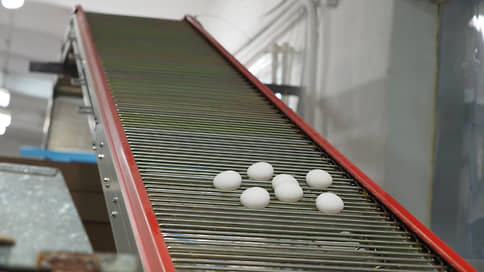
- The Volzhanin poultry farm, a major player occupying 20% of the chicken egg market in Russia's Central Federal District, has temporarily suspended all shipments of its products.
- This decision comes amid suspicions of a highly pathogenic bird flu outbreak affecting its operations.Quarantine protocols and efforts to restore the bird population are expected to require approximately six months, during which the farm will face substantial additional expenses.
- These costs are particularly burdensome given the recent sharp decline in industry profitability, potentially straining the business further and influencing regional egg supply dynamics.This suspension highlights ongoing vulnerabilities in poultry production to disease outbreaks, underscoring the need for robust biosecurity measures in the sector.
- As the farm navigates these challenges, stakeholders in the Central Federal District may experience disruptions in egg availability, prompting closer monitoring of market impacts.
Quick Summary
The Volzhanin poultry farm, a major player occupying 20% of the chicken egg market in Russia's Central Federal District, has temporarily suspended all shipments of its products. This decision comes amid suspicions of a highly pathogenic bird flu outbreak affecting its operations.
Quarantine protocols and efforts to restore the bird population are expected to require approximately six months, during which the farm will face substantial additional expenses. These costs are particularly burdensome given the recent sharp decline in industry profitability, potentially straining the business further and influencing regional egg supply dynamics.
This suspension highlights ongoing vulnerabilities in poultry production to disease outbreaks, underscoring the need for robust biosecurity measures in the sector. As the farm navigates these challenges, stakeholders in the Central Federal District may experience disruptions in egg availability, prompting closer monitoring of market impacts.
Background on Volzhanin Poultry Farm
The Volzhanin poultry farm stands as a key contributor to the egg production landscape in Russia's Central Federal District. This region encompasses several major economic hubs, and Volzhanin commands a significant 20% share of the local chicken egg market, making it an essential supplier for consumers and businesses alike.
Established as a prominent producer, Volzhanin has long been integral to maintaining steady egg supplies across the district. Its operations involve large-scale poultry rearing, focusing on high-volume output to meet regional demands. The farm's role extends beyond mere production, influencing pricing and availability in a competitive sector.
However, like many in the poultry industry, Volzhanin operates within a framework susceptible to biological risks. These include diseases that can rapidly affect bird populations, leading to operational disruptions. The farm's market position amplifies the ripple effects of any interruptions in its activities.
The Suspension of Shipments
In a abrupt move, Volzhanin has halted all product shipments, ceasing deliveries of chicken eggs to distributors and retailers in the Central Federal District. This suspension affects a substantial portion of the regional supply chain, given the farm's dominant market presence.
The primary trigger for this action appears to be a potential outbreak of highly pathogenic bird flu, a severe strain known to devastate poultry flocks. Such events necessitate immediate isolation to prevent wider spread, aligning with standard protocols in the industry.
Immediate Operational Adjustments
Upon detection of symptoms or confirmation of the disease, farms like Volzhanin must implement strict containment measures. This includes restricting movement of birds, eggs, and personnel to safeguard surrounding areas. The halt in shipments ensures compliance with these biosecurity requirements, prioritizing public health over short-term commercial activities.
While the exact scope of the outbreak remains under assessment, the decision underscores the farm's commitment to regulatory standards. Stakeholders are advised to seek alternative sources during this period to mitigate supply gaps.
Recovery Timeline and Quarantine Measures
Addressing the aftermath of a bird flu outbreak involves a multi-phase process for Volzhanin. Initial quarantine measures aim to contain the disease, followed by comprehensive cleaning and disinfection of facilities to eliminate any lingering threats.
Restoring the poultry population is a critical next step, requiring the acquisition of healthy birds and gradual repopulation under veterinary supervision. Industry estimates suggest this entire recovery effort will span about six months, allowing time for biosecurity enhancements and monitoring to prevent recurrence.
- Quarantine implementation: Isolating affected areas and halting all external interactions.
- Facility sanitation: Thorough cleaning to remove pathogens.
- Flock rebuilding: Sourcing and integrating new birds safely.
- Ongoing surveillance: Regular health checks to ensure stability.
These steps, while essential, extend the downtime significantly, testing the farm's resilience in a time-sensitive market.
Economic Impacts and Profitability Challenges
The financial strain on Volzhanin is compounded by the need for additional expenditures during recovery. Costs associated with quarantine, veterinary services, and flock restoration add to operational overheads at a precarious moment for the poultry sector.
Recent trends show a sharp drop in profitability across egg production, driven by fluctuating feed prices, labor issues, and market saturation. For a farm like Volzhanin, which relies on consistent output, this suspension exacerbates existing pressures, potentially leading to reduced margins upon resumption.
Broader Market Ramifications
In the Central Federal District, the halt could contribute to temporary shortages, influencing wholesale and retail prices. Smaller producers may struggle to fill the 20% market gap, highlighting the interconnected nature of regional agriculture.
Businesses in this environment must navigate these costs strategically, possibly through cost-cutting or diversification, to emerge stronger post-recovery.
Conclusion
The suspension of shipments by Volzhanin poultry farm due to a suspected highly pathogenic bird flu outbreak serves as a stark reminder of the fragility in poultry production. With recovery projected at six months amid declining profitability, the incident poses challenges not just for the farm but for the entire Central Federal District egg market.
Moving forward, enhanced preventive strategies could mitigate future risks, ensuring more stable supplies for consumers. Mercy News will continue tracking developments as Volzhanin works toward full operational restoration, emphasizing the importance of vigilance in agricultural health.
This event underscores the need for industry-wide preparedness, balancing economic viability with public safety in an ever-evolving sector.
Frequently Asked Questions
Why has Volzhanin suspended egg shipments?
The suspension is likely due to a suspected outbreak of highly pathogenic bird flu, prompting quarantine measures to contain the disease.
How long will it take for Volzhanin to recover?
Recovery, including quarantine and flock restoration, is projected to require approximately six months.
What market share does Volzhanin hold?
Volzhanin occupies 20% of the chicken egg market in Russia's Central Federal District.