Key Facts
- ✓ Human rights monitors have identified a significant escalation in measures targeting Christian communities across China, representing what they describe as a critical new phase in religious restrictions.
- ✓ The current situation may represent a new stage in religious restrictions that began intensifying in 2017 under the leadership of Xi Jinping, according to analysis from human rights organizations.
- ✓ International human rights organizations have documented a pattern of increasing control over religious activities and expressions that extends beyond previous measures implemented in 2017.
- ✓ Monitoring groups have identified increased coordination across different regions, expanded scope of activities affected, and greater intensity of enforcement measures in recent developments.
A New Chapter in Religious Restrictions
Recent developments indicate a significant escalation in measures targeting Christian communities across China, according to human rights monitoring. The situation represents what observers describe as a critical new phase in religious restrictions that began several years ago.
International attention has intensified as reports emerge of coordinated actions against various Christian groups. These developments suggest a systematic approach to controlling religious expression that extends beyond previous measures.
The pattern of restrictions has evolved significantly since 2017, with current actions potentially marking a distinct escalation. Human rights organizations are documenting these changes with growing concern.
Expert Analysis and Context
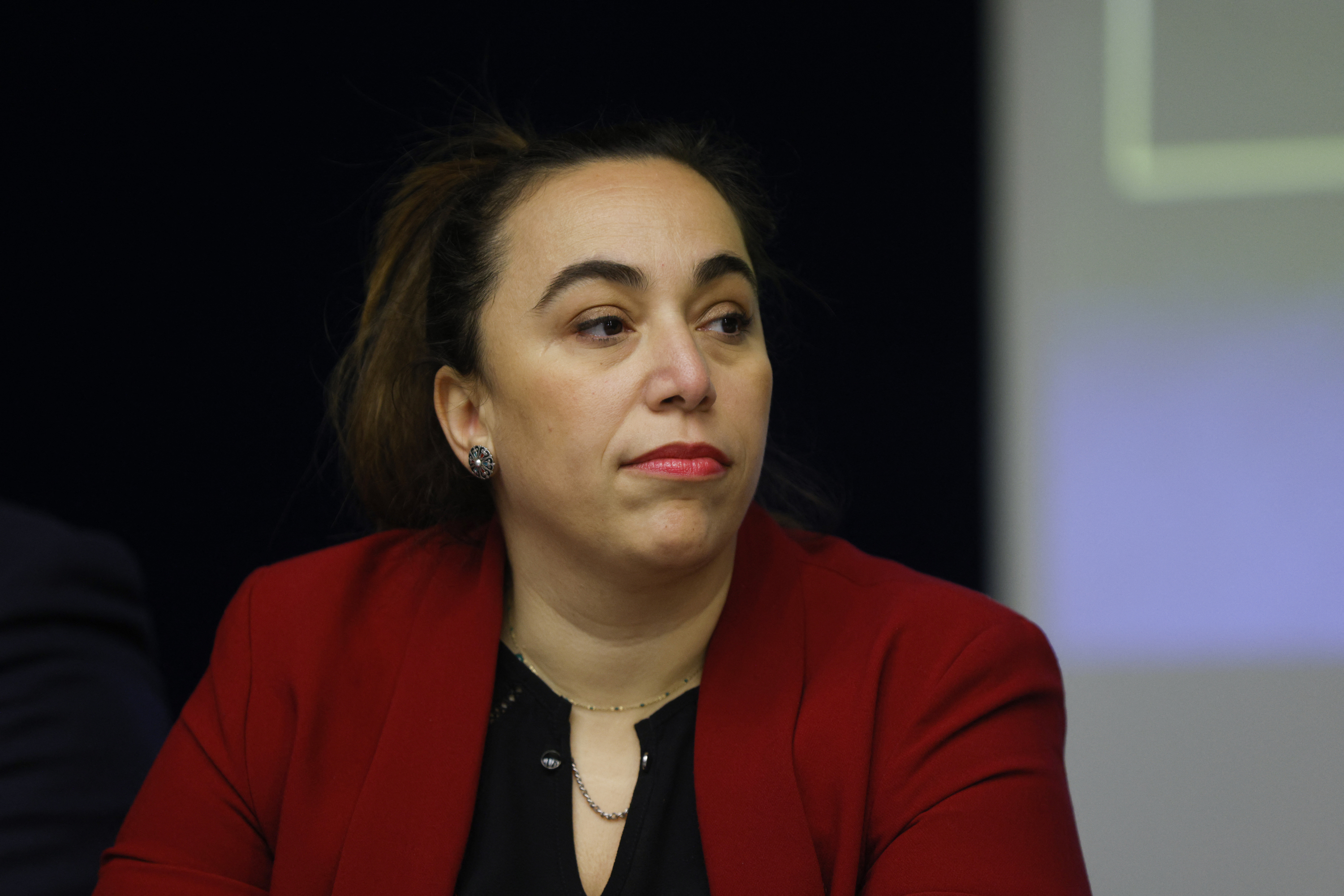
Guillaume Guennec, co-director of an international human rights organization, has provided analysis on the current situation. In a detailed interview, he outlined how recent actions against Christian communities may constitute a new stage in religious restrictions.
The restrictions reportedly began intensifying in 2017 under the leadership of Xi Jinping. Since that time, monitoring organizations have documented a pattern of increasing control over religious activities and expressions.
According to the analysis, the current measures represent a potential escalation beyond the framework established in 2017. This suggests authorities may be implementing more comprehensive approaches to religious governance.
It could represent a new stage in the silencing of churches, launched in 2017.
The monitoring organization has tracked these developments through various channels and reports. Their analysis indicates the situation continues to evolve with increasing complexity.
"It could represent a new stage in the silencing of churches, launched in 2017."
— Guillaume Guennec, Co-director, International Human Rights Organization
International Monitoring and Response
International human rights organizations have been documenting these developments through their monitoring networks. The UN and various non-governmental organizations have expressed concern about the pattern of restrictions.
Monitoring groups have identified several key characteristics of the current situation:
- Increased coordination across different regions
- Expanded scope of activities affected
- Greater intensity of enforcement measures
- Systematic documentation and tracking
The NGO Portes ouvertes has been particularly active in documenting these developments. Their analysis provides important context for understanding the scope and nature of the restrictions.
International observers continue to monitor the situation closely. The evolving nature of these measures requires ongoing assessment and documentation.
Broader Implications
The developments in China have significant implications for religious freedom globally. The pattern of restrictions represents a case study in how governments approach religious expression and community organization.
Human rights advocates emphasize the importance of documenting these developments accurately. Comprehensive documentation helps inform international responses and policy considerations.
The situation also highlights the challenges faced by religious communities in various contexts. Understanding these dynamics contributes to broader discussions about freedom of belief and association.
International organizations continue to develop strategies for responding to these developments. The evolving nature of the situation requires adaptive approaches to monitoring and advocacy.
Looking Ahead
The situation remains dynamic, with monitoring organizations continuing to track developments. The pattern of restrictions suggests authorities may be implementing increasingly comprehensive approaches to religious governance.
International observers emphasize the importance of continued monitoring and documentation. Accurate information about these developments helps inform appropriate responses from various stakeholders.
The evolution of these measures will likely continue to attract international attention. The balance between religious freedom and state governance remains a complex issue with significant implications.
Future developments will be closely watched by human rights organizations and international bodies. The situation represents an important case in contemporary discussions about religious freedom and state policy.
Key Takeaways
The current situation represents a significant development in religious governance in China. The pattern of restrictions has evolved considerably since 2017, with recent actions potentially marking a new phase.
International monitoring organizations continue to document these developments through their networks. Their analysis provides important insights into the scope and nature of the restrictions.
The situation highlights the complex relationship between religious communities and state authorities. Understanding these dynamics contributes to broader discussions about freedom of belief and association globally.
Continued monitoring and documentation remain essential for understanding these developments. The evolving nature of the situation requires ongoing attention from various stakeholders.