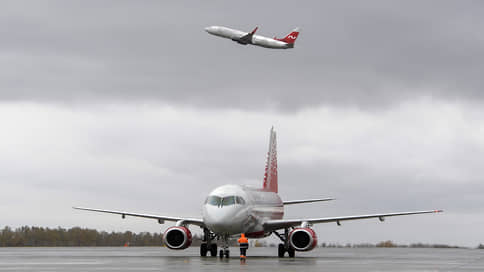
- The growth in air ticket prices throughout 2025 has moderated to levels comparable to inflation, marking a shift from previous years' rapid increases.
- Notably, on international routes, the average check at certain booking services has even decreased, offering relief to travelers.
- This trend stems from intensified competition with foreign airlines and the lingering impact of accumulated inflation from prior periods.Analysts attribute these dynamics to a more competitive landscape where foreign carriers are gaining ground.
- For 2026, assuming steady demand, experts foresee foreign airlines continuing to siphon traffic from Russian operators.
Quick Summary
The growth in air ticket prices throughout 2025 has moderated to levels comparable to inflation, marking a shift from previous years' rapid increases. Notably, on international routes, the average check at certain booking services has even decreased, offering relief to travelers. This trend stems from intensified competition with foreign airlines and the lingering impact of accumulated inflation from prior periods.
Analysts attribute these dynamics to a more competitive landscape where foreign carriers are gaining ground. For 2026, assuming steady demand, experts foresee foreign airlines continuing to siphon traffic from Russian operators. In response, domestic airlines are expected to maintain price discipline to retain market share, potentially benefiting consumers with stable or lower fares.
This development signals a maturing aviation market, balancing economic pressures with competitive forces. Travelers may enjoy more predictable pricing, especially for overseas trips, as the industry adjusts to these influences.
Trends in 2025 Airfare Pricing
Throughout 2025, the aviation sector has witnessed a notable deceleration in air ticket price escalation. This slowdown has brought annual growth rates in line with broader economic inflation, providing a more stable environment for passengers planning domestic and international journeys.
Particularly encouraging for frequent flyers, the average expenditure on international routes has dipped at select booking platforms. This reduction reflects broader market adjustments rather than isolated promotions, indicating a structural shift in pricing strategies.
Domestic vs. International Variations
On domestic flights, prices have risen modestly, mirroring inflation without the sharp spikes seen in earlier years. In contrast, overseas travel has benefited from more pronounced downward pressure on costs.
- Alignment with inflation on key routes
- Declines in average checks for foreign destinations
- Overall moderation in year-end pricing trends
Factors Driving Price Moderation
Several interconnected elements have contributed to the tempered growth in airfare costs during 2025. At the forefront is the role of accumulated inflation from previous years, which has now begun to normalize within the sector.
Additionally, the influx of competitive pressures has played a pivotal role. As the market evolves, these factors collectively work to cap excessive price hikes, fostering a more balanced pricing ecosystem.
Role of Past Economic Pressures
The legacy of prior inflation has influenced current dynamics by exhausting much of the upward momentum in fares. Airlines, having absorbed these costs over time, are now passing on stabilized expenses to consumers.
This normalization process ensures that 2025's price movements do not exceed general economic indicators, maintaining affordability for a wider audience.
Impact of Foreign Competition
The entry and expansion of foreign carriers have significantly altered the competitive landscape in 2025. This increased rivalry has compelled domestic operators to rethink their pricing models, leading to the observed slowdown in fare increases.
Foreign airlines have not only introduced more options but also aggressive pricing to capture market segments, particularly on international routes. This has resulted in tangible benefits for travelers seeking cost-effective flights abroad.
Market Share Shifts
Domestic players face ongoing challenges as foreign competitors erode their dominance. To counter this, Russian airlines are focusing on efficiency and price competitiveness rather than broad increases.
- Heightened rivalry from international operators
- Pressure on domestic market shares
- Resulting stabilization of overall fares
Outlook for 2026 and Beyond
Looking toward 2026, analysts project continued evolution in the aviation pricing environment, contingent on sustained demand levels. Foreign airlines are poised to further encroach on traffic traditionally held by Russian carriers, intensifying the competitive dynamics observed in 2025.
In this scenario, domestic operators will likely prioritize price restraint to safeguard their positions. This approach could translate into even more favorable conditions for passengers, with fares remaining aligned with or below inflation.
Potential Scenarios Under Stable Demand
Should demand hold steady, the market will see a consolidation of competitive gains by foreign entities. Russian airlines' response—through controlled pricing—will be crucial in maintaining accessibility.
In conclusion, the trends of 2025 set a promising precedent for 2026, where competition and economic stabilization promise a traveler-friendly aviation sector. As foreign influences grow, the emphasis on affordability underscores the industry's adaptation to global pressures, ensuring that air travel remains a viable option for economic and lifestyle pursuits.
- Monitor demand fluctuations for pricing cues
- Anticipate ongoing foreign market penetration
- Expect domestic price discipline as a key strategy
Frequently Asked Questions
What was the growth rate of air ticket prices in 2025?
The growth in air ticket prices throughout 2025 approached the level of inflation, with moderation across routes.
Why did average checks decrease on international routes?
Decreases on international routes at some services resulted from heightened competition with foreign carriers and accumulated past inflation.
What do analysts predict for airfares in 2026?
Under stable demand, foreign airlines will continue taking traffic from Russian operators, who will restrain prices to compete.


