Key Facts
- ✓ There is a fine balance between the benefits of improved infrastructure and the cost of disruption.
- ✓ The country is questioning if its current approach to infrastructure projects is correct.
Quick Summary
The nation is currently grappling with a significant infrastructure dilemma. While road improvements are vital for long-term economic growth and safety, the immediate cost of disruption is substantial. This situation presents a complex challenge for planners and the public alike.
There is a fine balance between the benefits of improved infrastructure and the cost of disruption. The central question remains: does the country have it right? This article delves into the various factors at play, examining the economic and social impacts of these necessary projects.
The Infrastructure Dilemma
Every major road project begins with a promise of a better future—smoother journeys, reduced travel times, and enhanced economic connectivity. However, the path to this future is often paved with significant short-term sacrifices. Commuters face lengthy detours, and local businesses can suffer from reduced foot traffic and accessibility.
The core of the issue lies in a fundamental trade-off. The nation requires modern, resilient infrastructure to support a growing population and a dynamic economy. Yet, the process of building and upgrading this infrastructure inevitably causes substantial disruption. This creates a tension between long-term strategic goals and the immediate quality of life for citizens.
Economic and Social Costs
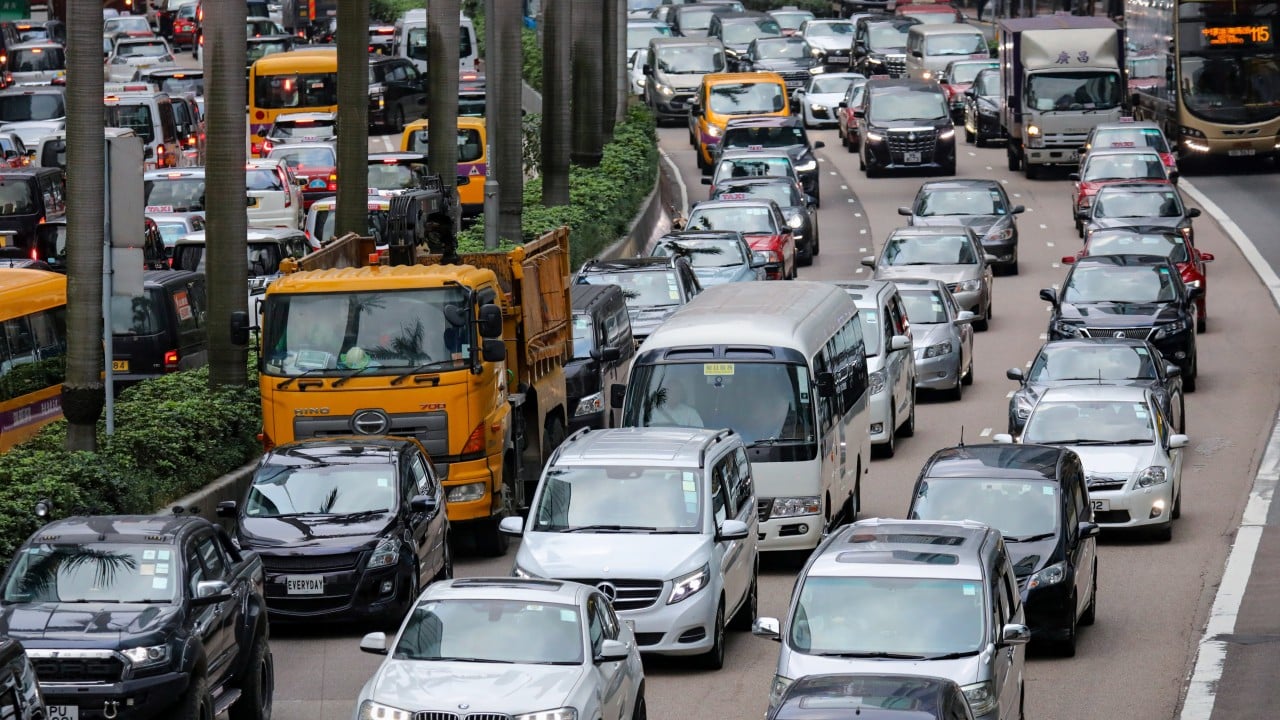
The financial burden of roadworks extends beyond the construction budget. Businesses located in construction zones often report a significant drop in revenue. The cumulative effect of millions of lost hours for commuters stuck in traffic represents a major drag on national productivity.
Socially, the impact is equally profound. Communities can feel isolated when major arteries are cut off. The daily stress of navigating construction zones affects the well-being of millions. These societal costs are harder to quantify but are a critical part of the overall equation that decision-makers must consider.
The Path Forward 🛣️
Addressing this challenge requires a more nuanced approach to project planning and execution. It is not simply a matter of choosing between progress and preservation, but of finding ways to mitigate the negative impacts while maximizing the benefits. Better communication, innovative construction techniques, and phased rollouts could help ease the burden on the public.
Ultimately, the debate forces a re-evaluation of what constitutes success in infrastructure projects. Is it merely the completion of the project on time and budget, or does it also include the resilience and well-being of the communities it serves during the process? The answer to this question will shape the country's approach for decades to come.
Conclusion: Finding the Right Balance
The question of whether the country has it right remains open. The benefits of improved infrastructure are undeniable, promising a more efficient and prosperous future. However, the cost of disruption is a heavy price that is paid daily by citizens and businesses.
There is a fine balance between the benefits of improved infrastructure, versus the cost of disruption. Moving forward, the success of national development will likely be measured not just by the quality of the finished roads, but by how effectively the country manages the journey to get there. The ongoing conversation about this balance is essential for a sustainable and equitable future.