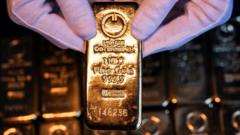
Key Facts
- ✓ Gold price has climbed to a new record high.
- ✓ Investors are flocking to precious metals.
- ✓ Geopolitical tensions are driving investor interest.
- ✓ Expectations of more US interest rate cuts contribute to the trend.
Quick Summary
The gold price has reached a new record high, driven by investors flocking to precious metals as a safe-haven asset. This trend is fueled by ongoing geopolitical tensions that create uncertainty in global markets. Additionally, expectations of more US interest rate cuts are encouraging this shift, as lower rates typically boost the appeal of non-yielding assets like gold.
Precious metals, including gold, serve as a traditional hedge against economic and political risks. The current environment, marked by international conflicts and policy shifts, amplifies demand. Investors view these assets as a reliable store of value during times of volatility. This record climb in gold prices signals broader concerns about stability in the world economy.
The interplay between geopolitical factors and monetary policy expectations continues to shape market dynamics. As tensions persist and rate cuts loom, the precious metals sector remains in focus for those seeking protection from potential downturns. This development highlights the enduring role of gold in diversified portfolios amid uncertain times.
The Surge in Gold Prices
The gold price has climbed to a new record high, marking a significant milestone in the commodities market. This upward movement reflects heightened investor interest in assets that provide stability during periods of uncertainty.
Gold, as a cornerstone of precious metals, continues to attract capital as global conditions evolve. The record high underscores the metal's status as a preferred choice for those navigating volatile economic landscapes.
Market participants are closely monitoring these developments, as the price trajectory influences broader investment strategies. The climb indicates sustained demand pressures building over recent periods.
Investor Shift to Precious Metals
Investors are flocking to precious metals in response to prevailing market conditions. This collective movement highlights a strategic pivot toward assets perceived as resilient in turbulent times.
The appeal of precious metals lies in their historical role as a bulwark against inflation and instability. As capital flows into this sector, gold leads the charge with its record performance.
Such shifts often occur when traditional investments face heightened risks, prompting a reevaluation of portfolio allocations. The ongoing influx points to a deepening reliance on these metals for preservation of value.
- Precious metals serve as a hedge against uncertainty.
- Gold's prominence drives overall sector momentum.
- Investor behavior aligns with risk mitigation goals.
Influence of Geopolitical Tensions
Geopolitical tensions are a key driver behind the increased interest in precious metals. These tensions create an environment of unpredictability that elevates the demand for safe-haven investments.
International relations and regional conflicts contribute to a sense of global unease, pushing investors toward gold and similar assets. The record high in gold prices directly correlates with these escalating concerns.
In such scenarios, precious metals gain traction as they offer a tangible alternative to fiat currencies under pressure. The persistence of tensions ensures that this demand remains robust.
Analysts note that geopolitical events often accelerate capital movements into commodities like gold, reinforcing its position as a barometer of world stability.
Expectations for US Interest Rate Cuts
Anticipation of more US interest rate cuts is further bolstering the gold price surge. Lower interest rates diminish the opportunity cost of holding non-yielding assets such as precious metals.
The US monetary policy outlook plays a pivotal role in shaping investor sentiment toward gold. As cuts become more likely, the attractiveness of gold intensifies, contributing to its record levels.
This expectation aligns with broader economic signals, where easing policies aim to support growth but inadvertently favor commodities. Precious metals benefit from this dynamic, drawing sustained investment flows.
- Rate cuts reduce yields on alternatives to gold.
- US policy influences global market perceptions.
- Lower rates enhance precious metals' appeal.
The combination of these factors solidifies gold's upward trajectory in the current landscape.


