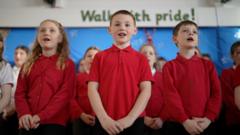
- New data indicates that singing activities are far more prevalent in primary and private schools compared to state secondaries.
- Teachers emphasize that school singing should not be confined to Christmas, advocating for year-round participation to enhance educational experiences.This trend underscores a need for equitable access to musical education across all school types.
- Primary schools often incorporate singing as a regular part of the curriculum, fostering early development through melody and rhythm.
- Private schools, with additional resources, maintain robust choral programs that build confidence and community.In contrast, state secondaries show lower engagement, potentially missing opportunities for students to benefit from the therapeutic and social aspects of singing.
Quick Summary
New data indicates that singing activities are far more prevalent in primary and private schools compared to state secondaries. Teachers emphasize that school singing should not be confined to Christmas, advocating for year-round participation to enhance educational experiences.
This trend underscores a need for equitable access to musical education across all school types. Primary schools often incorporate singing as a regular part of the curriculum, fostering early development through melody and rhythm. Private schools, with additional resources, maintain robust choral programs that build confidence and community.
In contrast, state secondaries show lower engagement, potentially missing opportunities for students to benefit from the therapeutic and social aspects of singing. Educators call for policy changes to integrate singing more consistently, ensuring it becomes a staple rather than a seasonal event. This approach could bridge gaps in musical exposure and promote holistic student growth.
The push for expanded singing aligns with broader educational goals, highlighting music's role in cognitive and emotional development. As schools reflect on these disparities, the message is clear: singing deserves a permanent place in every school's routine.
Disparities in School Singing Practices
Recent new data reveals significant differences in how singing is integrated across various school settings. In primary schools, singing forms a core element of daily activities, engaging young learners regularly.
Private schools also prioritize singing, often through dedicated programs that extend beyond basic curriculum requirements. These institutions benefit from enhanced facilities and extracurricular options that encourage consistent participation.
However, state secondaries lag behind, with singing appearing far less frequently. This contrast highlights uneven opportunities for students to engage in musical expression as they progress through education levels.
- Singing prevalence is higher in primary environments.
- Private sectors show strong commitment to choral activities.
- State secondaries exhibit notably lower involvement.
Teachers' Perspectives on Seasonal Limitations
Teachers argue that confining singing to Christmas periods restricts its potential benefits. They advocate for a more inclusive approach, making singing a year-round feature in school life.
This view stems from observations of how seasonal events dominate musical activities, leaving other times underserved. Educators see value in expanding singing to support ongoing student development.
In primary and private settings, where singing is more common, teachers note positive impacts on engagement and well-being. Extending this to state secondaries could address current gaps effectively.
The call for change emphasizes singing's role beyond holidays, promoting it as an essential educational tool.
Implications for Educational Equity
The data on singing disparities points to broader issues of equity in education. Primary and private schools' higher engagement suggests resource advantages that state secondaries may lack.
Teachers' advocacy for year-round singing aims to level the playing field, ensuring all students access music's developmental advantages. This includes building social skills and emotional resilience through group performances.
Addressing these differences could involve curriculum adjustments and funding reallocations. Such steps would make singing a universal experience rather than one tied to specific school types or seasons.
- Equity requires consistent singing across all schools.
- Resource gaps affect secondary state institutions most.
- Year-round programs benefit diverse student needs.
Future Directions for School Music Programs
Moving forward, the emphasis on expanding singing aligns with educational trends favoring holistic learning. Teachers' insights suggest integrating music more deeply into daily routines.
New data serves as a catalyst for policy discussions, particularly around SEC guidelines in education. Enhancing programs in state secondaries could mirror successes in primary and private sectors.
Ultimately, making singing a staple activity promises to enrich school environments universally. This shift would honor teachers' calls for activities unbound by seasonal constraints.
Stakeholders must prioritize these changes to foster inclusive musical education for all.
Frequently Asked Questions
Where is singing more common in schools according to new data?
Singing is much more common in primary and private schools than in state secondaries.
What do teachers recommend regarding school singing?
Teachers say singing at school shouldn't just be for Christmas, advocating for year-round activities.
What disparities exist in school singing practices?
The data highlights higher singing engagement in primary and private schools, with lower prevalence in state secondaries.