M
MercyNews
Home
Back
Animoca adquiere Somo mientras el mercado NFT muestra signos de recuperación
Tecnologia

Animoca adquiere Somo mientras el mercado NFT muestra signos de recuperación

CoinTelegraph3h ago
3 min de lectura
📋

Hechos Clave

  • Animoca Brands ha adquirido oficialmente Somo en una movida estratégica para expandir su negocio de coleccionables digitales y fortalecer su posición en el ecosistema Web3.
  • El momento de la adquisición coincide con indicadores tempranos de actividad comercial renovada en el mercado NFT, lo que sugiere una fase de recuperación potencial que comienza en 2026.
  • Esta expansión estratégica mejora las capacidades de Animoca en juegos blockchain e infraestructura de activos digitales, posicionando a la empresa para el crecimiento anticipado del mercado.
  • El acuerdo representa un voto de confianza significativo en la viabilidad a largo plazo de los coleccionables digitales a pesar de los desafíos recientes del mercado.
  • Los analistas de la industria ven esta adquisición como un catalizador potencial para una mayor consolidación e inversiones estratégicas en todo el sector de activos digitales.

Las señales del mercado cambian

El panorama de los coleccionables digitales está presenciando un momento pivotal mientras Animoca Brands anuncia su adquisición de Somo. Esta movida estratégica llega en un punto crítico cuando el mercado de tokens no fungibles está mostrando indicadores tempranos pero prometedores de un resurgimiento comercial.

Los observadores de la industria señalan que el momento de esta adquisición es particularmente significativo. Después de un período de ajuste del mercado, la renovada actividad comercial sugiere que la confianza de los inversores está regresando al espacio de activos digitales, haciendo de este un momento oportuno para la expansión.

Expansión estratégica

La adquisición representa una expansión calculada del portafolio de coleccionables digitales de Animoca. Al integrar las capacidades de Somo, la empresa fortalece su posición en el ecosistema Web3 en evolución.

Esta movida demuestra el compromiso de Animoca de construir infraestructura integral para la propiedad digital y los activos basados en blockchain. El acuerdo mejora la capacidad de la empresa para ofrecer experiencias diversas de coleccionables digitales a una audiencia global.

Los beneficios estratégicos clave incluyen:

  • Infraestructura de coleccionables digitales expandida
  • Capacidades de juegos Web3 mejoradas
  • Posición de mercado fortalecida en activos blockchain
  • Mayor alcance para experiencias basadas en NFT

Signos de recuperación del mercado

La adquisición coincide con indicadores tempranos de renovado impulso comercial en todo el ecosistema NFT. Los datos del mercado sugieren que los volúmenes de negociación están comenzando a mostrar tendencias positivas a medida que comienza 2026.

Este resurgimiento sigue a un período de consolidación del mercado que caracterizó gran parte del año anterior. La actividad renovada indica que el mercado de coleccionables digitales puede estar entrando en una nueva fase de crecimiento y madurez.

Los participantes del mercado están observando:

  • Aumento de los volúmenes de negociación en las principales plataformas
  • Renovado interés de los coleccionistas institucionales
  • Mayor integración de NFT en ecosistemas de juegos
  • Utilidad mejorada para los coleccionables digitales

Implicaciones de la industria

Esta adquisición señala confianza institucional renovada en la viabilidad a largo plazo de los coleccionables digitales. Los principales actores de la industria se están posicionando para lo que parece ser un nuevo ciclo de crecimiento.

La movida de Animoca Brands puede desencadenar adquisiciones estratégicas similares a medida que las empresas buscan fortalecer sus posiciones ante la anticipada expansión del mercado. Esto podría conducir a una mayor consolidación en todo el sector de activos digitales.

Los analistas sugieren que la integración de la tecnología y la comunidad de Somo podría proporcionar a Animoca ventajas competitivas en:

  • Adquisición y retención de usuarios
  • Interoperabilidad de activos digitales entre plataformas
  • Desarrollo de utilidad de NFT de nueva generación
  • Penetración del mercado global

Perspectivas futuras

La adquisición posiciona a ambas entidades para capitalizar oportunidades emergentes en el espacio de coleccionables digitales. A medida que el mercado madura, se espera que las empresas con infraestructura sólida y alianzas estratégicas lideren la próxima fase de crecimiento.

De cara al futuro, la integración de las capacidades de Somo con el extenso portafolio de Animoca podría acelerar la innovación en modelos de juegos blockchain y propiedad digital. Este desarrollo podría servir como catalizador para una recuperación más amplia del mercado y la adopción.

Los actores de la industria estarán observando de cerca cómo esta adquisición influye en la dinámica competitiva e impulsa una mayor innovación en el panorama de activos digitales en rápida evolución.

Puntos clave

La adquisición de Animoca-Somo representa más que una simple transacción: marca un punto de inflexión potencial para el mercado NFT. A medida que los coleccionables digitales muestran signos de renovada vitalidad, esta movida estratégica demuestra que los principales actores permanecen comprometidos con el potencial a largo plazo del sector.

Tanto para inversores como para entusiastas, este desarrollo sirve como una fuerte señal de que el ecosistema de activos digitales está evolucionando hacia una mayor estabilidad e innovación. Los próximos meses revelarán si esta adquisición anuncia una recuperación sostenida y una nueva era de crecimiento para los coleccionables basados en blockchain.

Preguntas frecuentes

¿Cuál es el desarrollo principal?

Animoca Brands ha adquirido Somo para expandir su estrategia de coleccionables digitales. Esta adquisición llega cuando el mercado NFT muestra signos tempranos de renovada actividad comercial en 2026. El acuerdo fortalece la posición de Animoca en el ecosistema de juegos blockchain y activos digitales.

¿Por qué es esto significativo?

La adquisición señala una renovada confianza institucional en el mercado NFT después de un período de ajuste. Demuestra que los principales actores de la industria se están posicionando para el crecimiento anticipado del mercado. Esta movida puede desencadenar inversiones estratégicas similares en todo el sector de coleccionables digitales.

¿Cuáles son los resultados esperados?

Se espera que la integración mejore la infraestructura de coleccionables digitales de Animoca y expanda sus capacidades de juegos Web3. Puede acelerar la innovación en modelos de propiedad digital basados en blockchain. El acuerdo también podría estimular una recuperación más amplia del mercado y una mayor adopción de activos digitales.

¿Qué significa esto para el mercado NFT?

Esta adquisición sirve como un fuerte indicador de que el mercado NFT está entrando en una nueva fase de madurez y crecimiento. Sugiere que las grandes empresas permanecen comprometidas con el potencial a largo plazo de los coleccionables digitales. La movida puede fomentar una mayor inversión institucional y consolidación estratégica en el sector.

Key Facts: 1. Animoca Brands ha adquirido oficialmente Somo en una movida estratégica para expandir su negocio de coleccionables digitales y fortalecer su posición en el ecosistema Web3. 2. El momento de la adquisición coincide con indicadores tempranos de actividad comercial renovada en el mercado NFT, lo que sugiere una fase de recuperación potencial que comienza en 2026. 3. Esta expansión estratégica mejora las capacidades de Animoca en juegos blockchain e infraestructura de activos digitales, posicionando a la empresa para el crecimiento anticipado del mercado. 4. El acuerdo representa un voto de confianza significativo en la viabilidad a largo plazo de los coleccionables digitales a pesar de los desafíos recientes del mercado. 5. Los analistas de la industria ven esta adquisición como un catalizador potencial para una mayor consolidación e inversiones estratégicas en todo el sector de activos digitales. FAQ: Q1: ¿Cuál es el desarrollo principal? A1: Animoca Brands ha adquirido Somo para expandir su estrategia de coleccionables digitales. Esta adquisición llega cuando el mercado NFT muestra signos tempranos de renovada actividad comercial en 2026. El acuerdo fortalece la posición de Animoca en el ecosistema de juegos blockchain y activos digitales. Q2: ¿Por qué es esto significativo? A2: La adquisición señala una renovada confianza institucional en el mercado NFT después de un período de ajuste. Demuestra que los principales actores de la industria se están posicionando para el crecimiento anticipado del mercado. Esta movida puede desencadenar inversiones estratégicas similares en todo el sector de coleccionables digitales. Q3: ¿Cuáles son los resultados esperados? A3: Se espera que la integración mejore la infraestructura de coleccionables digitales de Animoca y expanda sus capacidades de juegos Web3. Puede acelerar la innovación en modelos de propiedad digital basados en blockchain. El acuerdo también podría estimular una recuperación más amplia del mercado y una mayor adopción de activos digitales. Q4: ¿Qué significa esto para el mercado NFT? A4: Esta adquisición sirve como un fuerte indicador de que el mercado NFT está entrando en una nueva fase de madurez y crecimiento. Sugiere que las grandes empresas permanecen comprometidas con el potencial a largo plazo de los coleccionables digitales. La movida puede fomentar una mayor inversión institucional y consolidación estratégica en el sector.
Continue scrolling for more

La IA transforma la investigación y las demostraciones matemáticas
Technology

La IA transforma la investigación y las demostraciones matemáticas

La inteligencia artificial está pasando de ser una promesa a una realidad en las matemáticas. Los modelos de aprendizaje automático generan teoremas originales, forzando una reevaluación de la investigación y la enseñanza.

Just now
4 min
175
Read Article
I'm glad I made time to get to know my grandmother as an adult. Learning about her 99 years helped me see the world differently.
Lifestyle

I'm glad I made time to get to know my grandmother as an adult. Learning about her 99 years helped me see the world differently.

The author's grandmother lived to 99. Courtesy of Tracy Granzyk My grandmother lived to 99, and I got to know her better as an adult than I did as a child. I'm glad we spent that time together and that I got to appreciate her in her complexity. Her wisdom helped me see the world in a different way. "Do you think there is a heaven?" my 99-year-old grandma, who was a devout Catholic, asked me one of the last times I saw her alive. It was June of 2019, and my mom and I had driven south to Dyersburg, TN, to visit her in the long-term care facility she had only recently been admitted to. This was a woman who had driven until she was 88 and lived independently since my grandfather died 10 years earlier at 91. Grandma was part of the Greatest Generation, prayed the rosary, and watched the Catholic channel daily on her 20-inch television. Every time we spoke on the phone, she would ask, "Did you go to church today?" She lived her faith by example. She loved to play competitive card games and have an occasional sip of blackberry brandy as a nightcap. The fire and spunk I saw in her eyes when she sheepishly challenged me about an afterlife was a new side of her I began to see years earlier as we both grew older. I was in awe that she was both willing and able to question her faith in her tenth decade of life. I made time to get to know my grandmother as an adult "There's no shame in being afraid," she once said to me. It was spring 2002, and her words caught me off guard. Relief was the initial feeling. I thought, "Oh, now you tell me." I had spent my life running from my anxious nature, and her words were freeing. She was my maternal grandmother and would be called GGMa by my nieces and nephew, yet to be born. The daughter of Lithuanian immigrants, she had grown up on a farm in central Illinois, and her life had been shaped by hardship, resilience, and a little mystery. She had always been a stoic taskmaster when she came to stay with my younger sister, brother, and me — and harder to get close to when we were kids. With these words, she conveyed a soothing wisdom I had never heard from her before. Despite GGMa's disciplined nature, she also had a wry sense of humor. Both she and my grandfather — who was quicker with a gentle smile and a joke— instilled a sense of joy and laughter in their three girls, which they passed on to my cousins, siblings, and me. Because I had missed the later years of my paternal grandmother's life due to college and travel, I was making an effort to spend time with my maternal grandparents. That they would live into their nineties was a gift. The author got to know her grandmother better when she was an adult. Courtesy of Tracy Granzyk I'm thankful for my last visits with my grandmother Back in Dyersburg, TN, I replied, "I'd like to think there is a heaven, Grandma." I appreciated and even admired her blind faith and the respect she had for her small-town priest, who visited her regularly in long-term care. My reply was honest and my own, someone deeply spiritual but skeptical about how the Catholic rulebook she followed played out. Wanting to get GGMa out of bed during our visit, I instigated an outing into the summer sunshine for a change of scenery. I had fun wheeling her through the rehab center while she directed me toward a door to escape the stale air, despite the staff's dedication to cleanliness. In the last picture I took of her, she wears my Maui Jim sunglasses, the midday sun on her face, and looks as much like herself as ever. When I arrived to visit her for the last time, she was sitting up on her knees in bed like a teenager, singing a hymn, smiling, and waving in rhythm toward the ceiling. She looked 30 years younger and was in a trance-like state, clearly communicating with someone. It was beautiful to watch, and I believe she received her answer about heaven. Thinking about our last days together, I wonder if Grandma asked me about heaven less to question her own faith and instead, to encourage me to explore my own. If heaven truly does exist, she is definitely in it. What is certain is that I benefited deeply from the time we spent together as adults, and I'm grateful I made time to get to know her as the woman she was: faithful, fun, stubborn, anxious, and strong. Read the original article on Business Insider

2h
3 min
0
Read Article
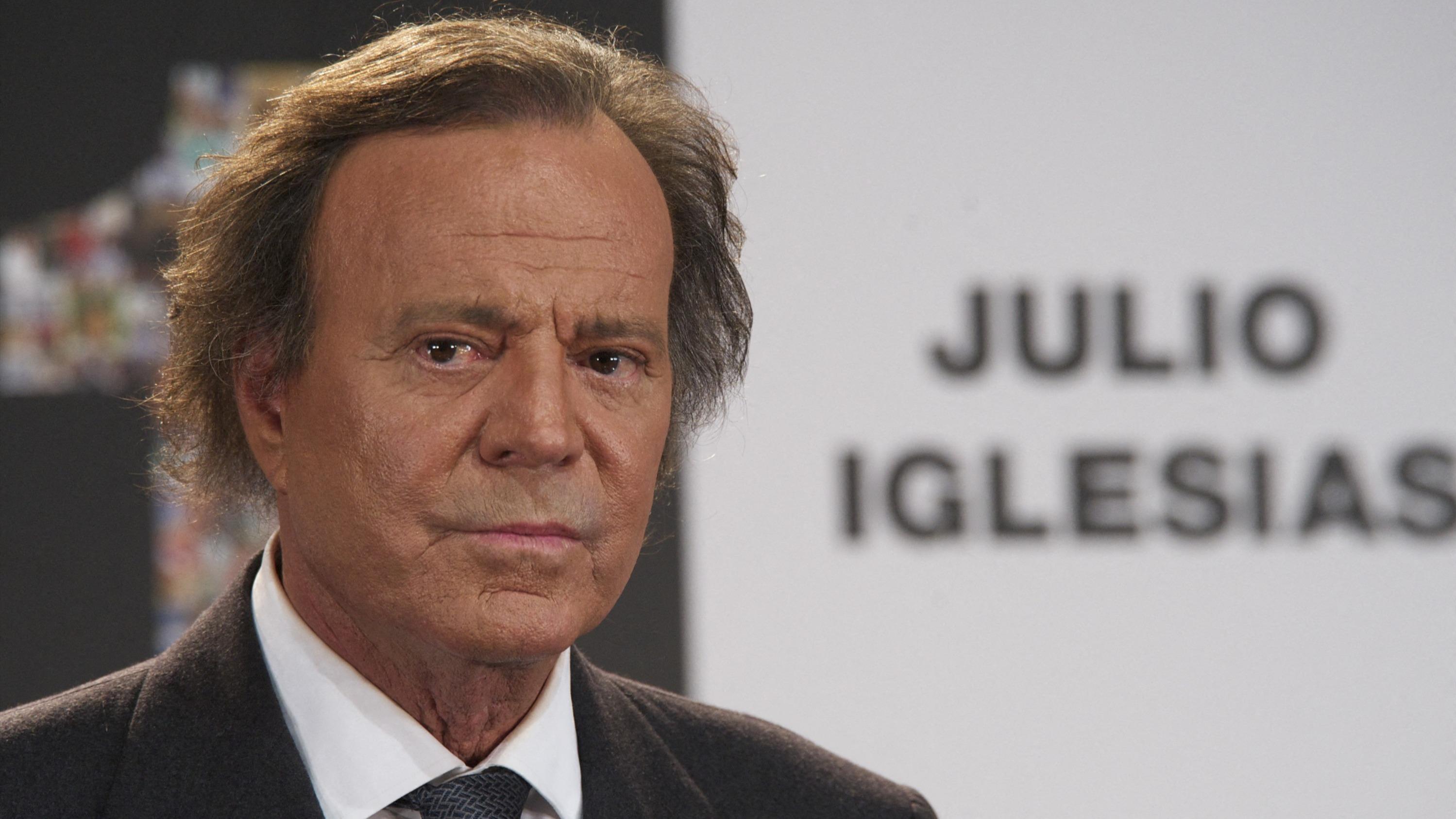
Plainte contre Julio Iglesias : des accusations de «traite d’êtres humains»
Crime

Plainte contre Julio Iglesias : des accusations de «traite d’êtres humains»

Les associations Women’s Link et Amnesty International, qui soutiennent les deux ex-employées du chanteur espagnol, ont écrit que les faits sont «susceptibles de constituer un délit de traite des êtres humains en vue d’imposer le travail forcé et la servitude».

2h
3 min
0
Read Article
From humanoid robots to agentic AI, I learned what retail insiders are buzzing about at a major industry conference
Technology

From humanoid robots to agentic AI, I learned what retail insiders are buzzing about at a major industry conference

I went to NRF 2026. Jordan Hart/Business Insider AI dominated this week's discussions at Retail's Big Show, a leading industry conference. I attended for the first time and saw retail leaders showcase AI-powered shopping tools and chatbots. Gen Z shoppers said they value authenticity and transparency in brands using AI. There were two little letters on everyone's lips: AI. Each year, the National Retail Federation, a leading industry trade group, hosts one of the industry's largest conferences, known as Retail's Big Show. I attended the convention, held in New York City from January 11 to 13, for the first time to hear from industry insiders about the retail trends to watch in 2026. This year's event drew speakers such as Walmart's incoming CEO John Furner and Google CEO Sundar Pichai, who announced a new AI deal this week, as well as Fanatics CEO Michael Rubin. It was clear that artificial intelligence was the big topic on the minds of the attendees from over 5,000 brands at the event. Walking the expo hall, "AI" and "agentic" seemed to be mentioned on nearly every other banner or booth I passed. Onstage, retail leaders touted their AI strategies. Large retailers, such as Walmart and Lowe's, have introduced their own AI shopping agents or partnered with AI platforms like Google's Gemini and OpenAI's ChatGPT; however, these efforts are still in their early stages. I also saw firsthand how some companies are experimenting with new technologies. There were humanoid robots walking up to greet attendees and digital drive-thru menu boards with bright colors advertising to retailers what their AI-powered menus could look like. There were humanoid robots walking around. Jordan Hart/Business Insider Customer service is the driving force behind a lot of AI efforts Despite some of the noise surrounding retail's AI-powered direction, CEOs, including Fran Horowitz of Abercrombie & Fitch, said young founders should keep the fundamentals top of mind while embracing innovation. Improving customer service, for instance, remains at the forefront of retailer decision-making. In one session, Ralph Lauren's chief branding and innovation officer, David Lauren, talked about his brand's longtime partnership with Microsoft. It led to the creation of Ask Ralph, a chatbot-style customer assistant. The bot is powered by Microsoft's AI, but it is designed to function like a styling assistant that suggests clothing based on prompts, such as an occasion you're attending. It's a taste of the future with the personal touch customers may want from a store associate. "It's like having Ralph Lauren in your pocket," Lauren said at the conference. Executives from Microsoft and Ralph Lauren joined NRF CEO Matthew Shay (left) onstage. Jordan Hart/Business Insider Quality takes priority over convenience Currently, AI is most useful for bargain-hunting and basic customer service, according to a panel about Gen Z that included members of The Z Suite, a collective of consultants specializing in the consumer space. Chatbots like Ask Ralph can be convenient in a pinch, but the shopping experience doesn't begin and end there, the Gen Z consultants who ranged in age from 17 to 24 said. Young people seem to still crave some of the old-school fundamentals that define retail: quality, customer service, and in-store experiences. There's no replicating trying on the perfect dress in person, one young panelist said. They said they see AI as a starting point that they can use to find the unique items they covet. They're willing to put in the work to find the right item for them. This includes scouring Reddit for "real" reviews that TikTok influencers may not offer, said Olivia Meyer, a buyer who is part of The Z Suite. And although they're not rushing to get on the phone with a customer service representative, the consultants said they want to talk to a human when their money is at stake. True Religion's CMO, Kristen D'Arcy, hosted a panel of Gen Z professionals. Jordan Hart/Business Insider Consumers want the truth about what they're buying These Gen Z retail professionals, who also included a global merchant for Calvin Klein and a marketing associate, said they want their clothes to come from authentic brands that are transparent about their use of AI. They pointed to online speculation about AI models in ads, saying Gen Z doesn't care if the brands use AI models; they just want the truth. They want to get their money's worth for the clothes that they're buying, which is why data shows this demographic is straying away from fast fashion and toward shopping secondhand on sites like Vinted and eBay. True Religion's chief marketing officer, Kristen D'Arcy, who moderated the panel, said shoppers are craving authenticity in the world of AI-generated content, and it's making them more discerning. To that end, the denim brand has leveraged partnerships that align with its values, such as collaborations with artists like Megan Thee Stallion. The three-day event gave me a glimpse into the retail landscape of 2026. AI may be the loudest trend, but that doesn't mean brands should forget the basics. Read the original article on Business Insider

2h
3 min
0
Read Article
«Je ne sais pas qui il est» : l’étonnante déclaration de Donald Trump sur le premier ministre groenlandais
Politics

«Je ne sais pas qui il est» : l’étonnante déclaration de Donald Trump sur le premier ministre groenlandais

Ce mercredi, des dirigeants du Danemark et du Groenland vont notamment rencontrer à la Maison-Blanche le vice-président américain JD Vance, pour une réunion sous haute tension concernant l’avenir de ce territoire autonome.

3h
3 min
0
Read Article
Trump's sweeping proposals for credit cards and student debt could be a big deal for other lenders
Economics

Trump's sweeping proposals for credit cards and student debt could be a big deal for other lenders

Proposed policy changes could lead more consumers to turn to private or personal loans. Tatiana Maksimova/Getty Images New caps on student-loan borrowing could prompt more Americans to turn to private lending. Trump's proposed cap on credit card interest rates could also boost the personal loan market. It means that the private and personal lending market could see a boost in demand in the coming year. More Americans might find themselves turning to personal and private loans this year. Proposed changes to the lending market could impact banks and consumers starting this year, particularly in two of the largest areas of consumer debt: credit cards and student loans. Private and personal lending firms could end up big winners if those changes stick. On the student debt side, President Donald Trump's "big beautiful" spending legislation called for new borrowing caps on graduate and professional loans in an attempt to curb excessive borrowing. It also eliminated the Grad and Parent PLUS programs, which allowed parents and graduate students to borrow up to the full cost of attendance for their programs. More recently, Trump proposed a one-year, 10% cap on credit card interest rates, which he said would prevent credit card companies from "ripping off" consumers. The changes to student loan borrowing are set to take effect in July, while it's unclear if Trump's credit card proposal will come to fruition, as its most likely path would be through congressional legislation. Some policy experts and lenders have said that the caps on rates could mean banks reduce credit card offerings, and caps on student loan borrowing could drive consumers to private loans to help fill the gap. As the cost of living continues to rise in the US, personal loans, credit card debt, and student debt are already at record highs. While the benefit of a personal loan is that its flexible terms allow it to be used for a wide range of purposes, interest rates vary depending on credit scores, similar to credit cards. Similarly, taking on private student loans could also be riskier than federal financing because their interest rates are often variable, meaning the rate could increase or decrease over the loan's lifetime. Have a story to tell about student loans, personal loans, or credit card debt? Reach out to this reporter at asheffey@businessinsider.com. Personal loans as an alternative to credit cards and a boost for private student-loan lenders A joint statement from several banking associations said that the cap on credit card interest "would only drive consumers toward less regulated, more costly alternatives" such as personal and payday loans. On Tuesday, JPMorgan Chase's CFO said that if the interest cap were to take effect, it may not be worth it for the bank to be in the credit card business. Similarly, student borrowers without sufficient financing for their programs may turn to private lending. Personal lending company SoFi is an example of a company that could benefit from both policies. CEO Anthony Noto wrote in a post on X that, should Trump's credit card cap proposal be implemented, consumers would need access to more credit. "That creates a large void—one that @SoFi personal loans are well positioned to fill," Noto said. Noto also said during an August earnings call that the elimination of Grad and Parent PLUS loans could lead to "further opportunities for in school lending and student loan refinance." Private lender Navient's CEO, David Yowan, expressed a similar idea during an earnings call: "Grad PLUS elimination is a substantial and significant expansion of opportunities that we have with graduate students." A SoFi spokesperson told Business Insider that the company prioritizes affordability, "and providing members with a more accessible and safer path to financial independence." An analysis by credit reporting firm TransUnion found that unsecured personal loan balances reached record highs in the third quarter of 2025, totaling $269 billion. The accumulation of debt is a concern shared by some policy experts and lawmakers, particularly regarding student loans. In August, Sen. Elizabeth Warren led some of her colleagues in sending letters to the major private student-loan lenders asking for information on how they plan to protect borrowers in anticipation of an influx into the private lending market. "Student debt places a tremendous burden on borrowers, their families, their communities, and the U.S. economy, driving employment, spending, and housing decisions that have long-lasting negative impacts on borrowers' financial health," the lawmakers wrote. "Placing a greater share of student loans into the hands of private lenders threatens to make these problems much worse." Read the original article on Business Insider

3h
3 min
0
Read Article
How business leaders are responding to Trump's plan to cap credit card interest rates, from JPMorgan to SoFi
Politics

How business leaders are responding to Trump's plan to cap credit card interest rates, from JPMorgan to SoFi

Business leaders like Klarna's CEO support Trump's credit card cap proposal, while major banks and investors warn of risks. BRENDAN SMIALOWSKI/AFP via Getty Images Donald Trump proposes a 10% cap on credit card interest rates starting January 20, 2026. Business leaders like Klarna's CEO support the cap, while major banks and investors warn of risks. The proposal sparks debate on consumer protection, credit access, and industry profitability. Business leaders have mixed reviews of President Donald Trump's new plan for credit cards. In a post on Truth Social, Trump said on Friday he would call for a one-year cap of 10% on credit card interest rates, arguing that consumers are being "ripped off" by rates that he said can be as high as 20% or 30%. Congress, not the president, has the power to implement such a cap. Similar proposals have previously stalled on Capitol Hill. Major banks, including JPMorgan Chase, UBS, and Citi, warned that a 10% cap could reduce access to credit; others in the financial sector applauded the plan. Here is how business leaders have responded so far Sebastian Siemiatkowski Sebastian Siemiatkowski, CEO and cofounder of Klarna, at the fintech company's IPO on September 10. Bloomberg / Contributor / Getty Images/Reuters Klarna CEO Sebastian Siemiatkowski backs Trump's plan. Siemiatkowski told CNBC in an interview on Monday that traditional credit cards are built to encourage consumers to put most of their spending on credit, and then carry big balances at steep interest rates. That dynamic, he said, pushes people to borrow more than they should and results in higher losses, especially among lower-income borrowers. "I think Trump is wise here and is proposing something that makes a lot of sense," Siemiatkowski told CNBC on Monday. "Capitalism is great, but anarchy is not," Siemiatkowski added regarding consumer protection. In another interview with CNN, Siemiatkowski also said that credit card rewards like cash back and airline miles largely benefit wealthier consumers while lower-income cardholders shoulder more of the costs. Jeremy Barnum JPMorgan Chase CFO Jeremy Barnum speaks at the bank's 2025 Investor Day presentation in New York City on May 19. JPMorgan 2025 Investor Day JPMorgan's CFO said that Trump's plan could upend the company's business model. "It's a very competitive business, but we wouldn't be in it if it weren't a good business for us," said Jeremy Barnum during the company's fourth-quarter earnings call. "And in a world where price controls make it no longer a good business, that would present a significant challenge." JPMorgan said on its fourth-quarter earnings call that debit and credit card sales volume rose roughly 7% year over year and described the business as central to its retail-focused offerings. Jamie Dimon JPMorgan CEO Jamie Dimon. Alexander Tamargo/Getty Images for America Business Forum The CEO of JPMorgan also weighed in on Trump's credit card proposal. Jamie Dimon told investors on the company's fourth-quarter earnings call that reducing card interest rates could adversely affect customers with lower credit scores by limiting access to credit. "If it happened the way it was described, it would be dramatic," Dimon said. Bill Ackman PATRICK T. FALLON/AFP via Getty Images "This is a mistake, President," Bill Ackman, the billionaire CEO of Pershing Square Capital Management, wrote on Friday on X in a now-deleted post. "Without being able to charge rates adequate enough to cover losses and to earn an adequate return on equity, credit card lenders will cancel cards for millions of consumers who will have to turn to loan sharks for credit at rates higher than and on terms inferior to what they previously paid," Ackman added. Ackman said in another post on Saturday that although Trump's goal is one that's "worthy and important," the rate cap is not the way to achieve it. "The best way to bring down rates would be to make it more competitive by making the regulatory regime more conducive to new entrants and new technologies," Ackman wrote. Anthony Noto Mike Ehrmann/TGL/TGL Golf via Getty Images The SoFi CEO believes that his business and consumers could stand to benefit from Trump's credit card rate cap. "If this is enacted — and that's a big if, though part of me hopes it is — we would likely see a significant contraction in industry credit card lending," Anthony Noto wrote in a post on X. "Credit card issuers simply won't be able to sustain profitability at a 10% rate cap." "Consumers, however, will still need access to credit. That creates a large void — one that @SoFi personal loans are well positioned to fill," Noto added. Noto also said that personal loans could be an alternative to addressing debt, though that would make underwriting discipline and borrower education "even more important." Read the original article on Business Insider

3h
3 min
0
Read Article
Represión en Mwanza: Violencia postelectiva en Tanzania
Politics

Represión en Mwanza: Violencia postelectiva en Tanzania

Tras las elecciones de octubre, Mwanza, la segunda ciudad más grande de Tanzania, se convirtió en el epicentro de una violenta represión. Nuevas evidencias apuntan a que las fuerzas de seguridad cometieron ejecuciones y graves violaciones de los derechos humanos.

3h
5 min
6
Read Article
Goldman Sachs desmiente mitos sobre un apocalipsis económico en 2026
Economics

Goldman Sachs desmiente mitos sobre un apocalipsis económico en 2026

Goldman Sachs desmiente los mitos de una recesión en 2026, proyectando fortaleza económica y crecimiento del S&P 500. Reduce la probabilidad de recesión al 25%.

3h
6 min
6
Read Article
Aventon Soltera 3 ADV: ¿La bicicleta eléctrica urbana perfecta?
Technology

Aventon Soltera 3 ADV: ¿La bicicleta eléctrica urbana perfecta?

Aventon ha presentado la Soltera 3 ADV, una bicicleta eléctrica urbana ligera diseñada para la simplicidad y el bajo mantenimiento. Se enfoca en un manejo fácil para los ciclistas de ciudad.

3h
5 min
6
Read Article
🎉

You're all caught up!

Check back later for more stories

Volver al inicio