Key Facts
- ✓ The US State Department imposed visa bans on five European citizens, including two British nationals.
- ✓ The Global Disinformation Index described the sanctions as an 'authoritarian attack on free speech.'
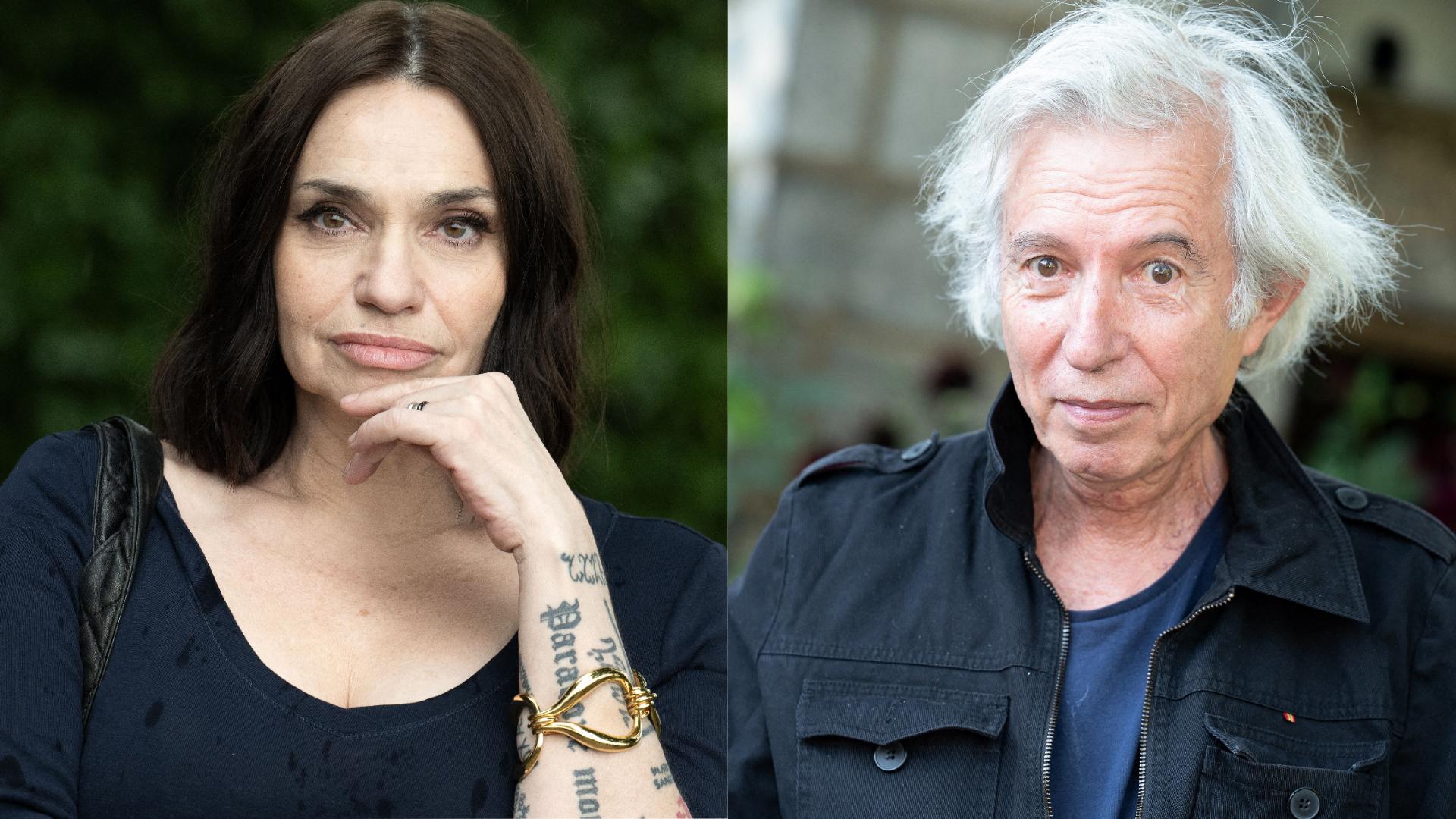
- ✓ German activists Anna-Lena von Hodenberg and Josephine Ballon of HateAid were sanctioned for their work under the EU's Digital Services Act.
- ✓ The UK government stated it is 'fully committed to free speech' following the incident.
Quick Summary
The US State Department has placed visa restrictions on five European citizens, citing efforts to suppress opposing American viewpoints. The list includes two British nationals associated with the Global Disinformation Index and two German activists from the organization HateAid.
The UK government has officially responded to the sanctions, emphasizing its dedication to free speech principles. The individuals targeted are known for their work in regulating online content and countering disinformation. The Global Disinformation Index has publicly denounced the visa bans, labeling them 'immoral, unlawful, and un-American.' The situation underscores the complex international debate surrounding digital speech regulation.
UK Government Response and Context
The UK government has issued a statement affirming its commitment to free speech following the announcement of US visa bans targeting British citizens. The sanctions were levied against individuals involved in initiatives to combat online disinformation and hate speech. Despite the diplomatic tension, the government maintained a neutral stance regarding the specific actions taken by the US State Department.
The individuals affected include Imran Ahmed and Clare Melford. Melford serves as the leader of the Global Disinformation Index (GDI). The organization works to identify and mitigate the spread of false information online. The visa bans were issued based on claims that these individuals wish to suppress American viewpoints they oppose.
"The visa sanctions … are an authoritarian attack on free speech and an egregious act of government censorship."
— Global Disinformation Index Spokesperson
Global Disinformation Index Reaction 🌐
The Global Disinformation Index has responded forcefully to the visa restrictions imposed on its leadership. A spokesperson for the organization described the US State Department's decision as 'an authoritarian attack on free speech and an egregious act of government censorship.' The GDI argues that the sanctions represent an attempt to intimidate and silence voices that the current administration disagrees with.
Specifically, the GDI stated that the actions taken are 'immoral, unlawful, and un-American.' The organization, which is run by Clare Melford, views its work as essential to maintaining the integrity of online information ecosystems. The sanctions mark a significant escalation in the conflict between tech regulation advocates and those who prioritize unrestricted speech.
German Activists and the DSA 🇩🇪
Two German activists associated with HateAid were also included in the list of sanctioned individuals. Anna-Lena von Hodenberg, the leader and founder of HateAid, was targeted. HateAid was established following the 2017 German federal elections to counter conservative groups. The organization operates as an official 'trusted flagger' under the European Union's Digital Services Act (DSA).
Hodenberg has been active in circulating petitions to strengthen the DSA, citing the threat of 'disinformation' from 'right-wing extremists' in upcoming elections. She advocates for increased data access for researchers to help censor harmful content.
Josephine Ballon, co-leader of HateAid, was also sanctioned. Ballon serves on Germany’s Advisory Council of the Digital Services Coordinator, advising on the application of the DSA. She has previously outlined her position on speech boundaries in a 60 Minutes interview, stating, "Free speech needs boundaries." In October 2024, she vowed to stop the 'emotionalization of debates' by 'regulating platforms.'
Implications for Digital Policy
The visa bans represent a significant development in the international discourse on digital governance. By targeting European officials involved in the DSA and disinformation tracking, the US State Department has taken a rare diplomatic step to influence foreign digital policy enforcement.
The sanctions highlight a divergence in how the US and EU approach the regulation of online speech. While the EU has implemented the Digital Services Act to create a framework for content moderation, the US response suggests a resistance to what is perceived as extraterritorial censorship efforts. The long-term impact on transatlantic data sharing and policy cooperation remains to be seen.
"Their actions today are immoral, unlawful, and un-American."
— Global Disinformation Index Spokesperson
"Free speech needs boundaries."
— Josephine Ballon, Co-leader of HateAid