Key Facts
- ✓ Bourbon maker Jim Beam halts production at its main distillery for a year
- ✓ US distillers face uncertainty after President Trump imposed tariffs on countries around the world
- ✓ The situation involves key entities including Trump, Jim Beam, and US economic sectors
Quick Summary
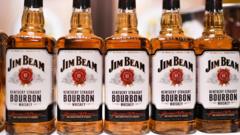
Jim Beam, a prominent US bourbon maker, has halted production at its main distillery for an entire year. This action reflects the widespread uncertainty gripping US distillers after President Trump imposed tariffs on countries around the world.
The tariffs have introduced significant economic challenges for the distilling industry, which relies on global trade networks. As a result, companies like Jim Beam are taking precautionary measures to address potential disruptions in supply chains and market access. The decision underscores the intersection of politics and economics, where trade policies directly impact domestic manufacturing.
US distillers, including major players, now face an unpredictable environment that could affect production costs, exports, and overall operations. This development, reported on December 22, 2025, highlights how international relations influence key sectors of the American economy. The halt at Jim Beam's facility serves as a case study in adapting to geopolitical shifts.
While the full ramifications remain to be seen, the situation emphasizes the vulnerability of industries tied to global commerce. Stakeholders in the bourbon sector are closely monitoring how these tariffs evolve and their long-term effects on business strategies.
Jim Beam's Production Decision
Jim Beam has initiated a complete halt to production at its main distillery, extending for a full year. This measure addresses the immediate challenges posed by shifting trade conditions in the US.
The distillery, central to the company's bourbon operations, will pause all activities to mitigate risks associated with global economic pressures. Such a step indicates a strategic response to broader industry concerns.
Key aspects of this decision include:
- Suspension of all manufacturing processes at the primary facility
- Duration set at one year to allow for assessment of trade impacts
- Focus on preserving resources amid uncertain market dynamics
This action by Jim Beam aligns with efforts to navigate the complexities of international trade policies affecting domestic producers.
Impact of Tariffs on US Distillers
President Trump's tariffs on countries around the world have created substantial uncertainty for US distillers. These measures alter the landscape of global trade, directly influencing import and export dynamics.
Distillers in the US, dependent on international materials and markets, encounter heightened costs and logistical hurdles. The imposition of tariffs exacerbates these issues, prompting operational adjustments across the sector.
Trade Policy Context
The tariffs represent a political strategy aimed at protecting domestic interests, yet they introduce economic volatility. For industries like bourbon production, this means reevaluating supply chains and pricing structures.
US distillers must now contend with:
- Increased expenses for imported components
- Potential barriers to exporting finished products
- Overall instability in forecasting business performance
This environment of uncertainty drives decisions such as the production halt at facilities like Jim Beam's main distillery.
Broader Economic Uncertainty
US distillers face a period of pronounced uncertainty following the tariff impositions. This situation intertwines political decisions with economic outcomes, affecting multiple stakeholders in the industry.
The global reach of the tariffs amplifies challenges for companies engaged in international commerce. Bourbon makers, in particular, experience ripple effects from disrupted trade relations.
Sector-Wide Repercussions
Across the US, distillers are compelled to adapt to these changes, with Jim Beam's halt serving as a prominent example. The one-year pause at the main distillery illustrates the scale of precautionary actions being taken.
Elements contributing to this uncertainty include:
- Imposition of tariffs by President Trump on various countries
- Disruption to established trade agreements
- Need for industries to realign operations
The ongoing developments highlight the interconnectedness of politics, economics, and manufacturing in the US.
Implications for the Bourbon Industry
The halt in production at Jim Beam's main distillery for a year underscores the profound implications of tariff-related uncertainty for the bourbon industry. US distillers must navigate a transformed economic reality shaped by global trade policies.
As tariffs imposed by President Trump persist, the sector anticipates continued adjustments in operations and strategy. This scenario emphasizes the need for resilience in facing geopolitical influences on business.
Long-Term Outlook
While immediate actions like production suspensions provide short-term stability, the broader picture involves monitoring trade negotiations and policy shifts. The uncertainty affects not only major players like Jim Beam but the entire US distilling landscape.
In conclusion, the intersection of politics and economics revealed through these events points to a challenging yet adaptive path forward for US distillers. The decisions made today will shape the industry's trajectory amid evolving international relations.


