Key Facts
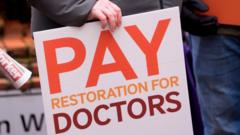
- ✓ Resident doctors in England went on a five-day strike.
- ✓ The strike was over ongoing pay disputes.
- ✓ Doctors will return to work on Monday.
- ✓ This action affects the healthcare sector in England.
Quick Summary
Resident doctors in England are concluding their five-day strike and returning to work on Monday. The industrial action stemmed from ongoing pay disputes that have persisted within the healthcare workforce.
This development marks the end of a period of disruption caused by the strike, allowing normal operations to resume in hospitals and medical facilities across the region. The doctors' decision to return underscores the critical nature of their roles in patient care and the broader implications of labor issues in the health sector.
While the strike has concluded, the underlying pay concerns remain a focal point for discussions on fair compensation for medical professionals. This event reflects the challenges faced by resident doctors in balancing professional demands with equitable remuneration. As they step back into their positions, the focus shifts to ensuring sustained dialogue to address these disputes effectively.
The return to work is anticipated to alleviate immediate pressures on healthcare services, though long-term resolutions will be essential for stability. Mercy News will continue monitoring developments in this important area of health policy and worker rights.
The Conclusion of the Five-Day Strike
Resident doctors in England have decided to end their strike after five days of action. This strike, which began recently, was a direct response to unresolved issues surrounding pay.
The duration of the strike highlights the seriousness with which these medical professionals view their compensation concerns. As they prepare to return on Monday, healthcare facilities can expect a gradual restoration of full staffing levels.
The end of the strike comes at a pivotal moment, allowing for the continuity of essential services that these doctors provide daily.
Ongoing Pay Disputes at the Core
The five-day strike by resident doctors in England was primarily driven by ongoing pay disputes. These disputes have been a recurring challenge for medical staff seeking fair remuneration for their demanding roles.
Pay disputes in the healthcare sector often involve negotiations over salary adjustments that reflect the intensity and importance of the work performed. For resident doctors, this issue is particularly pressing given their frontline responsibilities.
The strike served as a platform to emphasize the need for resolution in these matters, bringing attention to the financial aspects of medical careers in England.
- Resident doctors participated actively in the strike action.
- The focus remained on pay-related grievances throughout the period.
- Negotiations likely influenced the decision to return to work.
Return to Work on Monday
England's resident doctors are scheduled to resume their duties on Monday following the strike. This return signifies a step toward normalizing operations in the nation's healthcare system.
The timing of the return aligns with the end of the five-day period, ensuring that patient care can proceed without further interruption from this specific action. Medical teams will reintegrate into their routines, addressing any backlog from the strike days.
This development is crucial for maintaining the flow of services in hospitals and clinics across England.
In the lead-up to Monday, preparations are underway to facilitate a smooth transition back to full capacity.
Implications for Healthcare in England
The resolution of this five-day strike by resident doctors points to the ongoing dynamics of labor relations in England's health sector. While the immediate action has concluded, the pay disputes that prompted it continue to shape discussions on workforce sustainability.
Resident doctors play an indispensable role in patient treatment and medical training, making their participation in such actions a matter of significant interest. The return to work on Monday offers a temporary stabilization, but underlying issues require attention to prevent future disruptions.
Stakeholders in healthcare will likely view this as an opportunity to advance talks on compensation, ensuring that doctors are supported in their vital contributions.
- The strike's end allows for resumed medical procedures and consultations.
- Pay concerns persist as a key element in professional satisfaction.
- Future engagements may build on this moment of return.
Looking Forward
As resident doctors in England return to work on Monday after their five-day strike over pay disputes, the healthcare landscape regains its rhythm. This event underscores the importance of addressing labor concerns to uphold the quality of medical services.
Mercy News emphasizes the need for constructive dialogue to resolve such disputes, fostering an environment where healthcare professionals can thrive. The conclusion of this strike is a positive step, yet vigilance is required to ensure lasting improvements in pay and working conditions.
With the strike behind them, focus now turns to the delivery of uninterrupted care, benefiting patients and the entire system in England.


