M
MercyNews
Home
Back
Belgian PM's Stark Warning to Europe on Trump
Politics

Belgian PM's Stark Warning to Europe on Trump

In a rare and forceful statement, the Belgian Prime Minister has declared that Europe faces a stark choice: resist Donald Trump's offensive or face a future of subjugation to the United States.

Folha de S.Paulo22h ago
5 min read
📋

Quick Summary

  • 1The Belgian Prime Minister issued a rare and sharp warning to Europe regarding the policies of former U.
  • 2He stated that the continent must choose between saying 'no' to Trump's offensive or facing a future of 'slavery' to the United States.
  • 3The comments were delivered on Tuesday, marking a significant escalation in rhetoric from a European leader.
  • 4The statement highlights growing transatlantic tensions and the high stakes for European sovereignty.

Contents

A Stark Choice for EuropeThe Core DeclarationA Rare Voice of DissentThe Geopolitical ContextImplications for European UnityLooking Ahead

A Stark Choice for Europe#

In a rare and forceful intervention into transatlantic politics, the Prime Minister of Belgium has issued a stark warning to the European continent. Speaking on Tuesday, the leader declared that Europe must choose between two divergent paths: either stand up to the policies of former U.S. President Donald Trump or risk becoming a "slave" to the United States.

The statement represents a significant escalation in rhetoric from a European head of government, framing the geopolitical relationship not merely as a matter of diplomacy or trade, but as a fundamental question of sovereignty and autonomy. The timing and intensity of the comments suggest a growing concern within European leadership circles about the continent's strategic direction.

The Core Declaration#

The Prime Minister's remarks were delivered in a context that underscores their gravity. European leaders are currently navigating a complex landscape of international relations, where the legacy of Trump's "America First" policies continues to influence global dynamics. The Belgian leader's choice of words—specifically the term "slavery"—was designed to shock and provoke a serious re-evaluation of Europe's position.

This is not the first time European officials have expressed concern about U.S. foreign policy, but the directness and severity of this particular statement are noteworthy. It moves beyond typical diplomatic criticism into the realm of existential warning. The core of the message is a call to action: Europe cannot afford to be passive.

The continent needs to say no to Donald Trump's offensive or face a future of slavery in relation to the United States.

The Prime Minister's language suggests a belief that the current trajectory of U.S.-Europe relations poses a direct threat to European identity and independence. By framing the issue in such absolute terms, the Belgian leader is challenging other European nations to adopt a more assertive stance.

"The continent needs to say no to Donald Trump's offensive or face a future of slavery in relation to the United States."
— Prime Minister of Belgium

A Rare Voice of Dissent#

What makes this declaration particularly significant is its rare and incisive nature. While European leaders often express differing views on foreign policy, public statements of this magnitude are uncommon. They carry the risk of diplomatic friction and can complicate ongoing negotiations. The Belgian Prime Minister's willingness to use such strong language indicates a level of frustration or urgency that may be shared by others but is rarely voiced so openly.

The statement also highlights the internal divisions that can exist within the European Union. Crafting a unified foreign policy toward a superpower like the United States is a constant challenge. This declaration serves as a public reminder that consensus is fragile and that individual member states may feel compelled to speak out when they perceive a threat to their interests or values.

  • Emphasis on European sovereignty and independence
  • Rejection of perceived U.S. overreach
  • A call for a more unified European foreign policy
  • Highlighting the high stakes of international diplomacy

The timing of the comments, on a Tuesday, places them in the midst of the regular political and diplomatic cycle, ensuring they will be a topic of discussion in Brussels and other European capitals throughout the week.

The Geopolitical Context#

The Belgian Prime Minister's warning cannot be viewed in isolation. It reflects broader anxieties about the state of the transatlantic alliance. The relationship between Europe and the United States has been tested in recent years by disputes over trade, defense spending, and climate policy. The legacy of the Trump administration's "America First" approach continues to shape how European leaders plan for the future.

For many in Europe, the concern is not just about a single political figure but about the potential for a lasting shift in U.S. foreign policy. The fear is that Europe could become overly dependent on the United States for its security and economic well-being, thereby losing the ability to chart its own course. The Prime Minister's use of the term "slavery" is a rhetorical device meant to illustrate the extreme end of this dependency.

This debate is occurring at a time when Europe is also grappling with other major challenges, including the war in Ukraine, energy security, and the rise of China. Each of these issues requires a careful balancing act between maintaining a strong relationship with the United States and asserting European interests. The Belgian leader's statement adds a new layer of urgency to these ongoing discussions.

Implications for European Unity#

The Prime Minister's declaration places the question of European unity front and center. A continent that speaks with one voice is far more powerful than a collection of individual nations. However, achieving that unity on foreign policy is notoriously difficult. This statement will likely force other European leaders to clarify their own positions, potentially leading to a more robust debate about the continent's future direction.

Some may view the Prime Minister's words as a necessary wake-up call, while others might see them as unnecessarily provocative. The reaction in other European capitals will be closely watched. Will this statement galvanize support for a more independent European foreign policy, or will it deepen existing divisions? The answer to that question will have profound implications for the global balance of power.

Ultimately, the Belgian Prime Minister has thrown down a gauntlet. By framing the choice in such stark terms, the leader has challenged the continent to move beyond incremental adjustments and consider a fundamental reorientation of its relationship with the United States. The coming months will reveal whether this warning is heeded and how it might shape the future of transatlantic relations.

Looking Ahead#

The Belgian Prime Minister's sharp warning marks a pivotal moment in the ongoing conversation about Europe's place in the world. It underscores the high stakes involved in international diplomacy and the delicate balance between cooperation and independence. The statement is a clear signal that patience may be wearing thin in some European quarters.

As the political landscape evolves, the pressure will be on European institutions and national governments to articulate a clear and unified vision for the continent's future. The choice presented by the Belgian leader—between resistance and subjugation—is a powerful framing that will likely resonate in policy debates for some time. The world will be watching to see how Europe responds to this challenge to its sovereignty and autonomy.

Frequently Asked Questions

The Belgian Prime Minister issued a stark warning that Europe must say 'no' to the offensive of former U.S. President Donald Trump. He stated that the alternative would be a future of 'slavery' in relation to the United States, framing the issue as a critical choice for European sovereignty.

The statement is significant because it is a rare and unusually sharp public criticism from a sitting European leader. Such direct and severe rhetoric is uncommon in international diplomacy and signals a high level of concern about the direction of transatlantic relations and European independence.

The Prime Minister of Belgium delivered the remarks on Tuesday, January 20, 2026. The statement was made in a public forum, ensuring it would be widely reported and discussed across European political circles.

The warning comes amid ongoing debates within Europe about its strategic autonomy and relationship with the United States. It reflects broader anxieties about the legacy of the 'America First' foreign policy and the need for a unified European position on global issues, from trade to security.

Continue scrolling for more

AI Transforms Mathematical Research and Proofs
Technology

AI Transforms Mathematical Research and Proofs

Artificial intelligence is shifting from a promise to a reality in mathematics. Machine learning models are now generating original theorems, forcing a reevaluation of research and teaching methods.

Just now
4 min
303
Read Article
As Trump threatens more tariff rises, China uses low duties to secure resources
Politics

As Trump threatens more tariff rises, China uses low duties to secure resources

As US President Donald Trump’s tariff increases have roiled global markets and strained America’s alliances in recent months, China has been pursuing the opposite strategy: keeping import duties low and pledging further cuts as a way to secure strategic resources and build ties across the developing world. China’s average effective tariff rate – calculated by dividing total duties raised by the value of imports – has fallen steadily over the past decade and came to just 1.3 per cent in 2025,...

20h
3 min
0
Read Article
CoinDesk 20 Performance Update: Internet Computer Drops 8.3% as All Assets Decline
Cryptocurrency

CoinDesk 20 Performance Update: Internet Computer Drops 8.3% as All Assets Decline

Solana (SOL) joined Internet Computer (ICP) as an underperformer, falling 4.5% from Monday.

20h
3 min
0
Read Article
Macron Rejects US Tariff Threats at Davos 2026
Politics

Macron Rejects US Tariff Threats at Davos 2026

French President Emmanuel Macron delivered a sharp rebuke to US trade policy at the World Economic Forum, declaring that using tariff threats as leverage against territorial sovereignty is 'fundamentally unacceptable.'

21h
5 min
6
Read Article
Prince Harry Claims Targeted Campaign by Daily Mail Publisher
Society

Prince Harry Claims Targeted Campaign by Daily Mail Publisher

The Duke of Sussex believes he has faced a 'sustained campaign' of attacks for having 'the temerity to stand up' to the publisher of the Daily Mail, the high court has heard.

21h
5 min
6
Read Article
Pendle Retires vePENDLE Lockups for sPENDLE Staking
Cryptocurrency

Pendle Retires vePENDLE Lockups for sPENDLE Staking

Pendle launches sPENDLE, replacing vePENDLE’s multi-year lockups with liquid staking, protocol buybacks, and a 14-day withdrawal period.

21h
5 min
6
Read Article
Strategy Acquires $2.13B in Bitcoin, Boosting Holdings
Cryptocurrency

Strategy Acquires $2.13B in Bitcoin, Boosting Holdings

Michael Saylor's Strategy has executed its largest weekly Bitcoin acquisition since November 2024, spending $2.13 billion to purchase 22,305 BTC.

21h
5 min
6
Read Article
Russian Athletes Cleared for Winter Paralympics
Sports

Russian Athletes Cleared for Winter Paralympics

After a year of uncertainty, Russian athletes have secured their spot at the upcoming Winter Paralympics in Milan and Cortina d'Ampezzo following a landmark legal victory.

21h
5 min
6
Read Article
Tragedy on the River: 13-Year-Old Boy Found Dead
Accidents

Tragedy on the River: 13-Year-Old Boy Found Dead

A day of play turned to tragedy in São Leopoldo, where the body of 13-year-old Tiago da Silva de Melo was recovered from the Rio dos Sinos. The incident highlights the dangers of river currents during rainy seasons.

21h
5 min
6
Read Article
Álbum em que Gal Costa cantou Dorival Caymmi, com arranjos de João Donato e Perinho Albuquerque, chega aos 50 anos com a relevância e frescor de 1976
Entertainment

Álbum em que Gal Costa cantou Dorival Caymmi, com arranjos de João Donato e Perinho Albuquerque, chega aos 50 anos com a relevância e frescor de 1976

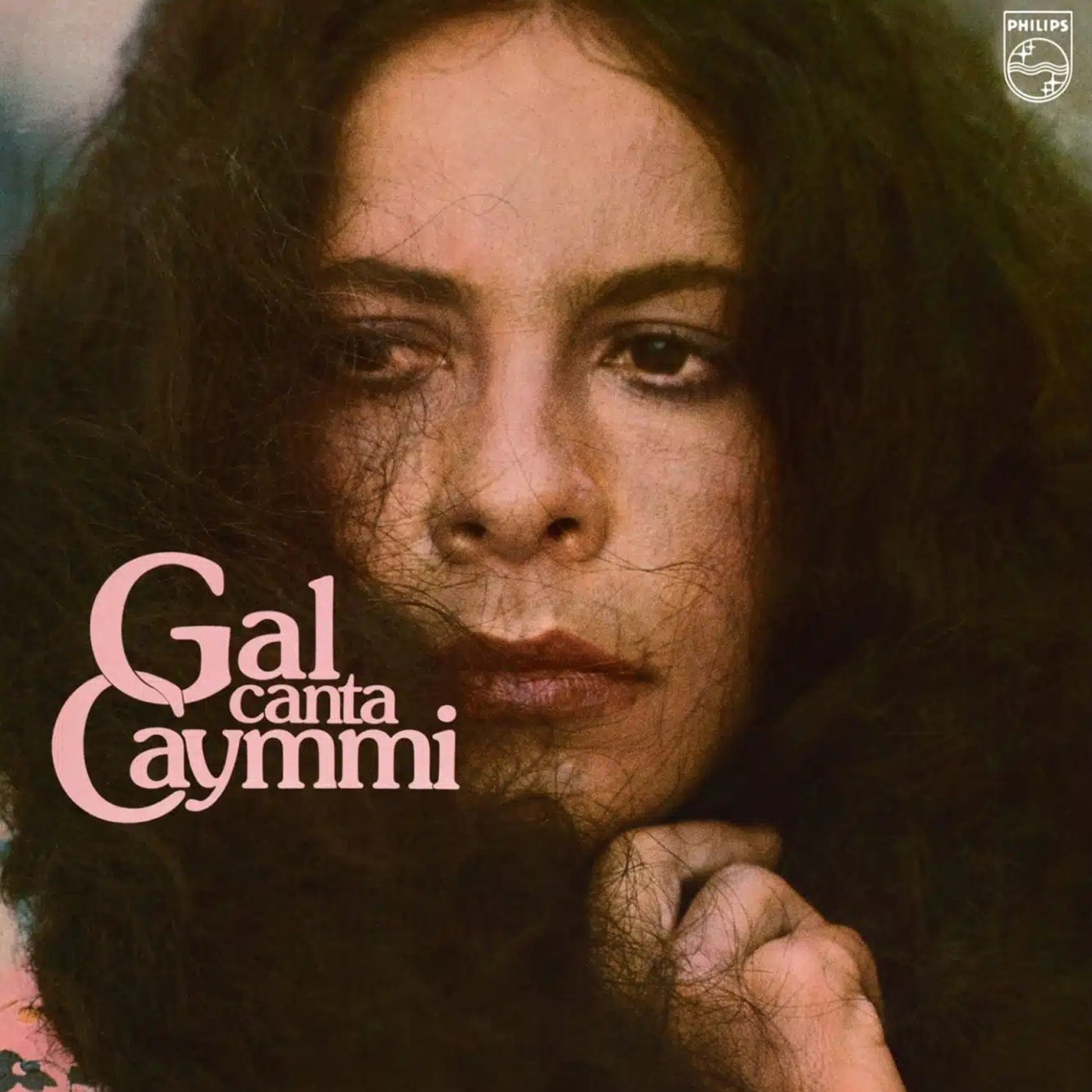
Capa do álbum 'Gal canta Caymmi' (1976), de Gal Costa Thereza Eugenia ♫ MEMÓRIA ♬ Álbum que completa 50 anos em 2026 sem perda da relevância e do viço, “Gal canta Caymmi” foi disco oportunista, mas nem por isso menos oportuno, belo e importante. É que, embora Gal Costa (26 de setembro de 1945 – 9 de novembro de 2022) viesse lançando grandes álbuns na primeira metade da década de 1970, como “Fa-Tal – Gal a todo vapor” (1971), “Índia” (1973) e o na época incompreendido “Cantar” (1974), o fato é que a artista tinha se transformado em cantora de nicho. Em bom português: Gal tinha prestígio, era cultuada pela crítica e por um público antenado, mas não desfrutava de sucesso na proporção da imensidão da voz cristalina que encantara até João Gilberto (1931 – 2019), muso inspirador da tímida Gracinha que viera de Salvador (BA) para o Rio de Janeiro (RJ) em 1965 em busca de oportunidades profissionais. Gal ampliaria o público a partir do álbum “Água viva” (1978), mas o primeiro ponto de virada rumo à popularidade nacional oi o convite da TV Globo em 1975 para Gal gravar “Modinha para Gabriela” para a trilha sonora original da novela “Gabriela”. Composição inédita de Dorival Caymmi (30 de abril de 1914 – 16 de agosto de 2008), feita para a novela exibida de abril a outubro de 1975, “Modinha para Gabriela” era ouvida diariamente como o tema da abertura da primorosa adaptação para a TV do romance “Gabriela, cravo e canela” (1958), do escritor baiano Jorge Amado (1912 – 2001). Se dependesse do diretor Daniel Filho, Gal também teria interpretado a própria personagem-título Gabriela, mas a cantora não se via como atriz e ficou somente com a música nova de Caymmi. Atenta ao sucesso da novela e da música, a gravadora Philips lançou single com a gravação de ”Modinha para Gabriela” por Gal com bom resultado de vendas. Foi aí que Roberto Menescal, então no posto de diretor artístico da companhia fonográfica (a mais importante do Brasil na época pelo elenco estelar), exercitou o tino comercial e o senso de oportunidade, convidando Gal para gravar um álbum com músicas de Caymmi. Um songbook, gênero de disco então incomum no mercado fonográfico brasileiro. Gravado ainda em 1975, sob direção musical do produtor e guitarrista Perinho Albuquerque (1946 – 2025), falecido aos 79 anos em agosto do ano passado, o tributo da cantora baiana ao compositor conterrâneo foi lançado no primeiro semestre de 1976, com capa que expunha Gal em close clicado pela fotógrafa Thereza Eugenia, e emplacou de cara um hit noveleiro. No rastro do sucesso de Gal na abertura de “Gabriela”, a TV Globo escolheu a gravação do samba-canção “Só louco” (1955) para a abertura da novela “O casarão”, estreada em junho de 1976. Com arranjos divididos entre Perinho Albuquerque e o pianista João Donato (1934 – 2023), que orquestrou a faixa “Só louco”, o álbum “Gal canta Caymmi” foi formatado com os toques de instrumentistas do naipe de Antonio Adolfo, Dominguinhos (1941 – 2013), Luizão Maia (1949 – 2005), Novelli, Paulinho Braga e Roberto Menescal. Esses grandes músicos armaram a cama perfeita para Gal Costa deitar e rolar no canto de dez músicas de Dorival Caymmi. São músicas que, embora já conhecidas em gravações lapidares do próprio compositor, ganharam a marca de Gal. O tempero da cantora no samba “Vatapá” (1942) salta aos ouvidos, por exemplo, no aceleramento do andamento no fim da gravação arranjada por João Donato. A potência do canto de Gal nos versos de “Pescaria (Canoeiro)” ”(1944) tem o vigor de um estivador na beira do cais e, no entanto, a intérprete não faz força. O canto sai naturalmente forte. Ao mesmo tempo, Gal soube imprimir toda a delicadeza exigida pelo samba-canção “Nem eu” (1952) em gravação feita com toque de bolero ao estilo leve do arranjador João Donato. Já os sambas “Rainha do mar” (1939), “Festa de rua” (1949) e “Dois de fevereiro” (1957) soam como prenúncios da Gal tropical que explodiria nas paradas dali a três anos, com show e disco de 1979. Ainda no terreiro do samba, ouvir Gal cantando “São Salvador” (1960) é testemunhar a artista celebrando a Bahia e a cidade na qual viera ao mundo há então 31 anos. Na praia das canções marítimas, gênero fundamental do cancioneiro de Caymmi, a gravação de “O vento” (1949) traz uma Gal puxando na voz a rede da ancestralidade afro-brasileira incrustada nessas pérolas negras lapidadas na forma de canções devotas de santos e orixás que regem o mar. Gal chama “O vento” com arranjo de Perinho Albuquerque enquanto “Peguei um ita no Norte” (1945) navega em mar sem tempestade, no balanço suave de João Donato. Enfim, Gal Costa cantou Dorival Caymmi com a sofisticação do compositor ourives, mas sem suntuosidade, em sintonia com o espírito de obra vocacionada para ser a trilha atemporal do povo da Bahia e, pelo alcance, também do Brasil. É por isso que o songbook do compositor na voz da imortal cantora chega aos 50 anos com a mesma relevância e frescor de 1976

21h
3 min
0
Read Article
🎉

You're all caught up!

Check back later for more stories

Back to Home