M
MercyNews
Home
Back
منظمة أكشن إيد تعيد التفكير في رعاية الأطفال
Society

منظمة أكشن إيد تعيد التفكير في رعاية الأطفال

The Guardian5h ago
3 دقيقة قراءة
📋

حقائق رئيسية

  • أطلقت المنسقتان الجديدتان لمنظمة أكشن إيد بالمملكة المتحدة، طاهره غازي وحنان بوند، خطة لـ"إلغاء استعمار" عمل المنظمة.
  • تعيد المنظمة التفكير في مخطط رعاية الأطفال التقليدي الذي أُطلق عام 1972.
  • ركز النموذج الأصلي على إيجاد رعاة لأطفال المدارس في الهند وكينيا.
  • تargues القيادة الجديدة أن الرعاية التقليدية يمكن أن تحمل نبرات عنصرية ووصائية.
  • الهدف هو التحول من المساعدة القائمة على التعاطف نحو التمويل الجذري طويل الأجل وال-solidarity العالمية.
  • تسعى أكشن إيد إلى تعزيز الشراكات مع الحركات العالمية بدلاً من التركيز على اختيار الأطفال بشكل فردي.

ملخص سريع

منظمة أكشن إيد بالمملكة المتحدة تبدأ في تحول استراتيجي كبير، مبتعدة عن نموذج رعاية الأطفال التقليدي كجزء من جهد أوسع لـإلغاء استعمار عملياتها. المنسقتان المُعينتان حديثاً، طاهره غازي وحنان بوند، أعلنتا عن هذا الخطة التحويلية مع إطلاق قيادتهما المشتركة هذا الشهر.

تهدف المبادرة إلى تغيير جذري لكيفية تعامل المنظمة مع المساعدة الدولية. بدلاً من الحفاظ على الممارسة طويلة الأمد التي تسمح للمانحين الأفراد باختيار أطفال محددين لدعمهم، تدعو القيادة الجديدة إلى نموذج يبني على الشراكة وال-solidarity. يمثل هذا التحرك إعادة تقييم حاسمة للأساليب التي كانت سائدة منذ تأسيس المنظمة.

السياق التاريخي

تأسست أكشن إيد في 1972 بمهمة تركز على التعليم. اشتمل النموذج الأولي للمنظمة على إيجاد رعاة لأطفال المدارس في الهند وكينيا، وهي طريقة أصبحت حجر الزاوية في تمويل التنمية الدولية لعقود. سمح هذا النهج للمانحين من الدول الأكثر ثراءً بتكوين رابط مباشر وشخصي مع طفل في دولة نامية.

ومع ذلك، فإن المنسقتين الجديدتين تتساءلان الآن عن التأثير طويل الأجل والسرد الأساسي لهذا النموذج. أصل المنظمة في عام 1972 أسس إطاراً يعطي الأولوية للتعاطف الفردي. تعتقد القيادة الحالية أن هذا الإطار يتطلب تحولاً جوهرياً ليتوافق مع الفهم الحديث للعمل التنموي الفعال والعادل.

اعتمد النموذج التاريخي على ديناميكية محددة بين المانح والمستفيد. تسعى الرؤية الجديدة إلى تفكيك هذا التسلسل الهرمي، والتحرك نحو نظام يوجه الدعم إلى المجتمعات والmovements الجذري بدلاً من الاختيار الفردي.

"مخططات رعاية الأطفال التي تسمح للمانحين باختيار الأطفال للدعم في البلدان الفقيرة يمكن أن تحمل نبرات عنصرية ووصائية ويجب تحويلها."

— طاهره غازي وحنان بوند، المنسقتان المديرتان، أكشن إيد بالمملكة المتحدة

نقد الرعاية التقليدية

أIdentified المنسقتان الجديدتان بوضوح الأضرار المحتملة المضمنة في مخططات رعاية الأطفال التقليدية. يarguesان الأنظمة التي تسمح للمانحين بـاختيار الأطفال للدعم في البلدان الفقيرة يمكن أن تستمر في ديناميكيات ضارة. تم وصف هذه الديناميكيات على أنها تحمل نبرات عنصرية ووصائية، والتي يمكن أن تعزز هيكلات القوة غير المتكافئة بين الشمال العالمي والجنوب العالمي.

يركز النقد على سرد التعاطف بدلاً من ال-solidarity. عندما يختار المانح طفلاً، غالبًا ما يتم إطار العلاقة من خلال منظور العمل الخيري والشفقة. يمكن أن يؤدي هذا إلى سلب الوكالة بشكل لا إرادي من المجتمعات التي يتم دعمها وتركيز مشاعر المانح على احتياجات المجتمع الفعلية.

مخططات رعاية الأطفال التي تسمح للمانحين باختيار الأطفال للدعم في البلدان الفقيرة يمكن أن تحمل نبرات عنصرية ووصائية ويجب تحويلها.

الهدف هو التحول عن هذه السرود المشكلة. من خلال تغيير التركيز، تهدف أكشن إيد إلى تعزيز شعور بال-humanity المشتركة والاحترام المتبادل. هذا يتضمن الاعتراف بالخبرة والقيادة الموجودة بالفعل داخل المجتمعات التي تخدمها، بدلاً من وضع المانحين الخارجيين كعملاء التغيير الأساسيين.

رؤية جديدة للمساعدة 🌍

تطبق طاهره غازي وحنان بوند اتجاهًا جديدًا يركز على التمويل الجذري طويل الأجل. بدلاً من توجيه الأموال للأطفال الأفراد، تخطط المنظمة لتوجيه الموارد نحو المبادرات التي يقودها المجتمع والmovements المحلية. صُمم هذا النهج لإحداث تغيير مستدام ونظامي يفيد المجتمعات بأكملها.

يتم إطار التحول على أنه الانتقال من نموذج التعاطف إلى نموذج ال-solidarity. تعني ال-solidarity شراكة حيث تدعم المنظمات الخارجية الجهود المحلية بدلاً من فرضها. هذا يتوافق مع الزيادة في الحركات العالمية التي تدعو إلى إلغاء استعمار المساعدة وإعادة توزيع القوة على الجهات الفاعلة المحلية.

  • إعادة توجيه الأموال إلى المنظمات الجذرية
  • دعم مشاريع التنمية التي يقودها المجتمع
  • بناء شراكات مع الحركات المحلية
  • تغيير ديناميكيات القوة في المساعدة الدولية

تتطلب هذه الرؤية الجديدة إعادة هيكلة كاملة للاستراتيجيات التشغيلية والجمع التبرعات. يجب على المنظمة الآن توصيل قيمة العمل الجماعي والاستثمار النظامي لقاعدة المانحين لديها، مبتعدة عن السرد العاطفي الجذاب ولكن المشكلة محتملاً لإنقاذ طفل واحد.

الآثار على القطاع

تمثل قرار أكشن إيد لحظة مهمة للقطاع الدولي الأوسع للتنمية. كمنظمة خيرية رئيسية تأسست على نموذج رعاية الأطفال، يمكن أن يؤثر تحولها على المنظمات الأخرى لإعادة فحص ممارساتها الخاصة. يبرز التحرك إجماعاً متزايداً بأن نماذج المساعدة التقليدية تحتاج إلى مراجعة نقدية.

لن يكون الانتقال بدون تحديات. يتطلب تغيير نموذج تمويل متأصل بعمق تواصلاً دقيقاً مع الرعاة وأصحاب المصلحة الحاليين. يجب على المنظمة إثبات أن النموذج الجديد والأكثر تجريداً لتمويل المجتمع يمكن أن يكون فعالاً ومؤثراً مثل الاتصال الشخصي برعاية الأطفال.

في النهاية، يضع هذا التحول أكشن إيد بالمملكة المتحدة في طليعة حركة نحو ممارسات تنموية أكثر أخلاقية ومساواة. من خلال معالجة الإرث الاستعماري داخل صناعة المساعدة، تضع المنظمة نفسها كقائدة في خلق مستقبل تُبنى فيه الشراكات العالمية على الاحترام والقوة المشتركة.

النظر إلى الأمام

قيادة طاهره غازي وحنان بوند تشير إلى عصر جديد لأكشن إيد، عصر يتميز بالتأمل والتحول الهيكلي. التزامهما بـإلغاء استعمار عمل المنظمة هو خطوة جريئة تتحدى الوضع الراهن للمساعدة الدولية. التركيز الآن على بناء نموذج مستدام يحترم كرامة ووكالة جميع المجتمعات المشاركة.

ومع تطور الخطة، سيكون قطاع التنمية يراقب عن كثب. يمكن أن يوفر نجاح هذا الانتقال نموذجاً أولياً للمنظمات الخيرية الأخرى التي تسعى لتحديث نهجها. يؤكد على تطور حاسم في طريقة تفكيرنا حول المسؤولية العالمية وآليات الدعم.

الرحلة من رعاية الأطفال في عام 1972 إلى التركيز الحالي على ال-solidarity الجذري توضح تحولاً عميقاً. إنه تحرك نحو نموذج مساعدة

#Global development#Aid#Humanitarian response#Charities#Charitable giving#Society#Feminism#World news#Africa#Americas#Asia Pacific

Continue scrolling for more

الذكاء الاصطناعي يحول البحث والبراهين الرياضية
Technology

الذكاء الاصطناعي يحول البحث والبراهين الرياضية

لقد انتقل الذكاء الاصطناعي من وعد متقطع إلى واقع ملموس في الرياضيات، حيث تستخدم نماذج التعلم الآلي الآن لدعم استنباط براهين أصلية. يجبر هذا التطور على إعادة تقييم طرق البحث والتدريس في هذا التخصص.

Just now
4 min
342
Read Article
Football is the biggest thing in America. Chuck Klosterman says that's going to change.
Sports

Football is the biggest thing in America. Chuck Klosterman says that's going to change.

Big time football — like this month's college football championship — is the most dominant force in American culture. It won't always be that way, writer Chuck Klosterman argues in his new book. Set Number: X164821 TK1 Are you ready for some football? Trick question: America is always ready for more football. It's an appetite without end. But writer Chuck Klosterman, who just devoted a book to the sport, says football's dominance will ultimately be its undoing. The notion that football is the biggest force in American culture and entertainment is so ingrained and obvious that it almost seems like something not worth mentioning. Chuck Klosterman feels otherwise: The pop culture writer just devoted an entire book to the sport, and its meaning and importance. But Klosterman also argues that football won't always be the main thing — and that its overwhelming size and scale will be the thing that eventually undermines it. I talked to Klosterman about all of that, as well as topics like the impact of video games on the sport, and why he thinks paying college football players is good for now, and really damaging in the long run. You can hear our entire conversation on my Channels podcast. What follows are edited excerpts from our chat. Peter Kafka: What is the point of a book called "Football" in 2026? Chuck Klosterman: I have been obsessed with sports and football my entire life. And probably 20 years ago, I made an unspoken, abstract decision — at some point, I want to do a book that's just about sports. My initial idea was that it was going to be about basketball, but I realized that's crazy: If you're writing about something that's part of the culture, football is the sport. It's the only one. If someone said to you, "Explain the last half of the 20th century through some idea, some metaphor," football is the thing to pick. It might not be the case for the 21st century, but it is for the end of the 20th century. And it is for the world we live in right now. One of the big changes in sports — and definitely in football — recently is the legalization of sports betting. It's omnipresent. You seem ambivalent-to-positive about it, which is not where I thought you'd end up. CHUCK: Do I think that gambling in this legalized way is bad for society? I would say probably, for all of the predictable reasons — particularly because it's on your phone and you've put your [financial information] in, so the money does not seem real. Even if it was just a situation where you had to feed dollar bills into it, everything would change. You're taking something that's addictive for some people and marrying it to your phone, which is also addictive for some people. It seems like an obvious way to get in trouble. CHUCK: But for football, it is good. Because it adds a different context for conversation about it. When I have a conversation with other dads, we'll talk about sports a lot, and then there'll be this other conversation. About gambling. We're still technically talking about football, but this is a whole different thing. It has a different context, a different meaning. It says more about the person. Some could argue that it's a weird argument for gambling being good. But if we look at football as a form of entertainment, a distraction, something to consume, to occupy yourself — I think gambling does make it more interesting. This is the pitch from the entire sports gambling industry — it improves the game, it adds stakes, it makes it more interesting. You seem to agree. Certainly there are people who feel that way. I think a lot of people I know who do a lot of gambling, they have a sort of mixed feelings about it — I think it does bother them that suddenly the game seems meaningless if they're not gambling on it. But for me, as somebody who doesn't really put money into it, I find it a fascinating thing. Like: Indiana was an eight-and-a-half point favorite [in Monday's college football championship game]. They did not cover. But the meaning of eight-and-a-half points in a spread suggests that the gambling markets believe it will be a blowout. That's different than saying, "I think Indiana's gonna win easily." I find it to be much more intriguing than I would've thought. I was definitely against the idea of sports betting. Ideologically, I thought, "This is bad." And like I say, socially it probably is. But for each individual sport … You argue that football's grip on America will eventually collapse. How will that happen? Football is not just the most popular thing, or just too big to fail. It is too big to stop expanding. It has to constantly get bigger. The financial demands of it, the amount of revenue it has to make, can only go up. The NFL only operates from the position of "How can we stretch out further? Can we even swallow up all the other sports? Can we expand into Europe and all of these things?" And right now, that's a successful thing. The more they make, the more people consume, the more people spend on it —most importantly, the TV networks and streamers who need it. And the depth of caring is so deep. If football went away this fall for whatever reason, people will be like, "What am I gonna bet on? What is my life gonna be like? Who am I? What's my identity if I'm not a fan of this team?" You really saw this during COVID. "We're still playing college football. No one's in their classes, but we gotta play these games. We can't not play them." So it's really brittle, right? It's a system that has to keep going. But I think at some point there is going to be a change. Probably in advertising. It's not that advertising is going to disappear. It's just that what it costs to buy an ad during a football game … it's not going be worth the trade off. So let's say it gets to be a point when Fox or Amazon Prime, or whoever's carrying these games, renegotiates their NFL contract and for the first time, the number doesn't go up. Maybe even the number goes down. [That puts the] NFL's in this weird position — they have to take their best offer. Then the players will say, "There's no way we're going to take less money. There's no way we're going to start playing 22 games just because you're not making enough money from CBS. We're going to strike." Or the owners will be like, "We're going to lock the players out" [because they can't afford to pay them] — like what's happened with baseball. If that happened now, it would be this American calamity, where people would freak out. But as people have less and less of a personal relationship to the game when this happens in the future, they'll be like, "Well, that's an entertaining distraction. I can replace it with something else." Something has to be part of your life for it to be so important that you'll do whatever you can to keep it going. Why will fans have less of a relationship to football? The comparison I use is horse racing. In the 1920s, along with boxing and baseball, it was the biggest sport. And in the 1920s, the average person still had a real relationship to the culture of horses. They had a blue-collar job, and horses were still doing some of the labor. Or their dad had a horse farm. They definitely saw horses all the time. The horse was part of the world in which they lived. That is no longer the case. Now, horse racing is just for people who own horses and people who gamble on it. That's really all it is. My fear is that football's gonna put itself in a position where it's too big. Its tentacles reach too far. And people will say, "Well, I guess we'll choose something else." And when it collapses, something that size collapses hard. It kind of implodes on itself. I'm not one of these people [who complain about capitalism]. But I do think some of the problems of capitalism are easiest seen through sports leagues, which are smaller simulations of society. And what's happening with the way money operates in pro and college football, it seems precarious to me. The financial side's changing in an exponential way. And when society shifts, it's the big things that can't. They're not nimble. The small things can. Read the original article on Business Insider

11m
3 min
0
Read Article
We're siblings who built a 6-figure Turo business in under 2 years. We started with just our mom's car — here's how we scaled up.
Lifestyle

We're siblings who built a 6-figure Turo business in under 2 years. We started with just our mom's car — here's how we scaled up.

Mike and Darlene Person. Courtesy of JDM Whipz Siblings Michael Rumph and Darlene Person built JDM Whipz, a profitable Turo car rental fleet. JDM Whipz grew to 13 vehicles in Atlanta by reinvesting profits and focusing on customer service. Their experience highlights Turo business strategies, challenges, and the importance of planning. This as-told-to essay is based on conversations with Michael Rumph, 60, and Darlene Person, 61, siblings in metro Atlanta who run JDM Whipz, a 13-car Turo fleet. It has been edited for length and clarity. Darlene: For several years, my brother, Mike, and I talked about wanting to go into business together. We considered a few ideas but hadn't settled on one. In February 2022, we rented an Escalade from Turo for a family trip. Almost exactly a year later, we launched our own Turo business, JDM Whipz. By 2024, JDM Whipz was making six figures in profit. We were fascinated by how quickly and easily we'd rented a car from Turo Darlene: Mike dove into research, sending me videos and websites every week. We began meeting on Sundays to discuss launching a Turo business. By January 2023, we had registered the company, and in late February, we went live on Turo, securing our first booking on the same day. I'm a federal government employee, and I still work full-time. Most of my Turo work takes place in the evenings, when I prep cars after my day job. When we started, both of us were balancing full-time jobs. Mike: I'm an IT nerd with 37 years of experience in desktop support, server support, and project management. Now, I'm a full-time Turo project manager. Our first car was a 2016 Toyota Corolla Mike: The Corolla belonged to our mom, who died in June 2022. It's still on the platform; I just had the front end repainted and protective film added. From there, we purchased a 2017 Mazda, a 2017 Chevy Malibu, a 2017 Equinox, and a 2018 Equinox. By the end of our first year, we had 10 cars. We purchased eight with cash and used "creative financing" for the other two, purchasing them with 0% credit cards Today, we have 13 vehicles — we own 12 outright and have one payment on a 2019 Chrysler Pacifica. We've had five cars totaled in the past year, but because I hold a dealer's license and buy vehicles wholesale at auctions, we've been able to replace them and even come out ahead on insurance payouts. The price difference compared to traditional rental companies is huge Mike: Enterprise once quoted me $805 for an SUV from Friday to Sunday. Turo cost us $360 for four days and 600 miles when we rented that Escalade. Darlene: We listed mom's Corolla as a trial, but the first renter kept extending her trip week after week, and it ended up being 2.5 months total. The car was gone, and we had nothing to do, so we said, "Let's add another." From the start, we reinvested every dollar back into the business. That's how we grew to 10 cars in a year. We choose Turo's 60% protection plan: we keep 60%, Turo takes 40%, but our deductible is lower. Hosts can take up to 90% but risk a much higher deductible. Understanding that trade-off is important. Mike: Day-to-day, I'm checking cars in and out, cleaning, handling inspections, and keeping up with competition in the Atlanta market. I left my IT job last April after paying off all my debts. I was breathing and dreaming of Turo at work. Now it's my focus. Darlene: Atlanta is huge, so Mike covers the north side, and I handle the south. We've never had all 13 cars sitting at our homes at once, where we store them. Usually they're rented out, coming back for a day or two before heading out again. I've learned more about cars in these two and a half years than I ever imagined. Turo does national advertising, but we're also exploring our own marketing efforts Darlene: We're obsessed with customer service. Over the years, we've both complained about poor service elsewhere. When we started JDM Whipz, I told Mike, "I want people to feel valued." Our reviews consistently mention exceptional service, which is the most rewarding feedback we receive. Mike: I built JDMWhipz.com because Turo's search doesn't show business names. Our site lets visitors view our entire fleet in one place without having to search. When ready to book, they tap a link that takes them directly to Turo to complete the reservation process. The biggest challenge for new hosts is capital. Ideally, buy or own your first car outright. Read Turo's Terms of Service carefully to understand the responsibilities of both the host and the guest. Another challenge is time Darlene: Most people start Turo while working full-time. You need excellent planning and time management. We learned the hard way: clean a car as soon as it returns. Early on, we'd say, "I'll do it in the morning," and then get a 7 a.m. booking. At 5 a.m., with car washes closed, you're in the driveway scrubbing, photographing, and prepping the car. Now it's a habit: the car comes in, and it gets cleaned. Mike: Revenue now depends on the season and the vehicle. Our Corolla rents for $42 to $46 per day. Some cars earn $800 a month, while others earn $1,200 during peak season in Atlanta, which typically spans from March to September. We're still making six figures in profit a year. Our biggest advice: do your homework Darlene: Check Turo's website for rules, like no cars older than 12 years or with more than 130,000 miles when listed. Watch videos from Turo hosts on YouTube, but vet their advice. Don't be afraid to ask experienced hosts for guidance. Mike and I mentor people all the time; we love helping new hosts succeed. Our long-term goal is to become Atlanta's go-to personal car rental company. We're proud of what we've built — and even prouder to do it together as siblings. Read the original article on Business Insider

12m
3 min
0
Read Article
Politics

World Cup 2026: Could Europe drive a boycott?

Just as it did in Russia 2018 and Qatar 2022, politics is dominating the build up to World Cup 2026. Could discontent with Donald Trump in Europe see football heavyweights united behind such a cause?

13m
3 min
0
Read Article
Newsom Blames Trump for Cancellation of His Davos Appearance
Politics

Newsom Blames Trump for Cancellation of His Davos Appearance

Gov. Gavin Newsom of California said the Trump administration had denied him entry to an American venue at the World Economic Forum. It’s not clear if the administration was responsible.

14m
3 min
0
Read Article
Crew 11 returns to earth and reflects on early mission end
Science

Crew 11 returns to earth and reflects on early mission end

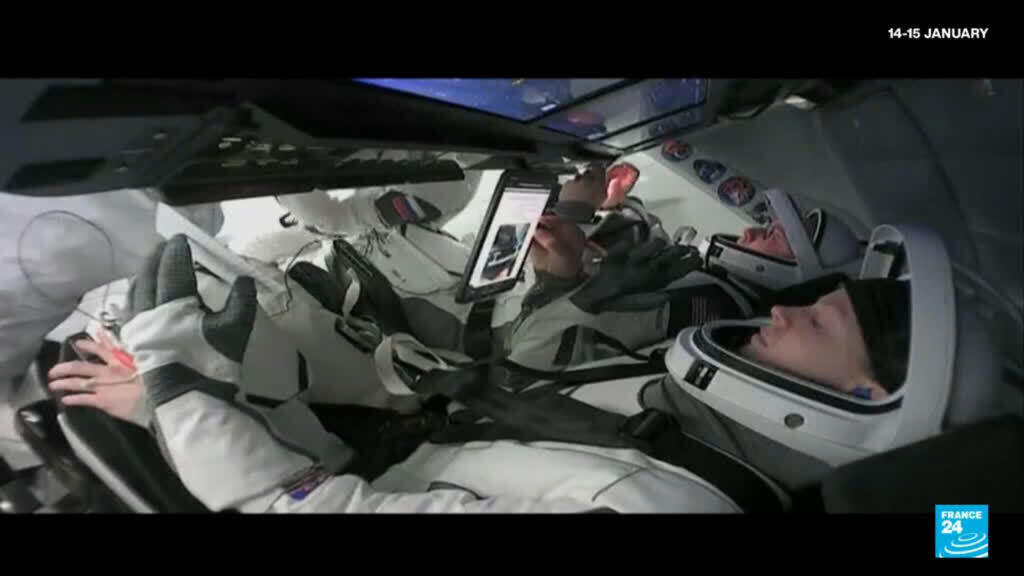
Crew 11- comprising US astronauts Zena Cardman, 38, and Mike Fincke, 58, Japanese astronaut Kimiya Yui, 55, and Russian cosmonaut Oleg Platonov, 39 - safely returned to Earth on January 15 from the International Space Station. After a medical issue forced one crew member to end the mission early, the team spoke publicly about their experience for the first time on Wednesday. Daniel Quinlan reports.

14m
3 min
0
Read Article
عمدة بوردو يقبل الوساطة في خلاف حول الشفافية المالية
Politics

عمدة بوردو يقبل الوساطة في خلاف حول الشفافية المالية

قبل عمدة بوردو توماس كازناف وساطة اقترحتها المحكمة لحل خلاف مع المعارضة حول الشفافية المالية، حيث تركز النزاع على مطالبة المعارضة بجدول تفصيلي للإنفاقات والاستثمارات.

14m
5 min
0
Read Article
US to transfer Islamic State prisoners from Syria to Iraq
World_news

US to transfer Islamic State prisoners from Syria to Iraq

The US military has started transferring up to 7,000 Islamic State (IS) detainees from prisons in northeastern Syria to Iraq, as Syria’s new government asserts control over territories long governed autonomously by Kurdish-led forces. US Central Command (Centcom) reported that 150 IS fighters have already been moved from Hassakeh province to a “secure location” in Iraq. Charlotte Lam reports.

16m
3 min
0
Read Article
معهد سياسة البيتكوين، فيدي، وجامعة كورنيل يدرسون وجهات النظر الأمريكية حول الخصوصية المالية
Cryptocurrency

معهد سياسة البيتكوين، فيدي، وجامعة كورنيل يدرسون وجهات النظر الأمريكية حول الخصوصية المالية

أطلق معهد سياسة البيتكوين، فيدي، وجامعة كورنيل مبادرة بحثية جديدة لدراسة وجهات النظر الأمريكية حول الخصوصية المالية، في وقت تتزايد فيه المراقبة التنظيمية.

32m
5 min
7
Read Article
تجميد المنح... وتتحمل المجتمعات تكاليف الفشل
Environment

تجميد المنح... وتتحمل المجتمعات تكاليف الفشل

في سوجيت، إلينوي، تم إلغاء منحة بقيمة 500 ألف دولار لمراقبة جودة الهواء، مما ترك السكان مع صحة سيئة وبدون دليل على مصدر التلوث.

47m
6 min
12
Read Article
🎉

You're all caught up!

Check back later for more stories

العودة للرئيسية