M
MercyNews
Home
Back
Операции ICE вызывают страх у детей в Твин-Сити
Политика

Операции ICE вызывают страх у детей в Твин-Сити

NPR News1h ago
3 мин чтения
📋

Ключевые факты

  • Агрессивные операции ICE в Миннесоте создали атмосферу страха, которая напрямую затрагивает детей в районе Твин-Сити.
  • Многие семьи решили ограничить себя в своем доме в качестве защитной меры, что значительно изменило их повседневные рутины и жизнь детей.
  • Дети по всему Твин-Сити испытывают повышенный уровень тревоги и страха в результате продолжающихся операций.
  • Психологическое влияние на молодых жителей включает стресс, ограничения и нарушение нормальной детской деятельности и социальных взаимодействий.
  • Динамика сообщества изменилась, так как семьи избегают общественных мест и рутинных мероприятий для минимизации воспринимаемых рисков.
  • Ситуация представляет собой значительное нарушение стабильной среды, необходимой детям для здорового развития и благополучия.

Краткое изложение

По всему Твин-Сити атмосфера страха охватила районы, поскольку агрессивные операции ICE продолжаются по всей Миннесоте. Наиболее остро это влияние ощущают самые молодые жители, которые испытывают беспрецедентный уровень тревоги и стресса.

Многие семьи приняли трудное решение оставаться в помещении, фактически ограничивая своих детей в доме. Этот сдвиг в повседневной жизни создал эффект домино, при котором дети несут эмоциональную тяжесть ситуации, которую они не могут полностью понять.

Атмосфера страха

Продолжающиеся операции кардинально изменили повседневный ритм жизни многих семей. То, что когда-то было рутинными поездками в школу, парки или продуктовые магазины, превратилось в расчетливый риск, взвешиваемый против воспринимаемой угрозы иммиграционного контроля.

Дети, которые по своей природе наблюдательны, улавливают напряжение и тревогу, которые чувствуют их родители. Это создает обратную связь стресса внутри дома, где внешний мир преподносится как место потенциальной опасности.

  • Дети ограничены в своем доме ради безопасности
  • Нормальная детская деятельность сокращается
  • Уровень стресса в доме значительно возрос
  • Доверие сообщества и социальные связи напряжены

"По всему Твин-Сити дети тревожны и напуганы."

— Источник контента

Влияние на детей

Психологическая цена для молодых людей огромна. Тревога и страх стали распространенными эмоциональными состояниями для детей, которые достаточно взрослые, чтобы понимать ситуацию, но еще слишком молоды, чтобы осознать ее сложности.

Эксперты по развитию отмечают, что длительное пребывание в такой среде может иметь долгосрочные последствия для чувства безопасности и благополучия ребенка. Неспособность заниматься нормальной социальной и образовательной деятельностью еще больше усугубляет эти проблемы.

По всему Твин-Сити дети тревожны и напуганы.

Ситуация представляет собой значительное нарушение стабильной среды, необходимой детям для здорового развития. Постоянное состояние бдительности и ограничений создает атмосферу, противоречащую беззаботной природе детства.

Реакция сообщества

Сообщество Твин-Сити сталкивается с видимыми и невидимыми последствиями этих операций. Районы, которые когда-то казались открытыми и гостеприимными, теперь для многих жителей ощущаются неопределенными.

Местные организации и лидеры сообщества наблюдают за изменениями в повседневной жизни и эмоциональной нагрузкой, которую несут семьи. Решение оставаться дома не принимается легкомысленно, а скорее как защитная мера для детей, которые испытывают прямое эмоциональное влияние ситуации.

Коллективный опыт тревоги перестраивает динамику сообщества, влияя на то, как семьи взаимодействуют со своим окружением и друг с другом. То, что когда-то было рутинной частью жизни, стало источником значительного стресса и планирования.

Человеческая цена

За статистикой и политическими дискуссиями лежит человеческая история прерванного детства. Операции создали среду, где простой акт выхода на улицу взвешивается против потенциальных последствий.

Для детей это переводится в мир, который кажется меньшим и более угрожающим. Нормальное исследование и социальное взаимодействие, которые необходимы для взросления, заменяются осторожностью и ограничениями.

  • Для некоторых семей детские площадки и парки пустуют
  • Посещение школы становится источником тревоги
  • События сообщества избегаются
  • Семейные прогулки редки или отсутствуют

Эмоциональный ландшафт детства в этих пострадавших районах был кардинально изменен, когда страх и неопределенность стали нежеланными спутниками повседневной жизни.

Взгляд в будущее

Продолжающаяся ситуация в Миннесоте продолжает влиять на повседневную жизнь и эмоциональное благополучие детей в Твин-Сити. Влияние этого периода, вероятно, будет ощущаться долго после завершения операций.

Поскольку сообщество преодолевает эти вызовы, благополучие детей остается в центре внимания. Необходимость в стабильности, безопасности и нормальности имеет первостепенное значение для молодых жителей, которые испытывают беспрецедентный уровень стресса и ограничений.

История детей Твин-Сити — это история стойкости перед лицом невзгод, но также и напоминание о глубоком влиянии, которое политические решения могут оказать на самых уязвимых членов общества.

Часто задаваемые вопросы

Что происходит в Твин-Сити в отношении операций ICE?

Агрессивные операции ICE продолжаются по всей Миннесоте, создавая широко распространенный страх и тревогу среди жителей. Многие семьи, особенно с детьми, предпочитают оставаться в помещении, чтобы избежать потенциальных столкновений с иммиграционным контролем.

Как эти операции влияют на детей?

Дети в Твин-Сити испытывают значительную тревогу и страх. Многие ограничены в своем доме, не могут участвовать в нормальной детской деятельности, такой как посещение школы, парков или общественных мероприятий, что вызывает стресс и нарушает их развитие.

Как сообщество реагирует на эту ситуацию?

Сообщество наблюдает фундаментальный сдвиг в повседневной жизни, когда семьи меняют рутины и избегают общественных мест. Растет беспокойство по поводу эмоционального и психологического воздействия на детей, которые несут бремя ситуации, которую они не могут полностью понять.

Каковы долгосрочные последствия для пострадавших семей?

Продолжительное ограничение и стресс, вероятно, окажут долгосрочное влияние на чувство безопасности и благополучия детей. Нарушение нормальных детских переживаний и социального развития в этот период может иметь значительные последствия для их будущего эмоционального здоровья.

Continue scrolling for more

Угроза бойкота ЧМ-2026 со стороны Европы
Politics

Угроза бойкота ЧМ-2026 со стороны Европы

Европейские футбольные федерации рассматривают бойкот ЧМ-2026 из-за недовольства Дональдом Трампом, повторяя протесты в России и Катаре. Это может объединить европейские нации и повлиять на турнир.

52m
5 min
6
Read Article
Ньюсом обвинил Трампа в отмене своего выступления в Давосе
Politics

Ньюсом обвинил Трампа в отмене своего выступления в Давосе

Губернатор Калифорнии Гэвин Ньюсом обвинил администрацию Трампа в отказе допустить его к американскому объекту на Всемирном экономическом форуме в Давосе, что привело к отмене его выступления.

53m
5 min
6
Read Article
Мэр Бордо согласился на посредничество в споре о прозрачности бюджета
Politics

Мэр Бордо согласился на посредничество в споре о прозрачности бюджета

Мэр Бордо Тома Казенав согласился на посредничество суда для разрешения спора с оппозицией о прозрачности бюджета. Конфликт возник из-за отказа предоставить детальные таблицы расходов и инвестиций города.

53m
5 min
6
Read Article
США передают 7000 заключенных ИГИЛ в Ирак на фоне смены власти в Сирии
World_news

США передают 7000 заключенных ИГИЛ в Ирак на фоне смены власти в Сирии

Военные США начали передачу до 7000 задержанных ИГИЛ из Сирии в Ирак на фоне установления контроля сирийским правительством над территориями, ранее управляемыми курдскими силами.

55m
5 min
6
Read Article
Whole milk is gross. I don't care what RFK says.
Politics

Whole milk is gross. I don't care what RFK says.

Whole milk, yuck. Getty Images; BI The government's latest dietary guidelines suggest people drink whole milk instead of low-fat. This matters a lot for school lunches, where whole milk will get top billing. But for the rest of us: Who actually prefers sludgy, thick whole milk over crisp skim? Yuck! I refuse the long arm of the government's reach into my refrigerator: I'm not drinking whole milk! And I readily accept that food is political, so the fact that the latest dietary guidelines from the US government — which say to drink whole milk instead of skim — are being seen as the latest political battle isn't a surprise. But there's something in the latest whole milk debate that is truly confusing to me. It's that … whole milk isn't very good? And I don't think many of us have felt we couldn't drink it because of government guidelines. We just don't like it! Whole milk as a win for freedom? Secretary of Health and full-fat dairy booster Robert Kennedy Jr. is a polarizing figure, so people are going to interpret this kind of video in a way that fits their worldview: 🥛 pic.twitter.com/QUeSfR7EC8 — Secretary Kennedy (@SecKennedy) January 15, 2026 The government is positioning this change as people being desperate to drink whole milk but feeling they weren't allowed to. That they were forced to settle for skim or 2% milk, and finally, thanks to the Trump administration, are allowed the verboten pleasures again. Here's MY beef: Whole milk is gross. Whole milk is too sludgy, too thick. It always kind of smells like it's on its way to turning sour. I find the white residue it leaves on the sides of a glass off-putting. Yuck. One-percent milk is crisp, drinkable, watery, cold, and refreshing. Great to drink on its own or as a bath for cereal. Personally, I think skim is too watery, and 2% too close to whole, but I accept those options as well. For me, it's not any fear of fat intake that has kept me from buying whole milk; it's that whole milk is stinky and gross. I should note here that the health benefits of whole vs. low-fat milk are a living, breathing debate. Whole milk has more saturated fat, which is potentially "bad," but it has more vitamins and enzymes or whatever, which are potentially "good." (Disclaimer: I'm not a scientist here, people! Don't trust me — do your own research.) If you're truly interested in learning more about the details of the health benefits of dairy, I suggest you read this instead of listening to me whine about my personal milk preference. Don't listen to me about healthy food choices; my doctor shook her head sadly and said "noooooo" when I told her what kinds of garbage I typically eat for dinner (yes, my cholesterol is high). For me, worrying about the milkfat content of my cereal is like worrying about which multivitamin brand to buy when I often go days without eating a fresh vegetable. I'm stuffing so many chemicals and processed garbage down my gullet on the reg that any kind of milk is the healthiest thing I'll consume by far. Robert F. Kennedy presents the new "Dietary Guidelines for Americans," which include favoring whole milk. Yuck. Anna Moneymaker/Getty Images Yes, I'm sure there are some of you out there who are adult whole milk fans and prefer it over skim. Like whole milk? Know that I see you, I accept you, and you are valid. It's fine to have a taste preference. But I simply don't believe there are throngs of adults out there who've been feeling forced to choke down 2% when they were dying for whole milk. You're a grownup! Buy whatever milk you like! Of course, the main point of the latest guidelines isn't really aimed at making suggestions to adults. The actionable part of the guidelines is that they inform the rules for federal food programs for kids, like the National School Lunch Program, which previously only allowed low-fat milk options. I don't really care if a kid prefers whole or skim milk with their sloppy Joe or PB&J — either option seems better to me than chocolate milk, which, according to my own elementary school children, is what everyone chooses at lunch anyway. If the government is going to start meddling more with school lunches, frankly, I'd welcome them to start with the abusive fee structure in some of the digital lunch payment systems that many districts have adopted. My kids' school uses a payment provider for lunches that charges a $3.50 fee every time you add money to your kid's account (and requires separate accounts per sibling). President Trump, please look into that. For me, I am not going to change my milk-drinking ways. I was raised in a 1% household. I will continue to buy 1% because it's delicious, and whole milk is gross, and Uncle Sam can't tell me what to do. Read the original article on Business Insider

55m
3 min
0
Read Article
Student-loan forgiveness for public servants is at risk under Trump's plan to ax cheaper monthly payments, Democratic lawmakers say
Politics

Student-loan forgiveness for public servants is at risk under Trump's plan to ax cheaper monthly payments, Democratic lawmakers say

Sen. Jeff Merkley raised concerns about ending the SAVE student-loan repayment plan. Chip Somodevilla/Getty Images A group of Democratic lawmakers raised concerns with Trump's proposed settlement to eliminate the SAVE plan. They said that abruptly moving student-loan borrowers off of SAVE could put PSLF debt relief at risk. The department said borrowers would have a limited time to begin repayment once SAVE is gone. Millions of student-loan borrowers could soon be forced off a key repayment plan — and debt relief is on the line. On Thursday, a group of Democratic lawmakers, including Sens. Jeff Merkley, Elizabeth Warren, Sheldon Whitehouse, and Tim Kaine, led their colleagues in raising concerns regarding the Department of Education's proposed settlement to end the SAVE student-loan repayment plan. Over 7 million borrowers are enrolled in SAVE, which was created by former President Joe Biden and intended to give borrowers cheaper monthly payments with a shorter timeline to loan forgiveness. Litigation halted the plan in 2024, and President Donald Trump's administration recently announced a proposed settlement that would effectively eliminate the plan and require borrowers to transfer to an existing plan with higher payments. Trump's "big beautiful" spending legislation called for eliminating SAVE by 2028, and this settlement would accelerate that timeline. The lawmakers wrote in a letter to Education Secretary Linda McMahon that borrowers are likely to face "significant hurdles" switching to a new plan, and those enrolled in the Public Service Loan Forgiveness program — which forgives student debt for government and nonprofit workers after 10 years — are at heightened risk. "Forcing these borrowers to transition out of SAVE with little guidance risks further lost time to debt relief and payment increases that could render continued public service untenable," the lawmakers wrote. Business Insider wants to hear about the challenges, successes, and unique experiences you're facing with your student loans. Do you have a story to share? Please fill out this form, and we'll be in touch. Read more of our student-loan coverage: Student-loan borrowers are gearing up for higher monthly payments after Trump moves to ax their affordable plan: 'I'm bracing for an astronomical bill' How Trump's big spending bill will overhaul repayment for millions of student-loan borrowers Student-loan borrowers behind on payments are getting a major break Borrowers have not received credit toward PSLF while on the SAVE forbearance. While resuming payments on a different income-driven repayment plan would count toward PSLF, the lawmakers wrote that transitioning millions of borrowers to a new plan in a short timeframe would be a significant administrative burden, and they requested that the Department of Education give borrowers at least six months to switch to a new plan before their next payment comes due. The department wrote in its press release that SAVE borrowers "will have a limited time" to select a new repayment plan. Under Secretary of Education Nicholas Kent said in a statement at the time that "American taxpayers can now rest assured they will no longer be forced to serve as collateral for illegal and irresponsible student loan policies." A slew of changes is on the horizon for student-loan borrowers. While borrowers are still waiting for a court to approve the SAVE settlement, provisions of Trump's spending legislation — including new repayment plans and borrowing caps — are set to be rolled out beginning in July. Those changes come as over 5 million borrowers are in default on their student loans, following the Trump administration's resumption of collections in May 2025 after a five-year pause. The Education Department announced last week that it is temporarily pausing wage garnishment and tax refund seizures for defaulted borrowers. Still, Democratic lawmakers said in their letter that SAVE borrowers are at risk of defaulting should they face challenges transitioning to a new plan. "It is imperative the Department take every action possible to ensure the 7 million borrowers currently enrolled in SAVE are provided with the information and resources necessary to avoid delinquency or default in order to avoid an even bigger default crisis," they wrote. Read the original article on Business Insider

55m
3 min
0
Read Article
Israeli fire kills 11 in Gaza: Three journalists among the dead
Politics

Israeli fire kills 11 in Gaza: Three journalists among the dead

In Gaza on Wednesday, Israeli forces killed 11 Palestinians in multiple attacks, including a strike on a vehicle carrying three journalists documenting a new displacement camp. Since the ceasefire took effect on October 10, both sides have frequently accused each other of violating the agreement, Gabrielle Nadler reports.

56m
3 min
0
Read Article
Capitalism as we know it is having an identity crisis — and you're caught in the middle
Economics

Capitalism as we know it is having an identity crisis — and you're caught in the middle

Getty Images; Tyler Le/BI From Davos to Washington to America's high school classrooms, people are questioning the foundations of our economic system — and we at Business Insider are tracking what the fight over the future of capitalism means for your work, your wealth, and your world. Polls show Americans' trust in capitalism is falling fast, as daily life has grown more expensive and less secure. Our own recent survey of readers found that people are worried their wages aren't keeping up with their expenses, that housing feels out of reach, and that the whole system seems shaky. Many employers are leaning even more heavily into a capitalistic approach, deemphasizing loyalty and tenure in favor of ruthless meritocracy. Meanwhile, the US government has taken a more hands-on role in the economy, becoming a shareholder in several companies and upending its place in the capitalist system. As questions about the state of capitalism grow, leaders are pitching competing visions of the economy's future. President Trump told a room full of CEOs, executives, and media figures at Davos this week that the US is reshaping the rules to make sure the country comes out of this period of transition "bigger and better than before." Some are pushing for reform, like California governor Gavin Newsom, who called for a "rules-based, competitive" model at Davos. Others, like New York City's self-described socialist mayor Zohran Mamdani, want to rethink the system from the ground up — and have a lot of voters on board. While capitalism's future hangs in the balance, Business Insider is digging in. We're exploring how and why the system is being reshaped — by government policy, by companies, and by you. Tell us what you think about the future of capitalism. Test your own understanding. And stick with us as we track how this system is evolving in real time, and what it will look like next. Read the original article on Business Insider

57m
3 min
0
Read Article
Donald Trump backs down on Greenland
Politics

Donald Trump backs down on Greenland

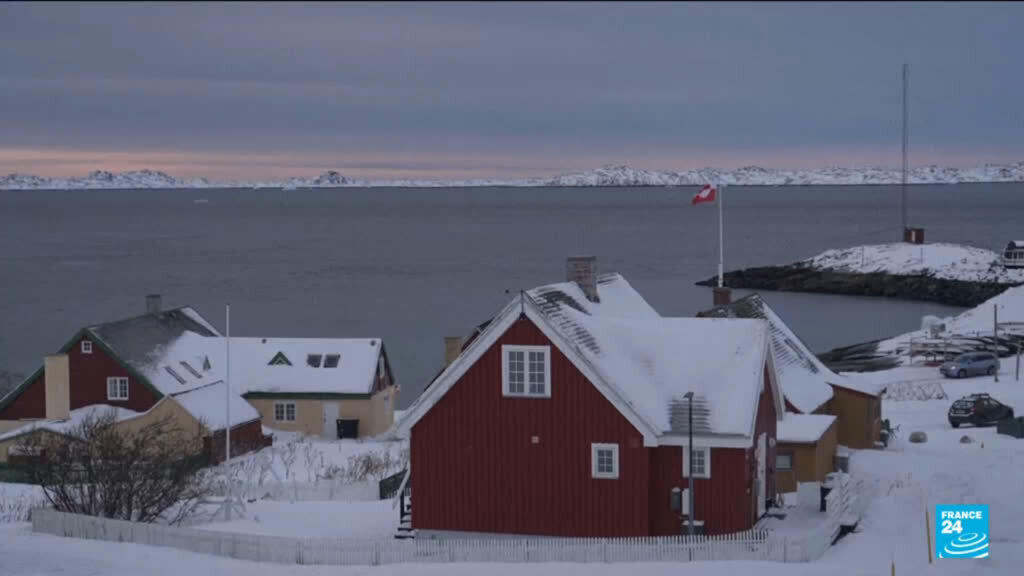
Donald Trump says he is moving toward a deal on Greenland following discussions with NATO chief Mark Rutte. The US president had earlier declined to rule out the use of military force to acquire the territory from Denmark, a NATO member—a stance many experts warned could threaten the alliance’s cohesion. Ellen Gainsford reports.

58m
3 min
0
Read Article
Ukrainian's Zelensky to meet with Trump in Davos
Politics

Ukrainian's Zelensky to meet with Trump in Davos

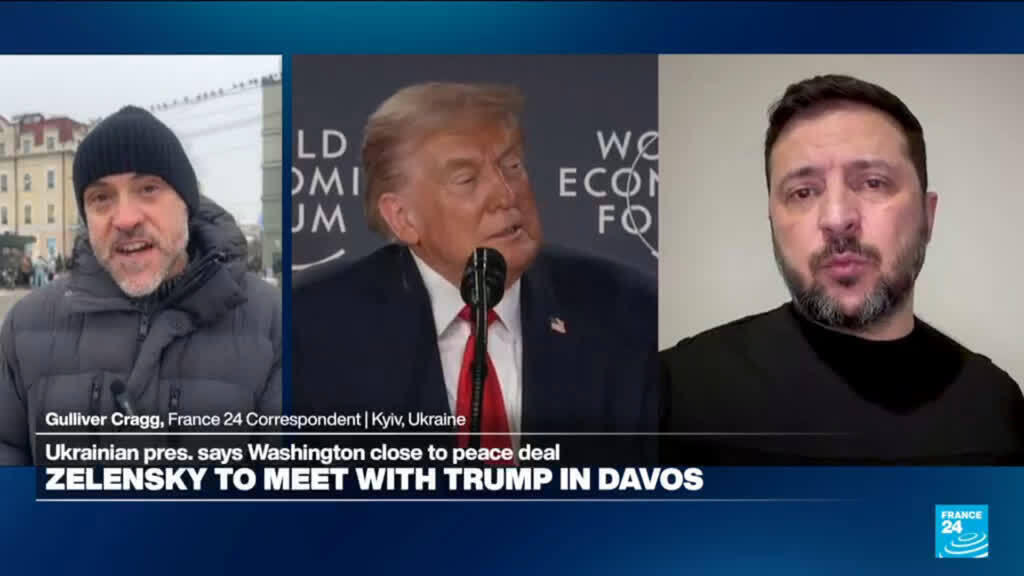
The president of Ukraine heads to Davos as NATO-backed Greenland deal takes center stage at The World Economic Forum. Meanwhile, the leaders of the EU’s 27 member states are set to gather in Brussels later today for an informal emergency meeting on transatlantic relations. France24 International affairs editor Philip Turle and France24 correspondent Gulliver Cragg from Kyiv join for more.

59m
3 min
0
Read Article
🎉

You're all caught up!

Check back later for more stories

На главную