M
MercyNews
Home
Back
Jantares Virtuais da Família Superam a Distância da Faculdade
Lifestyle

Jantares Virtuais da Família Superam a Distância da Faculdade

Business Insider1h ago
3 min de leitura
📋

Fatos Principais

  • A família manteve os jantares de domingo à noite por anos, independentemente de cronogramas esportivos, competições de natação ou prazos de tarefas.
  • Depois que seus filhos foram para a faculdade, a mãe criou noites virtuais mensais de pizza para preservar a conexão familiar.
  • O sistema envolve pedir entregas simultâneas de pizza para os dormitórios enquanto se conectam via FaceTime durante a refeição.
  • Companheiros de quarto e amigos são bem-vindos à mesa virtual, criando um maior senso de comunidade em torno da tradição.
  • Essa abordagem proporciona conversas mais significativas do que as típicas mensagens de texto de verificação entre pais e estudantes universitários.
  • A mãe planeja continuar essa tradição indefinidamente, independentemente de onde seus filhos eventualmente se estabeleçam geograficamente.

Resumo Rápido

Tradições familiares frequentemente enfrentam seu maior teste quando os filhos deixam a casa para a faculdade. Para uma mãe, o fim dos jantares familiares de domingo criou um vazio que simples ligações telefônicas não podiam preencher.

O que começou como um experimento mensal de convivência virtual evoluiu para uma tradição sustentável que mantém seus filhos conectados às suas raízes, independentemente da distância.

A Mesa Vazia

Por anos, os jantares familiares de domingo à noite eram inegociáveis na casa dos Struble. Se o Packers garantisse outra vitória, uma competição de natação se estendesse, ou as tarefas se acumulassem para a manhã de segunda-feira, aquela refeição compartilhada permanecia sagrada.

Quando seus dois filhos foram para a faculdade, os domingos tranquilos se tornaram mais sombrios. Enquanto ela e seu marido podiam desfrutar de um jantar tranquilo com vinho, algo essencial estava faltando.

A refeição precisava do tempero da resposta sarcástica dos meus filhos, de uma gargalhada e até daquele olhar de desdém persistente.

A ausência de sua energia distintiva transformou o ritual semanal em um lembrete do que havia sido perdido. O simples ato de comer juntos proporcionava uma janela para suas personalidades em desenvolvimento e perspectivas crescentes.

"A refeição precisava do tempero da resposta sarcástica dos meus filhos, de uma gargalhada e até daquele olhar de desdém persistente."

— Cristine Struble

Uma Solução Digital

Reconhecendo que a distância geográfica não deveria romper os laços familiares, ela desenvolveu uma abordagem inovadora para manter sua conexão. A noite virtual de pizza mensal tornou-se a resposta para preservar sua tradição.

O sistema opera com simplicidade e eficiência:

  • Ela seleciona um dia e horário específicos a cada mês
  • Ela compila os pedidos de pizza para seus filhos e seus companheiros de quarto
  • Todos recebem a entrega simultânea em seus dormitórios
  • Eles se conectam via FaceTime para comer e conversar juntos

Seu filho mais velho prefere coberturas com muita carne, enquanto seu irmão mais novo gosta de variedade, então ela pede pizza suficiente para todos—including todos os companheiros de quarto e amigos que possam estar presentes.

Todos são família na mesa.

Enquanto ela não força os convidados a participarem da conversa, todos devem respeitar as "regras" estabelecidas do encontro.

Além da Conexão Superficial

O formato de chamada de vídeo proporciona uma interação mais significativa do que os típicos textos de verificação. Em vez de respostas de uma palavra, ela obtém respostas genuínas e risadas compartilhadas através da tela.

Alguns podem ver as entregas de pizza como uma forma de suborno para interação, mas a mãe vê de maneira diferente. Ela reconhece que as tradições familiares vão além dos feriados e aniversários principais—fazer tempo um para o outro permanece vital, e a comida serve como o catalisador perfeito.

Ao longo dos anos, essas refeições compartilhadas revelaram insights profundos sobre o desenvolvimento de seus filhos:

  • Compreensão mais profunda de relacionamentos pessoais
  • Apreciação por diferentes culturas
  • Interesse crescente na história familiar

Ouvir suas escolhas de palavras, observar a construção de seus argumentos e até mesmo observar seus momentos silenciosiosos proporciona mais insight do que qualquer ligação telefônica ou mensagem de texto poderia quando eles estão longe de casa.

Uma Tradição com Futuro

A noite mensal de pizza provou ser suficientemente bem-sucedida para que ela planeje continuar muito depois que seus filhos se formarem. Se um acabar na Flórida ou o outro do outro lado do mundo, a tradição pode se adaptar.

A pizza—ou qualquer versão de pão plano—existe virtualmente em todo o mundo, eliminando desculpas para pular o jantar. Mesmo em um navio cruzeiro no meio do oceano, a noite de pizza familiar permanece no cronograma.

Não importa como eu fatie, o conceito funciona.

Para pais que buscam manter laços familiares fortes, soluções criativas nos rodeiam. Seja pizza, biscoitos da vovó ou um Big Mac, a comida permanece uma forma universal de comunicação que transcende a distância.

Pontos Principais

Esta história demonstra que tradições familiares podem evoluir com a tecnologia mantendo seu propósito essencial. O jantar virtual mensal proporciona mais do que sustento—ele nutre a conexão familiar.

A abordagem se mostra particularmente eficaz para estudantes universitários que, de outra forma, poderiam se afastar para um contato mínimo. Combinando o apelo universal da pizza com a intimidade das chamadas de vídeo, essa mãe criou um modelo sustentável para laços familiares à distância.

O mais importante, a tradição reforça que experiências compartilhadas importam mais do que proximidade física. O tempo passado juntos, mesmo virtualmente, nutre relacionamentos muito além da comida servida no prato.

"Todos são família na mesa."

— Cristine Struble

"Não importa como eu fatie, o conceito funciona."

— Cristine Struble

Perguntas Frequentes

Como funciona o jantar familiar virtual?

A mãe pede pizzas para os dormitórios de seus filhos em uma data e horário mensal específicos, garantindo entrega simultânea. Eles então se conectam via FaceTime para comer e conversar juntos, mantendo a tradição do jantar familiar apesar da distância física.

Por que manter os jantares familiares era importante?

Os jantares de domingo eram uma tradição familiar sagrada por anos, proporcionando uma oportunidade consistente de conexão independentemente de cronogramas ocupados. Quando os filhos foram para a faculdade, a mãe sentiu falta das interações autênticas e dos insights que vinham de compartilhar refeições juntos.

Quem participa dos jantares virtuais?

Os participantes principais são a mãe e seus dois filhos universitários, mas companheiros de quarto e amigos também são bem-vindos à mesa virtual. A mãe pede pizza suficiente para todos os presentes e incentiva a participação na conversa.

Essa tradição continuará após a faculdade?

Sim, a mãe planeja manter a tradição da noite mensal de pizza muito depois que seus filhos se formarem. Ela acredita que a pizza ou pães planos semelhantes estão disponíveis em todo o mundo, tornando possível continuar independentemente de futuras localizações.

Continue scrolling for more

IA transforma a pesquisa e as provas matemáticas
Technology

IA transforma a pesquisa e as provas matemáticas

A inteligência artificial está se tornando uma realidade na matemática. Modelos de aprendizado de máquina agora geram teoremas originais, forçando uma reavaliação da pesquisa e do ensino.

Just now
4 min
388
Read Article
Politics

Trump accounts get supercharged by employer matches — some companies offer up to $1,000

A growing number of large employers have announced that they will match contributions to Trump accounts for their employees.

19m
3 min
0
Read Article
Apple to ‘unveil’ results of Google Gemini partnership as soon as next month: report
Technology

Apple to ‘unveil’ results of Google Gemini partnership as soon as next month: report

Earlier this month, Apple and Google officially announced that they’d be partnering together. Apple has long struggled with its own model development, so now, Google Gemini models will power future Apple Intelligence features, using Apple’s private cloud compute servers. Today, Bloomberg’s Mark Gurman reports that this partnership is on track to debut in iOS 26.4 beta as soon as next month, and Apple plans to demonstrate the features to the public in some capacity. He also reports some interesting new details on how this partnership came to be. more…

21m
3 min
0
Read Article
“An electrical ceasefire is needed”: warnings as Russia targets Ukraine’s power grid
Politics

“An electrical ceasefire is needed”: warnings as Russia targets Ukraine’s power grid

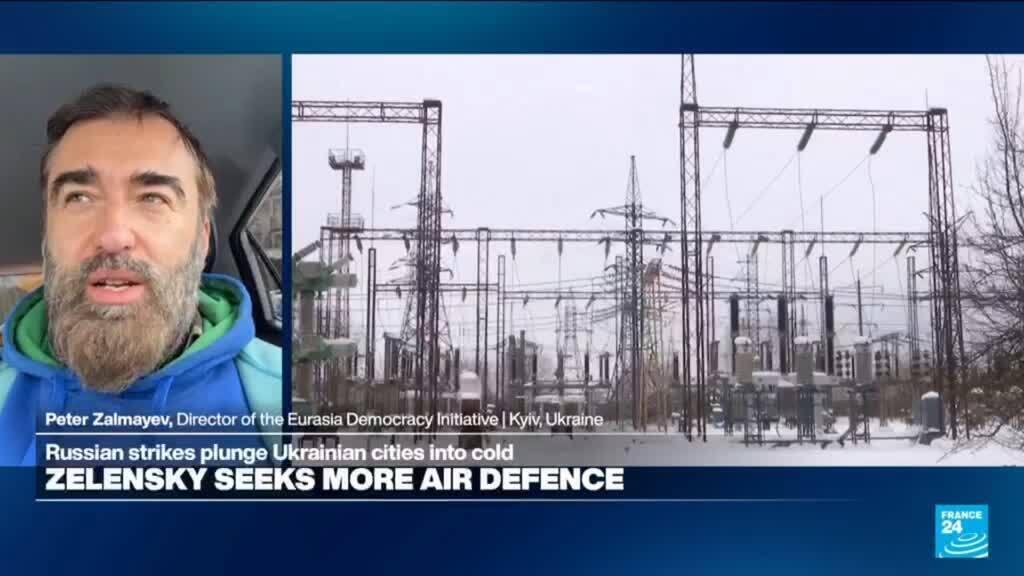
Russia’s strikes have hit Ukraine’s power infrastructure, leaving many communities without heat and electricity. For more, France 24’s Catherine Viette is joined by Peter Zalmayev from the Eurasia Democracy Initiative.

27m
3 min
0
Read Article
A look back at 19 of the biggest winter storms to hit the US in the last century
Science

A look back at 19 of the biggest winter storms to hit the US in the last century

Over 30 US states are preparing for Winter Storm Fern. New York Daily News Archive/NY Daily News via Getty Images Historic blizzards have caused fatalities, major damage, and lasting infrastructure changes. The Great Appalachian Storm of 1950 killed 383 people and dropped 62 inches of snow in some areas. A staggering 189 inches of snow fell on Mount Shasta, California, in 1959. The US is experiencing a potentially historic winter storm. As Winter Storm Fern sweeps across the country this weekend and into the start of the week, more than half of the US states are expected to be impacted by severe wintry weather, including ice, heavy snow, and dangerously cold wind chills. The worst snowstorms in the US since the 1920s have killed hundreds of people, caused billions of dollars worth of damage, and, for many who lived through them, been impossible to forget. Many of them have been blizzards. Meteorologist David Stark told The New York Times that means winds are at least 35 mph and visibility is less than 1/4 mile. As we wait to see the impact of this weekend's monster snowstorm, here are some of the worst snowstorms in recent US history. The Knickerbocker Storm of 1922 Buyenlarge/Getty Images From January 27 to January 29, this blizzard, which traveled up from the southeast US and centered on Washington, DC, dropped 24 inches of snow. Residents had no warning of the storm. On January 26, the Washington Times had predicted fair weather with slowly rising temperatures, per the National Endowment for the Humanities. The snowstorm was named Knickerbocker after the Knickerbocker Theatre in Washington, which collapsed because of the snow's weight on the theater's roof. The collapse killed 98 people who were inside watching a silent film called "Get Rich Quick, Wallingford," and left another 133 injured. Afterward, building codes were updated to require stronger roof support structures. The Armistice Day Blizzard of 1940 John Vachon/Getty Images On November 11, a fierce winter storm battered the Upper Midwest. Without much warning, temperatures suddenly dropped, snow began to fall, and the "winds of hell" — as reported by the Milwaukee Journal Sentinel — began to blow. As much as 26.6 inches of snowfall were recorded, the National Weather Service said. According to a hunter who was stranded during the storm, only the tops of telephone poles could be seen above the snow, the St. Cloud Times reported. It came suddenly, catching people unaware, killing 49 people in Minnesota, per the Minnesota Star Tribune, and 150 in total. It also killed 1.6 million turkeys. The storm had lasting repercussions. To help with accuracy, local weather forecasting moved out of cities like Chicago to be more local so they could provide better predictions. The Great Appalachian Storm of 1950 AP Photo Starting November 24, 22 states felt the wrath of this slow-moving blizzard that the Washington Post called a "meteorological powerhouse." It's also been called the Great Thanksgiving Storm. The snowstorm covered an area from West Virginia to Pennsylvania and buried parts of it under as much as 62 inches of snow, per the National Centers for Environmental Information. High winds with gusts of up to 160 mph knocked over trees and caused almost 1 million power outages. It killed at least 383 people, caused hundreds of millions of dollars' worth of damage (in today's money), and became a weather prediction case study. Two cyclone researchers said it was the "benchmark" storm against which all other major 20th-century storms could be compared. The six-day snowstorm on Mount Shasta in 1959 Buyenlarge/Getty Images Beginning on February 13, and going for six days, 189 inches (about 16 feet) of snow fell on Mount Shasta, California. It holds the world record for the most snow falling in a single snowstorm, according to the Chicago Tribune. Since it fell on an uninhabited mountain, no deaths occurred. The Chicago Blizzard of 1967 Robert Abbott Sengstacke/Getty Images On January 26 and 27, Chicago saw its highest snowfall on record, with 23 inches, along with 53 mph wind gusts. The storm caught the city off guard, as it had experienced warm temperatures only two days earlier. The sudden, heavy fall left 50,000 cars abandoned, shops looted, and 650 students sleeping at school because buses couldn't get through the snow. Twenty-six people died, the Chicago Tribune reported. The 100-hour snowstorm of 1969 Boston Globe/Boston Globe via Getty Images From February 24 to February 27, snow fell in the northeast for 100 hours — or four days — straight, as reported by WBUR. On the first day, 4 feet of snow fell on Mt. Washington, New Hampshire. Another 4 feet fell over the next few days. Boston was hit with 26.3 inches, and Portland, Maine, had 26.9. The National Oceanic and Atmospheric Administration rated this the worst snowstorm of the century based on factors including the amount of snow, the area affected, and the number of people affected. But the most important factor was its size — the storm was 4.5 times larger than the 1993 "storm of the century." However, it's a relatively unknown storm, since much of it was outside the northeast corridor. The Blizzard of 1977 1/29/1977-Lafayette, IN- As far as the eye can see, abandoned vehicles line snowbound I-65 near Lafayette in Central Indiana. Hundreds of truckers and motorists hav taken refuge in nearby towns waiting a break in the bitter sub-zero cold to resume their travels. Bettmann / Getty On January 28, a massive blizzard hit the US. Along with heavy snowfall, there were 70 mph winds. The Los Angeles Times reported that the storm was "a so-called perfect storm, a once-in-a-generation weather system combining an unlikely compilation of high winds, avalanches of snow and frigid temperatures." This storm was brutal in Buffalo, New York, because snow had fallen for 28 days before the storm, piling up on Lake Erie, perfectly placed to be blown about. The storm remained in the region for three days, per WGRZ. So many people abandoned their cars that one in five vehicles was illegally parked or abandoned across Buffalo. The storm killed 29 people, and six of them died in their cars, The New York Times reported. The Great Blizzard of 1978 Barbara Alper/Getty Images On January 26 and 27, Ohio and the Great Lakes faced one of the worst snowstorms of the century. According to the National Weather Service, "This once-in-a-lifetime storm will always be the standard by which the severities of all future winter storms to hit this region are judged." It was a "bomb cyclone," which means it developed very quickly. To get the name, atmospheric pressure has to fall by 24 millibars within 24 hours. During this storm, wind chills plunged to -50 degrees Fahrenheit. Even though only 7 inches of snow fell in Cincinnati, it was hit hard because there were already 14 inches on the ground, and 60 mph winds channeled it into snowdrifts that towered up to 25 feet high, The Cincinnati Enquirer reported. Across the region, motorways closed, and roofs and telephone lines collapsed. The snowstorm killed 70 people and caused about $2 billion worth of damage. The Megalopolitan Blizzard of 1983 Newsday LLC/Newsday RM via Getty Images From February 10 to 12, this snowstorm hit a wide area from Virginia to New England. In Washington, three airports, bus stations, and the subway system all had to close. It was particularly memorable since, along with a heavy blanketing of snow, there was thunder, too. The Washington Post reported that the "thundersnow along the Eastern Shore produced extremely strong winds and whiteout conditions." It caused 25-foot waves in the Atlantic Ocean and 55 mph winds that capsized a coal-carrying boat, killing 34 people. The Storm of the Century, 1993 David A. Rogers/Staff Photographer Beginning on March 12, the US had what is commonly referred to as the worst snowstorm of the 20th century. Snow covered areas from Florida to Maine, affecting more than 100 million people. Winds reached 100 mph. The New York Times described it as "a monster with the heart of a blizzard and the soul of a hurricane." Power cuts plunged 2.5 million homes into darkness and cold. The storm killed 300 people and caused at least $2 billion worth of damage. NOAA classed it as a Category 5 storm. It was the second-highest rated snowstorm (despite its name) after the 100-hour snowstorm in 1969. In Syracuse, New York, just under 43 inches of snow fell, while 20 inches fell through much of the northeast. It caused swells that a Coast Guard official told the Washington Post looked like "a big washing machine." The Blizzard of 1996 Barbara Alper/Getty Images From January 6 to 10, this vicious storm forced then-President Bill Clinton to shut down the government and declare nine states and DC as disaster areas. Heavy snowfall blanketed much of the Eastern Seaboard. In one day, Virginia had 20 inches of snow, while Newark had 28 inches fall over several days, and Philadelphia had 30 inches. The storm caught some people off guard, the Washington Post reported, since snow stopped long enough that some forecasters said it was over, only for 40 mph winds and more snow to return. Buildings, including barns and a church in Harlem, New York, collapsed. Four people died from heart attacks while clearing snow, according to The New York Times. In total, 154 people died. The Presidents Day Storm of 2003 New York Daily News Archive/NY Daily News via Getty Images For three days in February, including Presidents Day, a snowstorm caused delays and deaths across much of the Northeast. It began as a rainstorm, before the wet weather met arctic cold air and turned to snow … a lot of snow. In Maryland, a state highway supervisor told Fox News, "It's no man's land out there. It looks more like Siberia than Maryland." New York got 19.8 inches of snow, while a lucky ski resort in Pennsylvania got 40 inches of snow. In Boston, 27.5 inches of snow fell in 24 hours, which broke the city's record for snowfall in a single day, per the National Centers for Environmental Information. The storm caused 28 deaths, and at least 2,000 flights were canceled. The Blizzard of 2006 Ramin Talaie/Corbis via Getty Images On February 11 and 12, a massive snowstorm 1,200 miles long and 500 miles wide blanketed much of the country, from North Carolina to Maine, The New York Times reported. Winds reached 60 mph, up to 27 inches of snow fell, and more than 220,000 homes lost power. The storm brought thunder and lightning, too, which is known as "thundersnow." Hundreds of flights were canceled, and thousands were delayed. Snowmageddon, 2010 JEWEL SAMAD/AFP via Getty Images On February 5 and 6, Washington, DC, turned white as snow fell uninterrupted for 30 hours, the Washington Post reported. Just over 32 inches of wet, heavy snow were recorded. The snow's weight caused power outages for 200,000 properties, as well as the collapse of several churches and an airport hangar. Virginia, Maryland, Delaware, and Pennsylvania all declared a state of emergency. It was named "Snowmageddon" by a group called Capital Weather Gang, because Washington wasn't equipped to deal with so much snow. The name was solidified when former President Barack Obama repeated it. The Christmas Blizzard of 2010 Andrew Burton/Getty Images On December 26 and 27, a blizzard blanketed New York City in up to 29 inches of snow, the New York Daily News reported at the time. Winds reached 60 mph, causing whiteout conditions, while tens of thousands of people lost power. Then-New York City Mayor Michael Bloomberg told reporters, "It's hard to stand up in a 55-mile-an-hour wind, and particularly when the ground under your feet is slippery, so this really is dangerous." While it wasn't as savage as some of the other snowstorms on this list, it hit just after Christmas, causing travel chaos. The "Snovember" Storm of 2014 Gabe Souza/Staff Photographer Beginning on November 17 and lasting 5 days, a snowstorm battered Buffalo, New York, burying it under more than 7 feet of snow, the Weather Channel reported. Highways closed, 14 people died, and former President Barack Obama signed a disaster declaration to provide federal aid. This snowstorm was particularly cruel to Buffalo because of Lake Erie. At the time, the water was still reasonably mild. This warm water met incoming arctic air, the coldest it had been for that time of the year since 1986, and the mixture caused an extreme amount of snow to fall. It wasn't just Buffalo, though. Temperatures in every US state fell below freezing. Winter Storm Jonas, 2016 New Yorkers brave the Brooklyn Bridge. The first snow falls throughout the early morning as New York prepares for historic East Coast Blizzard. Louise Wateridge/Pacific Press/LightRocket / Getty This January winter storm, also known as Snowzilla, as reported by the Washington Post, affected over 102 million people and killed 52. A massive amount of snow fell: 24 million people were estimated to have come in contact with over 20 inches. Glengary, West Virginia, had the most snowfall, with 42 inches. In North Carolina, the storm's ice and wind knocked out the power at 150,000 homes. In Delaware, wind gusts were recorded at 75 mph. New Jersey faced intense flooding, with water surging higher than it did during Hurricane Sandy. According to the NOAA, it was one of the most powerful snowstorms in the northeast in 60 years. The Bomb Cyclone of 2018 A woman struggles with bags as she walks through the empty streets of Boston as the snow begins to fall from a massive winter storm on January 4, 2018 in Boston, Massachusetts. Spencer Platt/Getty This was a rapidly developing storm in January that covered more than 2,500 miles across the US, affecting 60 million people, the BBC reported. Along with heavy snowfall and 50 mph winds, the coast was rocked by swells, made even worse by unusually high tides. In Boston, a 3-foot storm surge smashed against the city. The storm caused more than 1 million children to miss school, and 4,000 flights to be canceled, per The New York Times. The Polar Vortex of 2019 Pedestrians walk through the falling snow in the Financial District, January 30, 2019 in New York City. Drew Angerer / Getty In late January, cold air from the Arctic descended onto North America, killing 21 people. Almost 2,000 flights were canceled, hundreds of schools were closed, and hundreds of cases of frostbite and hypothermia were reported, per The Guardian. Across the Midwest, more than 30 cold temperature records were broken. Illinois got hit particularly hard, with the city of Rockford recording -31 degrees Fahrenheit. Wind chills in Minneapolis-St. Paul plunged to -65 degrees Fahrenheit. Read the original article on Business Insider

27m
3 min
0
Read Article
Politics

Macron calls for ban on social media for under-15s to be in place by September

According to France's health watchdog, one in two teenagers spends between two and five hours a day on their smartphone.

28m
3 min
0
Read Article
Exército da China investiga general de alto escalão Zhang Youxia
Politics

Exército da China investiga general de alto escalão Zhang Youxia

O exército da China anunciou uma investigação contra o general Zhang Youxia, uma figura sênior do Exército de Libertação Popular, por ações que supostamente minaram a liderança absoluta do partido sobre as forças armadas.

54m
5 min
1
Read Article
The great e-bike crackdown has begun
Politics

The great e-bike crackdown has begun

This is The Stepback, a weekly newsletter breaking down one essential story from the tech world. For more on the e-bike movement, follow Andrew J. Hawkins. The Stepback arrives in our subscribers' inboxes at 8AM ET. Opt in for The Stepback here. How it started Last week, I did something I don't typically do, which is call up one of my elected officials and yell at them about a new bill. New Jersey's car-brained lawmakers had just passed legislation that would impose heavy restrictions on e-bike ownership in the state, and I was livid. Obviously there's been a lot of concern about the growing number of teenagers being injured and killed w … Read the full story at The Verge.

54m
3 min
0
Read Article
3 Crateras Lunares para Explorar Hoje à Noite
Science

3 Crateras Lunares para Explorar Hoje à Noite

A fase de primeiro quarto da Lua oferece uma oportunidade perfeita para explorar três crateras lunares nomeadas em homenagem a astrônomos que revolucionaram nossa compreensão do céu noturno.

54m
5 min
1
Read Article
Undertone: Ian Tuason's Audio Horror Masterpiece
Entertainment

Undertone: Ian Tuason's Audio Horror Masterpiece

An immense sense of isolation underscores Ian Tuason's feature debut, the audio-driven horror smorgasbord 'Undertone.' Following an exhausted horror podcast host watching over her mother's deathbed, the film is initially terrifying thanks to its undercurrent of pulsing grief, rendered with subtlety and sleight of hand.

54m
5 min
1
Read Article
🎉

You're all caught up!

Check back later for more stories

Voltar ao inicio