M
MercyNews
Home
Back
Programa de Almoços Grátis da Indonésia Atinge 55 Milhões
Politica

Programa de Almoços Grátis da Indonésia Atinge 55 Milhões

South China Morning Post5h ago
3 min de leitura
📋

Fatos Principais

  • O programa de refeições nutritivas gratuitas alimentou mais de 55 milhões de pessoas em seu primeiro ano.
  • O programa oferece refeições gratuitas a escolares, bebês e mulheres grávidas.
  • O presidente Prabowo Subianto descreveu o programa como '99,9% bem-sucedido'.
  • Críticos levantaram preocupações sobre segurança alimentar, supervisão e disciplina fiscal.

Resumo Rápido

O programa de refeições nutritivas gratuitas da Indonésia conseguiu alimentar mais de 55 milhões de pessoas durante seu primeiro ano. O presidente Prabowo Subianto elogiou publicamente a iniciativa, descrevendo os resultados como '99,9% bem-sucedidos' e uma vitória significativa nos esforços do governo para combater a desnutrição infantil em todo o arquipélago.

O programa, que foi lançado com grande fanfare no ano passado, oferece refeições gratuitas a escolares, bebês e mulheres grávidas. A administração enquadra esse empreendimento massivo como um investimento a longo prazo na saúde e no futuro da nação. No entanto, a rápida expansão do programa atraiu críticas de várias frentes. Preocupações foram levantadas quanto à capacidade do programa de manter uma supervisão adequada e garantir que os padrões de segurança alimentar sejam cumpridos em uma escala tão massiva.

Escopo e Alcance do Programa

O programa de refeições nutritivas gratuitas representa uma das iniciativas de assistência social mais ambiciosas da história recente da Indonésia. Em apenas doze meses de operação, o programa conseguiu distribuir alimentos para um segmento massivo da população. Os alvos principais dessa iniciativa são as demografias mais vulneráveis do país: escolares, bebês e mulheres grávidas.

Ao focar nesses grupos específicos, o governo visa abordar déficits nutricionais em estágios críticos do desenvolvimento humano. A lógica por trás do programa é que a intervenção precoce pode gerar benefícios a longo prazo para a saúde pública e a produtividade econômica. A escala pura de alcance de mais de 55 milhões de pessoas destaca as capacidades logísticas mobilizadas pela administração para executar essa política.

Endosso Presidencial

O presidente Prabowo Subianto posicionou o programa de refeições como uma pedra angular da política doméstica de sua administração. Ele saudou o programa como um 'passo importante' na luta contra a desnutrição infantil. A caracterização da iniciativa como '99,9% bem-sucedida' pelo presidente serve como uma forte defesa da gestão do governo na implementação.

Esse endosso enquadra o programa não apenas como uma medida temporária de alívio, mas como um investimento estratégico e de longo prazo no capital humano do país. A administração argumenta que, ao garantir que as crianças e as gestantes recebam nutrição adequada, o governo está lançando as bases para uma força de trabalho futura mais saudável e capaz.

Preocupações Críticas

Apesar das métricas oficiais de sucesso, o programa enfrentou um escrutínio significativo em relação à sua implementação. Críticos argumentam que a rápida expansão do programa superou a capacidade do governo de gerenciá-lo de forma eficaz. Uma área principal de preocupação é a segurança alimentar, com observadores questionando como padrões rigorosos de higiene e nutrição podem ser mantidos em uma rede tão vasta e rapidamente crescente de fornecedores e distribuidores.

Além das preocupações com a segurança, há avisos sobre a falta de supervisão suficiente. A velocidade com que o programa foi escalado tornou difícil monitorar as operações de forma eficaz. Além disso, questões sobre disciplina fiscal foram levantadas. Críticos sugerem que o impulso agressivo para expandir o programa pode ter ocorrido à custa de um planejamento financeiro cuidadoso, potencialmente comprometendo a sustentabilidade a longo prazo do projeto.

Implicações Futuras

A tensão entre o sucesso declarado do programa e as preocupações persistentes sobre segurança e finanças prepara o terreno para um debate contínuo. O governo mantém que a iniciativa é um investimento de longo prazo necessário. No entanto, a sustentabilidade do projeto provavelmente dependerá de como a administração aborda as questões de supervisão e gerenciamento financeiro levantadas pelos críticos.

À medida que o programa entra em seu segundo ano, o foco provavelmente permanecerá em equilibrar a necessidade urgente de combater a desnutrição com a necessidade de manter padrões rigorosos e orçamentos responsáveis. O resultado desse equilíbrio determinará o legado final do programa de refeições.

Continue scrolling for more

IA transforma a pesquisa e as provas matemáticas
Technology

IA transforma a pesquisa e as provas matemáticas

A inteligência artificial está se tornando uma realidade na matemática. Modelos de aprendizado de máquina agora geram teoremas originais, forçando uma reavaliação da pesquisa e do ensino.

-2577h
4 min
159
Read Article
Health

Тренды фитнес-технологий: как умные устройства меняют тренировки

Искусственный интеллект, персонализация и биометрические датчики революционизируют индустрию спорта. Разбираем, какие технологии уже доминируют в залах и как они помогают достигать результатов быстрее.

2h
7 min
2
Read Article
Health

Smart Fitness: How Tech is Revolutionizing Workouts

The fitness industry is undergoing a technological revolution. Discover how AI, advanced wearables, and smart gym equipment are creating personalized, data-driven workout experiences that were once the stuff of science fiction.

2h
10 min
2
Read Article
Health

Top 10 Mental Health Apps to Try in 2025

Navigating the digital wellness landscape can be overwhelming. We've curated the definitive list of the top 10 mental health apps for 2025, helping you find the perfect tool for mindfulness, therapy, and emotional balance.

3h
9 min
2
Read Article
Health

Топ-10 привычек для здорового сна: инструкция по применению

Устали от бессонницы? Узнайте о 10 научных привычках для крепкого сна. Режим, свет, питание и комфорт — секреты энергии на целый день.

3h
10 min
6
Read Article
Politics

Will Trump risk a clash with China over Iran tariff?

Donald Trump’s sudden 25% tariff on nations trading with Iran puts Beijing squarely in the spotlight. China knows how to evade sanctions and has the muscle to retaliate. DW explores what this showdown could mean.

3h
3 min
0
Read Article
Health

Top 10 Healthy Habits for Better Sleep and Wellness

Discover the top 10 healthy habits for better sleep. From consistent schedules to diet tweaks, improve your rest and overall wellness naturally.

3h
11 min
6
Read Article
Mulher é morta a tiros e marido, suspeito do crime, se mata em seguida, em Itapororoca
Crime

Mulher é morta a tiros e marido, suspeito do crime, se mata em seguida, em Itapororoca

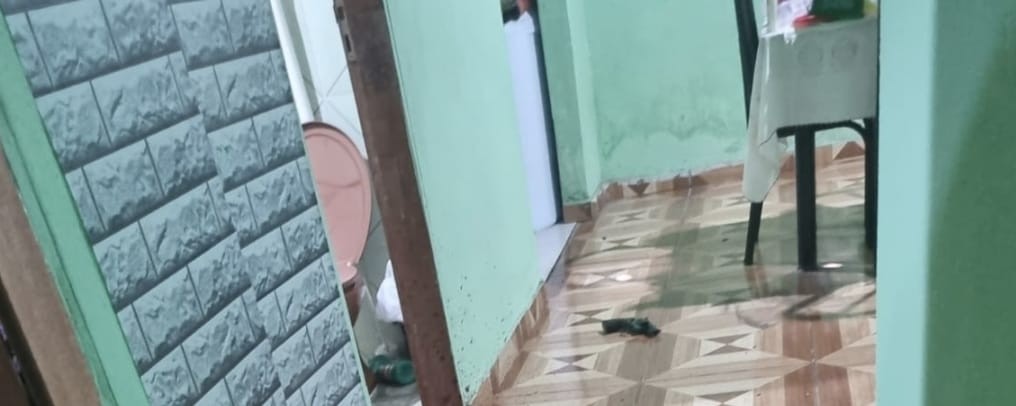
Crime ocorreu dentro da casa do casal. PCPB Uma mulher foi morta a tiros na manhã desta terça-feira (13), na zona rural de Itapororoca, na Paraíba. O suspeito, marido dela, se matou em seguida. A mulher foi identificada como Fernanda Patrícia. Ela foi asssassinada com quatro disparos no peito e na cabeça. O marido, Rubenilson Santos da Silva, foi encontrado morto na cena do crime com um tiro no ouvido. De acordo com o delegado Syvio Rabello, o crime ocorreu no interior da casa onde viviam. Não há registro de nenhuma denúncia de violência contra a mulher nas delegacias da região contra o suspeito. "Nós abrimos um inquérito policial para saber a dinâmica de toda a ação criminosa", disse o delegado. Segundo ele, os próximos passos são as oitivas de testemunhas, como vizinhos e familiares, e a conclusão do resultado da perícia no local. Vídeos mais assistidos do g1 Paraíba Veja os vídeos que estão em alta no g1

3h
3 min
0
Read Article
I started drinking at 14, and it became a dangerous habit for more than 55 years. I'm finally sober at 70.
Health

I started drinking at 14, and it became a dangerous habit for more than 55 years. I'm finally sober at 70.

From left: Barbara Face pictured as a teenager when she first started drinking, at the height of her alcoholism, and sober, as she is today. Courtesy of Barbara Face Barbara Face began drinking at 14 when a boy secretly brought beer to a church treat she attended. The habit continued during her life as she increasingly used alcohol to relax and escape reality. She got sober more than a year ago with help from an app that guided her through the process. This story is based on a conversation with Barbara Face, 70, a former training manager from Phoenix. It has been edited for length and clarity. I'll never forget the first time I drank alcohol to excess. I'd had the occasional, tiny taste of it when my parents had it with a meal, but this experience was different. We were at a church retreat, and a boy had sneaked in a six-pack of beer. He stashed it in a pile of snow to keep it cold, and we opened the bottles with glee. After a while, I started to feel happy. However, it was accompanied by a sense of numbness. Things were tough at home, and I forgot about my problems for a while. Drinking made me feel better My friend and I started drinking sweet, fortified wine. We had to rely on older kids to buy it from stores, who mostly used fake IDs. I couldn't help notice that my high school friends drank less than I did. They wanted to have fun, but it was more than just a joyride for me. I just wanted to feel better. Face as a teenager, around the time she started drinking. Courtesy of Barbara Face On my 18th birthday, a friend drove me over the border to Wisconsin, where the legal drinking age was 18, compared to 21 in our native Minnesota. It was thrilling to be in a bar. My parents didn't want me to go down the college route. They thought it was wrong for a girl to do so. It damaged my self-esteem, and my outlet continued to be drinking. Still, I'd describe myself more as a social drinker in my late teens and early 20s. I got married at 19, but divorced five years later. The break-up hit me hard. It was painful to be so hungover I ran with a fast crowd, and weekends were about drinking. One night, in my early 30s, I filled a flask with vodka. I was swigging it while dancing. I don't remember driving home, but I crashed my car into a barrier. Somebody came by and took me home, and my friends helped me pick up my car the following day. I was so hungover, it was painful. The fact that I'd blacked out scared me to death. Face said she looked bloated before she quit drinking Courtesy of Barbara Face A therapist referred me to a 30-day treatment center where I dried out. The clinicians were so worried about me, they would only release me to a women's halfway house. I joined AA and became a sober person for a few years. Then my mental health deteriorated again. I went back to my old ways and drank up to two bottles of vodka every weekend. Then, after being accepted into a Master's program at Ohio State University, I began to drink hard liquor every night alone after school. I had terrible hangovers and felt ashamed and guilty. I wrecked my car on the way to a casino I moved to Birmingham, Alabama, after taking a job in a call center. The hangovers made me angry and resentful. It was always someone else's fault, not mine, and I was reported by a supervisor for erratic behavior and swearing. Somehow, I managed to hold onto my job and move with the company to Phoenix in my 40s. I was drunk and headed to a casino, when I totaled my car. Face began with drinking beer before graduating to hard liquor and wine. Courtesy of Barbara Face Fortunately for me, it was on a Native American reservation, and the police officer who attended didn't have the jurisdiction to breathalyze me. I refused, and it got me out of a DUI. Two decades went by. There were days when I didn't want to wake up in the morning. My blood pressure was very high "I'll have a small glass of wine at 3 p.m.," I'd tell myself. Then it would be 2 p.m. I drank one or two bottles of wine a day. My dinner was inevitably liquid. It wasn't the taste I was after; it was the emotional release. The wake-up call came in September 2024 after an annual check-up at the doctor's office. My bloodwork results were dangerous. My blood pressure was very high, and I was also verging on pre-diabetes. Face at her 70th birthday party which she celebrated without alcohol. Courtesy of Barbara Face The doctor asked about my blood sugar levels and whether I liked sweet things. She asked about my drinking, and I lied about the amount because I was ashamed. I said it was about two glasses of wine a day. "You should try to cut back," she said. It was around that time that I received a marketing email from an app that offers advice on both reducing and eliminating alcohol intake. I downloaded the app and read how much my brain was being affected by the effects of alcohol, particularly at my age. I attend online groups I started to reduce my drinking by 10%, and then more. I'd measure out my glass of wine, which I'd sip during my evening meal. There were podcasts and readings about how much a woman should be drinking at my age. Then I joined some of the online groups, which were non-judgmental and supportive. Face, pictured with her dog, Lumi, enjoying a sober lifestyle on a hike. Courtesy of Barbara Face Cutting back lifted my depression a bit. I started to sleep better after years of insomnia. The endless cycle of negative thoughts slowed down. Next, I began weaning myself off altogether. The first day I was able to go without alcohol was super exciting for me. It was a huge accomplishment. I was concerned about my 70th birthday party One day without drinking turned into two, then three, then a week. I'd never been proud of myself, but I was on top of the world when I had my last-ever drink on December 9, 2024. I had anxiety ahead of my 70th birthday party in late January 2025. "How will I be able to celebrate without Champagne?" I thought to myself. I managed fine. Face said she is proud of herself for stopping drinking. Courtesy of Barbara Face Then, my sister-in-law and I went on a cruise along the River Danube. Everybody was drinking, but I stuck to my cranberry juice and tonic water. It felt good to travel without being hungover. I had my bloodwork redone last April, and there was a marked improvement. I was no longer at risk of being pre-diabetic. My blood pressure had lowered. In the meantime, I look and feel a whole lot better. My face no longer looks bloated. I've started doing yoga and feel a lot more fit. People ask me if I'm worried that I might go back to drinking. What's stopping me is the thought of a healthy future. As I approach 71, I'm in the last stages of my life, but I still find it worthwhile to be alcohol free. Read the original article on Business Insider

3h
3 min
0
Read Article
UTJ’s Gafni calls for government to ignore High Court rulings on Haredi draft law
Politics

UTJ’s Gafni calls for government to ignore High Court rulings on Haredi draft law

MK joins coalition lawmakers calling for defiance of judiciary; Lapid warns disobeying court would expose IDF soldiers to international lawsuits The post UTJ’s Gafni calls for government to ignore High Court rulings on Haredi draft law appeared first on The Times of Israel.

3h
3 min
0
Read Article
🎉

You're all caught up!

Check back later for more stories

Voltar ao inicio