M
MercyNews
Home
Back
Operações da ICE geram medo entre crianças das Cidades Gêmeas
Politica

Operações da ICE geram medo entre crianças das Cidades Gêmeas

NPR News1h ago
3 min de leitura
📋

Fatos Principais

  • Operações agressivas da ICE em Minnesota criaram um clima de medo que afeta diretamente crianças na área das Cidades Gêmeas.
  • Muitas famílias optaram por se confinar em suas casas como medida de proteção, alterando significativamente suas rotinas diárias e a vida das crianças.
  • Crianças em todo o território das Cidades Gêmeas estão experimentando níveis elevados de ansiedade e medo como resultado das operações contínuas.
  • O impacto psicológico nos jovens residentes inclui estresse, confinamento e a interrupção de atividades infantis normais e interações sociais.
  • A dinâmica comunitária mudou, pois famílias evitam espaços públicos e atividades rotineiras para minimizar riscos percebidos.
  • A situação representa uma interrupção significativa nos ambientes estáveis que as crianças precisam para um desenvolvimento e bem-estar saudáveis.

Resumo Rápido

Em todo o território das Cidades Gêmeas, um clima de medo se instalou nos bairros à medida que operações agressivas da ICE continuam em Minnesota. O impacto é sentido mais agudamente pelos residentes mais jovens, que estão experimentando níveis sem precedentes de ansiedade e estresse.

Muitas famílias tomaram a difícil decisão de permanecer em casa, efetivamente confinando suas crianças. Essa mudança na vida diária criou um efeito dominó, com as crianças carregando o peso emocional de uma situação que não conseguem compreender totalmente.

Um Clima de Medo

As operações contínuas alteraram fundamentalmente os ritmos diários de vida de muitas famílias. O que eram viagens rotineiras para escolas, parques ou supermercados tornou-se um risco calculado, pesado contra a ameaça percebida da imigração.

Crianças, que são naturalmente observadoras, captam a tensão e a ansiedade sentidas por seus pais. Isso cria um ciclo de feedback de estresse dentro de casa, onde o mundo exterior é retratado como um lugar de perigo potencial.

  • Crianças são confinadas em suas casas por segurança
  • Atividades infantis normais estão sendo restringidas
  • Níveis de estresse doméstico aumentaram significativamente
  • Confiabilidade comunitária e conexões sociais estão tensionadas

"Em todo o território das Cidades Gêmeas, as crianças estão ansiosas e com medo."

— Fonte do Conteúdo

Impacto nas Crianças

O custo psicológico para os jovens é profundo. Ansiedade e medo tornaram-se estados emocionais comuns para crianças que são velhas o suficiente para entender a situação, mas muito jovens para processar suas complexidades.

Especialistas em desenvolvimento observam que a exposição prolongada a tal ambiente pode ter efeitos duradouros no senso de segurança e bem-estar de uma criança. A incapacidade de se envolver em atividades sociais e educacionais normais compõe ainda mais esses desafios.

Em todo o território das Cidades Gêmeas, as crianças estão ansiosas e com medo.

A situação representa uma interrupção significativa nos ambientes estáveis que as crianças precisam para um desenvolvimento saudável. O estado constante de alerta e restrição cria uma atmosfera que é antitética à natureza despreocupada da infância.

Resposta Comunitária

A comunidade das Cidades Gêmeas está lidando com as consequências visíveis e invisíveis dessas operações. Bairros que outrora pareciam abertos e acolhedores agora parecem incertos para muitos residentes.

Organizações locais e líderes comunitários estão observando as mudanças na vida diária e o fardo emocional carregado pelas famílias. A decisão de ficar em casa não é tomada levianamente, mas sim como uma medida protetora para crianças que estão experimentando o impacto emocional direto da situação.

A experiência coletiva de ansiedade está remodelando a dinâmica comunitária, afetando como as famílias interagem com seu ambiente e entre si. O que antes era uma parte rotineira da vida tornou-se uma fonte de estresse e planejamento significativos.

O Custo Humano

Além das estatísticas e discussões de política, existe uma história humana de infância interrompida. As operações criaram um ambiente onde o simples ato de sair para fora é pesado contra consequências potenciais.

Para as crianças, isso se traduz em um mundo que parece menor e mais ameaçador. A exploração normal e a interação social que são essenciais para crescer estão sendo substituídas por cautela e confinamento.

  • Parques infantis e áreas de lazer ficam vazios para algumas famílias
  • A frequência escolar torna-se uma fonte de ansiedade
  • Eventos comunitários são evitados
  • Passeios familiares são raros ou inexistentes

A paisagem emocional da infância nessas áreas afetadas foi fundamentalmente alterada, com medo e incerteza tornando-se companheiros indesejáveis na vida diária.

Olhando para o Futuro

A situação contínua em Minnesota continua afetando a vida diária e o bem-estar emocional das crianças nas Cidades Gêmeas. O impacto deste período provavelmente será sentido muito depois que as operações concluírem.

À medida que a comunidade navega por esses desafios, o bem-estar das crianças permanece no forefront das preocupações. A necessidade de estabilidade, segurança e normalidade é primordial para os jovens residentes que estão experimentando este nível sem precedentes de estresse e restrição.

A história das crianças das Cidades Gêmeas é de resiliência diante da adversidade, mas também um lembrete do impacto profundo que as decisões políticas podem ter nos membros mais vulneráveis da sociedade.

Perguntas Frequentes

O que está acontecendo nas Cidades Gêmeas em relação às operações da ICE?

Operações agressivas da ICE estão continuando em todo o estado de Minnesota, criando medo e ansiedade generalizados entre os residentes. Muitas famílias, especialmente aquelas com crianças, estão optando por permanecer em casa para evitar possíveis encontros com a imigração.

Como as crianças estão sendo afetadas por essas operações?

Crianças nas Cidades Gêmeas estão experimentando ansiedade e medo significativos. Muitas estão confinadas em suas casas, incapazes de participar de atividades infantis normais como ir à escola, parques ou eventos comunitários, o que causa estresse e interrompe seu desenvolvimento.

Qual é a resposta da comunidade a esta situação?

A comunidade está observando uma mudança fundamental na vida diária, com famílias alterando rotinas e evitando espaços públicos. Há uma preocupação crescente com o impacto emocional e psicológico nas crianças, que estão carregando o fardo de uma situação que não compreendem totalmente.

Quais são as implicações de longo prazo para as famílias afetadas?

O confinamento prolongado e o estresse provavelmente terão efeitos duradouros no senso de segurança e bem-estar das crianças. A interrupção das experiências normais de infância e do desenvolvimento social durante este período pode ter consequências significativas para sua saúde emocional futura.

Continue scrolling for more

Ameaça de Boicote à Copa do Mundo de 2026 na Europa
Politics

Ameaça de Boicote à Copa do Mundo de 2026 na Europa

À medida que a Copa do Mundo de 2026 se aproxima, as tensões políticas aumentam. Pesos-pesados do futebol europeu consideram um boicote devido ao descontentamento com Donald Trump, espelhando protestos passados.

52m
5 min
6
Read Article
Newsom acusa Trump por cancelamento de aparição em Davos
Politics

Newsom acusa Trump por cancelamento de aparição em Davos

O governador da Califórnia, Gavin Newsom, atribuiu ao governo Trump o cancelamento de sua aparição no Fórum Econômico Mundial em Davos, alegando que foi negada sua entrada em um local nos EUA.

53m
5 min
6
Read Article
Prefeito de Bordeaux aceita mediação em meio a disputa sobre transparência orçamentária
Politics

Prefeito de Bordeaux aceita mediação em meio a disputa sobre transparência orçamentária

O prefeito de Bordeaux, Thomas Cazenave, aceitou mediação judicial proposta para resolver disputa com a oposição sobre transparência orçamentária e divulgação de dados financeiros.

53m
5 min
6
Read Article
EUA transferem 7.000 prisioneiros do EI para o Iraque em meio à mudança na Síria
World_news

EUA transferem 7.000 prisioneiros do EI para o Iraque em meio à mudança na Síria

O exército dos EUA começou a transferir até 7.000 detentos do Estado Islâmico da Síria nordeste para o Iraque, em meio ao governo sírio afirmando controle sobre territórios curdos.

55m
5 min
6
Read Article
Whole milk is gross. I don't care what RFK says.
Politics

Whole milk is gross. I don't care what RFK says.

Whole milk, yuck. Getty Images; BI The government's latest dietary guidelines suggest people drink whole milk instead of low-fat. This matters a lot for school lunches, where whole milk will get top billing. But for the rest of us: Who actually prefers sludgy, thick whole milk over crisp skim? Yuck! I refuse the long arm of the government's reach into my refrigerator: I'm not drinking whole milk! And I readily accept that food is political, so the fact that the latest dietary guidelines from the US government — which say to drink whole milk instead of skim — are being seen as the latest political battle isn't a surprise. But there's something in the latest whole milk debate that is truly confusing to me. It's that … whole milk isn't very good? And I don't think many of us have felt we couldn't drink it because of government guidelines. We just don't like it! Whole milk as a win for freedom? Secretary of Health and full-fat dairy booster Robert Kennedy Jr. is a polarizing figure, so people are going to interpret this kind of video in a way that fits their worldview: 🥛 pic.twitter.com/QUeSfR7EC8 — Secretary Kennedy (@SecKennedy) January 15, 2026 The government is positioning this change as people being desperate to drink whole milk but feeling they weren't allowed to. That they were forced to settle for skim or 2% milk, and finally, thanks to the Trump administration, are allowed the verboten pleasures again. Here's MY beef: Whole milk is gross. Whole milk is too sludgy, too thick. It always kind of smells like it's on its way to turning sour. I find the white residue it leaves on the sides of a glass off-putting. Yuck. One-percent milk is crisp, drinkable, watery, cold, and refreshing. Great to drink on its own or as a bath for cereal. Personally, I think skim is too watery, and 2% too close to whole, but I accept those options as well. For me, it's not any fear of fat intake that has kept me from buying whole milk; it's that whole milk is stinky and gross. I should note here that the health benefits of whole vs. low-fat milk are a living, breathing debate. Whole milk has more saturated fat, which is potentially "bad," but it has more vitamins and enzymes or whatever, which are potentially "good." (Disclaimer: I'm not a scientist here, people! Don't trust me — do your own research.) If you're truly interested in learning more about the details of the health benefits of dairy, I suggest you read this instead of listening to me whine about my personal milk preference. Don't listen to me about healthy food choices; my doctor shook her head sadly and said "noooooo" when I told her what kinds of garbage I typically eat for dinner (yes, my cholesterol is high). For me, worrying about the milkfat content of my cereal is like worrying about which multivitamin brand to buy when I often go days without eating a fresh vegetable. I'm stuffing so many chemicals and processed garbage down my gullet on the reg that any kind of milk is the healthiest thing I'll consume by far. Robert F. Kennedy presents the new "Dietary Guidelines for Americans," which include favoring whole milk. Yuck. Anna Moneymaker/Getty Images Yes, I'm sure there are some of you out there who are adult whole milk fans and prefer it over skim. Like whole milk? Know that I see you, I accept you, and you are valid. It's fine to have a taste preference. But I simply don't believe there are throngs of adults out there who've been feeling forced to choke down 2% when they were dying for whole milk. You're a grownup! Buy whatever milk you like! Of course, the main point of the latest guidelines isn't really aimed at making suggestions to adults. The actionable part of the guidelines is that they inform the rules for federal food programs for kids, like the National School Lunch Program, which previously only allowed low-fat milk options. I don't really care if a kid prefers whole or skim milk with their sloppy Joe or PB&J — either option seems better to me than chocolate milk, which, according to my own elementary school children, is what everyone chooses at lunch anyway. If the government is going to start meddling more with school lunches, frankly, I'd welcome them to start with the abusive fee structure in some of the digital lunch payment systems that many districts have adopted. My kids' school uses a payment provider for lunches that charges a $3.50 fee every time you add money to your kid's account (and requires separate accounts per sibling). President Trump, please look into that. For me, I am not going to change my milk-drinking ways. I was raised in a 1% household. I will continue to buy 1% because it's delicious, and whole milk is gross, and Uncle Sam can't tell me what to do. Read the original article on Business Insider

55m
3 min
0
Read Article
Student-loan forgiveness for public servants is at risk under Trump's plan to ax cheaper monthly payments, Democratic lawmakers say
Politics

Student-loan forgiveness for public servants is at risk under Trump's plan to ax cheaper monthly payments, Democratic lawmakers say

Sen. Jeff Merkley raised concerns about ending the SAVE student-loan repayment plan. Chip Somodevilla/Getty Images A group of Democratic lawmakers raised concerns with Trump's proposed settlement to eliminate the SAVE plan. They said that abruptly moving student-loan borrowers off of SAVE could put PSLF debt relief at risk. The department said borrowers would have a limited time to begin repayment once SAVE is gone. Millions of student-loan borrowers could soon be forced off a key repayment plan — and debt relief is on the line. On Thursday, a group of Democratic lawmakers, including Sens. Jeff Merkley, Elizabeth Warren, Sheldon Whitehouse, and Tim Kaine, led their colleagues in raising concerns regarding the Department of Education's proposed settlement to end the SAVE student-loan repayment plan. Over 7 million borrowers are enrolled in SAVE, which was created by former President Joe Biden and intended to give borrowers cheaper monthly payments with a shorter timeline to loan forgiveness. Litigation halted the plan in 2024, and President Donald Trump's administration recently announced a proposed settlement that would effectively eliminate the plan and require borrowers to transfer to an existing plan with higher payments. Trump's "big beautiful" spending legislation called for eliminating SAVE by 2028, and this settlement would accelerate that timeline. The lawmakers wrote in a letter to Education Secretary Linda McMahon that borrowers are likely to face "significant hurdles" switching to a new plan, and those enrolled in the Public Service Loan Forgiveness program — which forgives student debt for government and nonprofit workers after 10 years — are at heightened risk. "Forcing these borrowers to transition out of SAVE with little guidance risks further lost time to debt relief and payment increases that could render continued public service untenable," the lawmakers wrote. Business Insider wants to hear about the challenges, successes, and unique experiences you're facing with your student loans. Do you have a story to share? Please fill out this form, and we'll be in touch. Read more of our student-loan coverage: Student-loan borrowers are gearing up for higher monthly payments after Trump moves to ax their affordable plan: 'I'm bracing for an astronomical bill' How Trump's big spending bill will overhaul repayment for millions of student-loan borrowers Student-loan borrowers behind on payments are getting a major break Borrowers have not received credit toward PSLF while on the SAVE forbearance. While resuming payments on a different income-driven repayment plan would count toward PSLF, the lawmakers wrote that transitioning millions of borrowers to a new plan in a short timeframe would be a significant administrative burden, and they requested that the Department of Education give borrowers at least six months to switch to a new plan before their next payment comes due. The department wrote in its press release that SAVE borrowers "will have a limited time" to select a new repayment plan. Under Secretary of Education Nicholas Kent said in a statement at the time that "American taxpayers can now rest assured they will no longer be forced to serve as collateral for illegal and irresponsible student loan policies." A slew of changes is on the horizon for student-loan borrowers. While borrowers are still waiting for a court to approve the SAVE settlement, provisions of Trump's spending legislation — including new repayment plans and borrowing caps — are set to be rolled out beginning in July. Those changes come as over 5 million borrowers are in default on their student loans, following the Trump administration's resumption of collections in May 2025 after a five-year pause. The Education Department announced last week that it is temporarily pausing wage garnishment and tax refund seizures for defaulted borrowers. Still, Democratic lawmakers said in their letter that SAVE borrowers are at risk of defaulting should they face challenges transitioning to a new plan. "It is imperative the Department take every action possible to ensure the 7 million borrowers currently enrolled in SAVE are provided with the information and resources necessary to avoid delinquency or default in order to avoid an even bigger default crisis," they wrote. Read the original article on Business Insider

55m
3 min
0
Read Article
Israeli fire kills 11 in Gaza: Three journalists among the dead
Politics

Israeli fire kills 11 in Gaza: Three journalists among the dead

In Gaza on Wednesday, Israeli forces killed 11 Palestinians in multiple attacks, including a strike on a vehicle carrying three journalists documenting a new displacement camp. Since the ceasefire took effect on October 10, both sides have frequently accused each other of violating the agreement, Gabrielle Nadler reports.

56m
3 min
0
Read Article
Capitalism as we know it is having an identity crisis — and you're caught in the middle
Economics

Capitalism as we know it is having an identity crisis — and you're caught in the middle

Getty Images; Tyler Le/BI From Davos to Washington to America's high school classrooms, people are questioning the foundations of our economic system — and we at Business Insider are tracking what the fight over the future of capitalism means for your work, your wealth, and your world. Polls show Americans' trust in capitalism is falling fast, as daily life has grown more expensive and less secure. Our own recent survey of readers found that people are worried their wages aren't keeping up with their expenses, that housing feels out of reach, and that the whole system seems shaky. Many employers are leaning even more heavily into a capitalistic approach, deemphasizing loyalty and tenure in favor of ruthless meritocracy. Meanwhile, the US government has taken a more hands-on role in the economy, becoming a shareholder in several companies and upending its place in the capitalist system. As questions about the state of capitalism grow, leaders are pitching competing visions of the economy's future. President Trump told a room full of CEOs, executives, and media figures at Davos this week that the US is reshaping the rules to make sure the country comes out of this period of transition "bigger and better than before." Some are pushing for reform, like California governor Gavin Newsom, who called for a "rules-based, competitive" model at Davos. Others, like New York City's self-described socialist mayor Zohran Mamdani, want to rethink the system from the ground up — and have a lot of voters on board. While capitalism's future hangs in the balance, Business Insider is digging in. We're exploring how and why the system is being reshaped — by government policy, by companies, and by you. Tell us what you think about the future of capitalism. Test your own understanding. And stick with us as we track how this system is evolving in real time, and what it will look like next. Read the original article on Business Insider

57m
3 min
0
Read Article
Donald Trump backs down on Greenland
Politics

Donald Trump backs down on Greenland

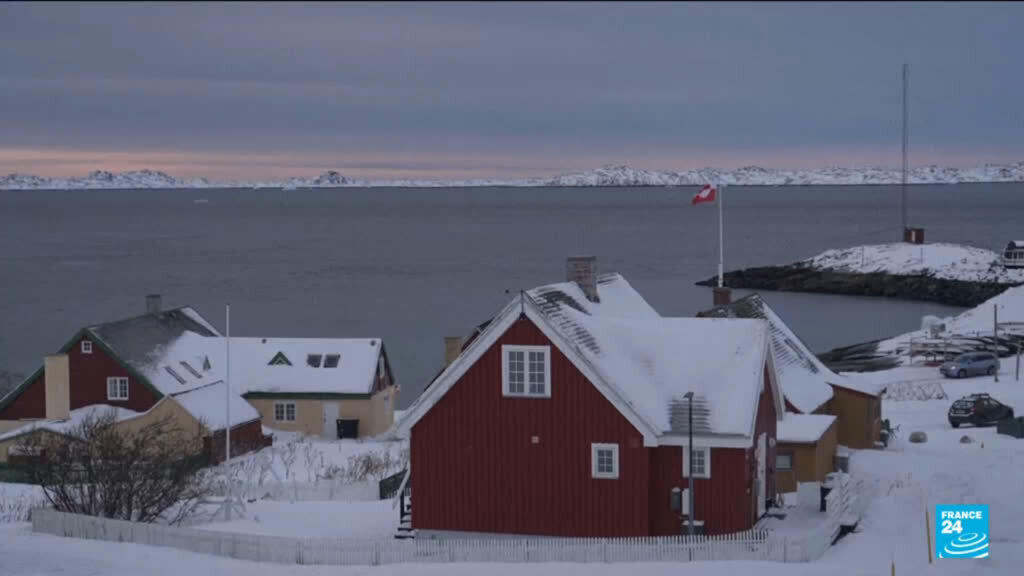
Donald Trump says he is moving toward a deal on Greenland following discussions with NATO chief Mark Rutte. The US president had earlier declined to rule out the use of military force to acquire the territory from Denmark, a NATO member—a stance many experts warned could threaten the alliance’s cohesion. Ellen Gainsford reports.

58m
3 min
0
Read Article
Ukrainian's Zelensky to meet with Trump in Davos
Politics

Ukrainian's Zelensky to meet with Trump in Davos

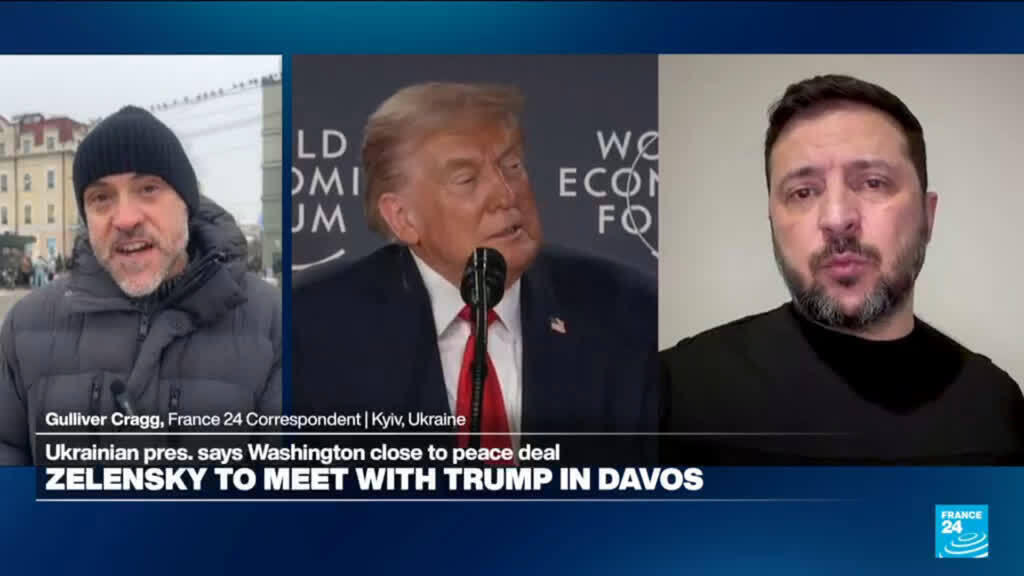
The president of Ukraine heads to Davos as NATO-backed Greenland deal takes center stage at The World Economic Forum. Meanwhile, the leaders of the EU’s 27 member states are set to gather in Brussels later today for an informal emergency meeting on transatlantic relations. France24 International affairs editor Philip Turle and France24 correspondent Gulliver Cragg from Kyiv join for more.

59m
3 min
0
Read Article
🎉

You're all caught up!

Check back later for more stories

Voltar ao inicio