Key Facts
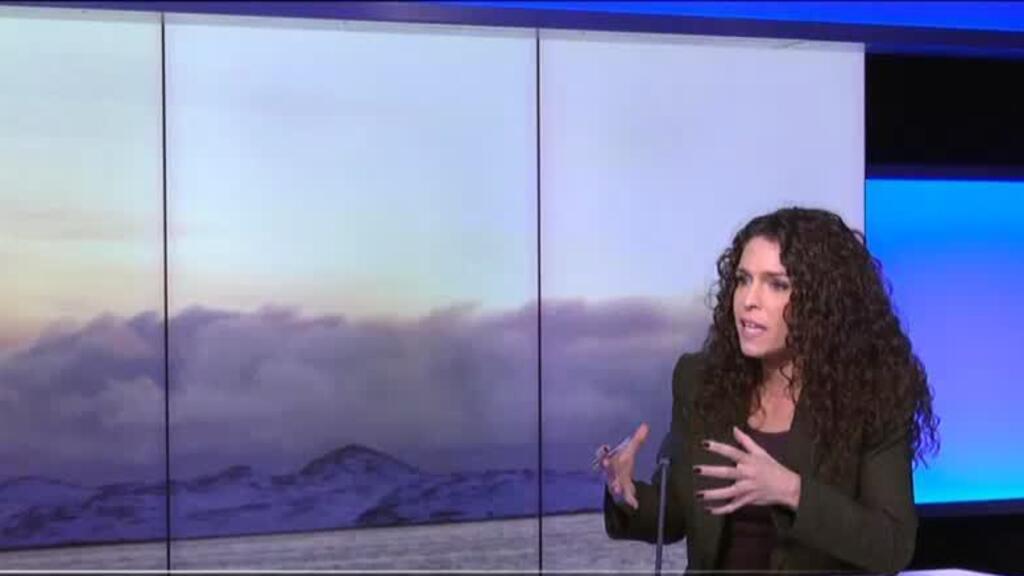
- ✓ Former French minister Pierre Lellouche has identified a critical moment where Europe faces its first genuine test of political will against American ambitions in the Arctic region.
- ✓ The strategic island of Greenland has become the focal point of emerging tensions between European allies and their traditional American security partner.
- ✓ This development marks a potential turning point in transatlantic relations after nearly eighty years of European reliance on American protection.
- ✓ The Arctic region has transformed from a frozen frontier into a geopolitical chessboard where European sovereignty is being challenged for the first time in decades.
- ✓ The confrontation represents a fundamental shift in the international order, testing whether Europe can assert strategic autonomy or will remain dependent on external powers.
- ✓ The outcome of this Arctic challenge will determine Europe's role in the emerging multipolar world order and its capacity to shape global events.
A New Arctic Challenge
The Arctic ice is melting, and with it, the long-standing geopolitical order that has defined transatlantic relations for nearly a century. A scenario once considered unthinkable is now taking shape: a direct confrontation between European allies and their traditional protector over strategic territory in the far north.
Former French minister and political analyst Pierre Lellouche frames this moment as Europe's first genuine test of political will. The stakes extend beyond territorial claims to the fundamental question of European sovereignty and strategic autonomy in an increasingly multipolar world.
The focus of this emerging tension lies in Greenland, a vast Arctic island whose strategic importance has grown exponentially as polar ice recedes, opening new shipping lanes and access to untapped natural resources.
The Greenland Question
Greenland occupies a critical position at the intersection of European security and American strategic interests. The island's location makes it a pivotal gateway to the Arctic, a region increasingly viewed through the lens of great power competition rather than scientific cooperation.
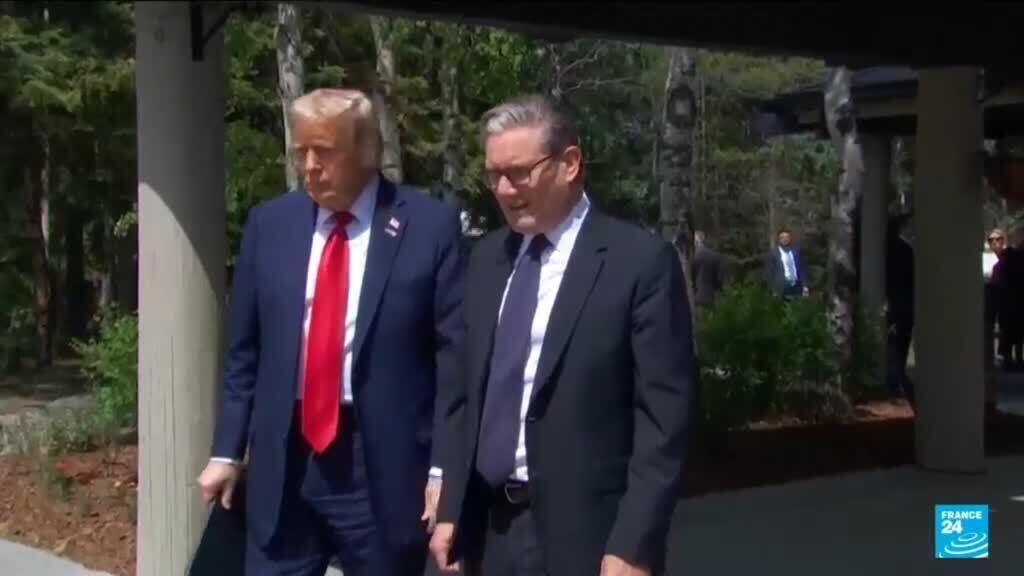
For decades, the United States has maintained a security umbrella over Europe, a relationship built on mutual defense and shared democratic values. However, recent developments suggest a shift in American priorities, with territorial ambitions in the Arctic challenging the sovereignty of European nations with legitimate claims to the region.
The Arctic Circle has transformed from a frozen frontier into a geopolitical chessboard. As traditional boundaries shift with climate change, the competition for influence and resources intensifies, forcing European nations to reconsider their strategic posture.
- Strategic shipping lanes opening as polar ice melts
- Access to untapped natural resources beneath Arctic waters
- Geopolitical positioning in a multipolar world order
- Reassessment of transatlantic security guarantees
"Face aux prétentions américaines sur le Groenland, le temps est venu pour les Européens de résister"
— Pierre Lellouche, Former French Minister
A Test of European Will
Lellouche characterizes this moment as a defining challenge for European unity and resolve. The continent must navigate a complex landscape where its traditional security partner has become a potential competitor in a critical strategic theater.
This confrontation represents more than a territorial dispute; it signals a fundamental shift in the international order. The United Nations framework, which has historically governed international relations, may prove inadequate in resolving tensions between major powers with competing claims.
Face aux prétentions américaines sur le Groenland, le temps est venu pour les Européens de résister
The analysis suggests that European nations can no longer rely solely on American protection while simultaneously accepting challenges to their sovereignty. This moment demands a clear articulation of European interests and the political will to defend them.
The Arctic region has become the testing ground for whether Europe can act as a unified strategic actor or whether it will remain dependent on external powers for its security and territorial integrity.
Geopolitical Implications
The unfolding scenario in the Arctic carries profound implications for the global balance of power. What begins as a territorial dispute over Greenland could reshape alliances and redefine the parameters of international cooperation.
European nations face a critical decision point: accept American dominance in the Arctic despite conflicting interests, or assert their own strategic autonomy. This choice will determine Europe's role in the emerging world order and its capacity to shape global events.
The Arctic Council and other international bodies may become battlegrounds for competing visions of regional governance. The outcome will influence not only territorial boundaries but also the rules governing resource extraction, environmental protection, and navigation rights.
For the European Union and its member states, this represents an opportunity to demonstrate strategic coherence. Success in resisting external pressure could strengthen European integration and confidence, while failure could deepen divisions and dependence.
The Path Forward
Navigating this challenge requires strategic clarity and diplomatic skill. European nations must balance the preservation of transatlantic relations with the defense of their sovereign interests in the Arctic.
The response to American ambitions in Greenland will set a precedent for how Europe handles future challenges to its territorial integrity and strategic autonomy. It is a moment that demands both principled stance and pragmatic diplomacy.
As the Arctic continues to transform, European nations must develop their own capabilities and strategies for the region. This includes investing in Arctic infrastructure, strengthening regional partnerships, and articulating a clear vision for Arctic governance that respects European interests.
The coming months and years will reveal whether Europe has the political will to meet this challenge. The outcome will shape the continent's role in the 21st century and determine whether it remains a passive observer or becomes an active shaper of its own destiny.
Key Takeaways
The Arctic has emerged as the new frontier where European sovereignty faces its most significant test in decades. Pierre Lellouche's analysis highlights a pivotal moment where Europe must choose between continued dependence and strategic autonomy.
This confrontation over Greenland represents more than a territorial dispute—it signals a fundamental shift in transatlantic relations and the global balance of power. The outcome will determine Europe's capacity to act as an independent strategic actor.
As the ice melts and new opportunities emerge, European nations face the challenge of defining their interests and defending them against competing claims. The Arctic will remain a critical theater for geopolitical competition, requiring sustained attention and strategic resolve.