Mercy.news
Home
Back
Le Brésil fixe le salaire minimum à 1 621 R$ pour 2026
Economics

Le Brésil fixe le salaire minimum à 1 621 R$ pour 2026

G1 GloboDec 24
3 min de lecture
📋

Points clés

  • Le président Lula a signé le décret n° 12 797, fixant le salaire minimum à 1 621 R$ pour 2026.
  • La nouvelle valeur représente une augmentation de 103 R$ par rapport au taux actuel de 1 518 R$.
  • L'ajustement est basé sur une inflation de 4,18 % plus une augmentation réelle plafonnée à 2,5 %.
  • L'augmentation devrait ajouter 43,2 milliards de R$ aux dépenses publiques obligatoires en 2026.
  • Environ 59,9 millions de personnes utilisent le salaire minimum comme référence pour leurs revenus.

Résumé rapide

Le gouvernement brésilien a officiellement publié la nouvelle valeur du salaire minimum pour 2026. Le président Luiz Inácio Lula da Silva a signé le décret n° 12 797, établissant le nouveau seuil national à 1 621 R$ à compter du 1er janvier 2026. Le décret a été publié au Journal officiel le 24 décembre 2025.

L'ajustement représente une augmentation de 103 R$ par rapport à la valeur actuelle de 1 518 R$. Les travailleurs recevant le salaire minimum ou des prestations liées à cette valeur, telles que l'assurance-chômage et le Bénéfice de Continuité des Prestations (BPC), recevront le montant ajusté début février. Le calcul de cette augmentation reposait sur le taux d'inflation de 4,18 % mesuré par l'INPC jusqu'en novembre, plus une augmentation réelle de 2,5 %.

Cette politique a un impact économique significatif, servant de référence pour 59,9 millions de personnes. Cependant, l'augmentation affecte également les comptes publics, avec une augmentation estimée à 43,2 milliards de R$ des dépenses obligatoires pour l'année à venir.

Décret officiel et nouvelle valeur

Le Journal officiel a publié le décret n° 12 797 le mercredi 24 décembre. Le document a été signé par le président Luiz Inácio Lula da Silva et autorise officiellement l'ajustement du salaire minimum national.

À compter du 1er janvier 2026, la valeur passera de 1 518 R$ à 1 621 R$. Cela représente une augmentation monétaire de 103 R$. L'ajustement s'applique à tous les travailleurs formels et s'étend à diverses prestations sociales.

Les bénéficiaires verront la nouvelle valeur reflétée dans leurs paiements à partir de début février. Cela inclut :

  • Les travailleurs contractuels percevant le salaire minimum
  • Les bénéficiaires de l'assurance-chômage
  • Les bénéficiaires du Bénéfice de Continuité des Prestations (BPC)

Méthodologie de calcul

La détermination du salaire minimum 2026 a suivi une méthodologie spécifique impliquant des données d'inflation et des limites de croissance économique. Le gouvernement a utilisé l'Índice Nacional de Preços ao Consumidor (INPC) pour mesurer l'inflation.

Si le gouvernement n'avait suivi que la règle constitutionnelle, qui impose un ajustement selon l'inflation, la valeur aurait été d'environ 1 582 R$. Cependant, l'administration actuelle a mis en œuvre une politique d'augmentation du salaire au-delà de l'inflation.

Le calcul a impliqué deux composantes principales :

  1. L'inflation mesurée par l'INPC sur 12 mois jusqu'en novembre (4,18 %).
  2. L'indice de croissance réelle du Produit Intérieur Brut (PIB) des deux années précédentes, limité à 2,5 % en raison du cadre budgétaire.

La combinaison de ces facteurs a abouti à la valeur finale de 1 621 R$.

Impact économique et comptes publics

L'ajustement du salaire minimum a un effet profond sur l'économie brésilienne et les finances publiques. Selon des notes techniques du Dieese (Département des statistiques syndicales et des études socio-économiques), le salaire minimum sert de référence pour 59,9 millions de personnes dans le pays.

Si l'augmentation renforce le pouvoir d'achat des travailleurs, elle augmente également les dépenses fédérales. En effet, de nombreuses prestations, telles que les pensions de retraite et l'abono salarial, sont légalement liées à la valeur du salaire minimum.

L'impact budgétaire est substantiel :

  • Pour chaque augmentation de 1 R$ du salaire minimum, les dépenses publiques augmentent d'environ 420 millions de R$ en 2026.
  • L'augmentation totale de 103 R$ correspond à une croissance d'environ 43,2 milliards de R$ des dépenses obligatoires.

Cette augmentation des dépenses obligatoires réduit les ressources disponibles pour les dépenses discrétionnaires du gouvernement, affectant potentiellement les politiques fédérales.

Contexte et comparaison historique

La Constitution mandate que le salaire minimum doit être capable de répondre aux besoins vitaux de base d'un travailleur et de sa famille, y compris le logement, la nourriture, l'éducation et la santé. Elle exige également des ajustements périodiques pour préserver le pouvoir d'achat.

Sous les administrations de Michel Temer et Jair Bolsonaro, l'ajustement suivait strictement la règle de l'inflation, ce qui n'a donné aucun gain réel aux travailleurs. En revanche, l'administration actuelle est revenue à une politique d'appréciation des salaires.

Malgré l'ajustement, le Dieese calcule que le salaire minimum nécessaire pour subvenir à une famille de quatre personnes en novembre de cette année aurait été de 7 067,18 R$, soit 4,66 fois le seuil national actuel. Certains économistes estiment que la dissociation des prestations de sécurité sociale du salaire minimum pourrait aider à contrôler la croissance de la dette publique.


#G1

Continue scrolling for more

L'IA transforme la recherche et les preuves mathématiques
Technology

L'IA transforme la recherche et les preuves mathématiques

L'intelligence artificielle passe d'une promesse à une réalité en mathématiques. Les modèles d'apprentissage génèrent désormais des théorèmes originaux, forçant une réévaluation de la recherche et de l'enseignement.

Just now
4 min
471
Read Article
Entertainment

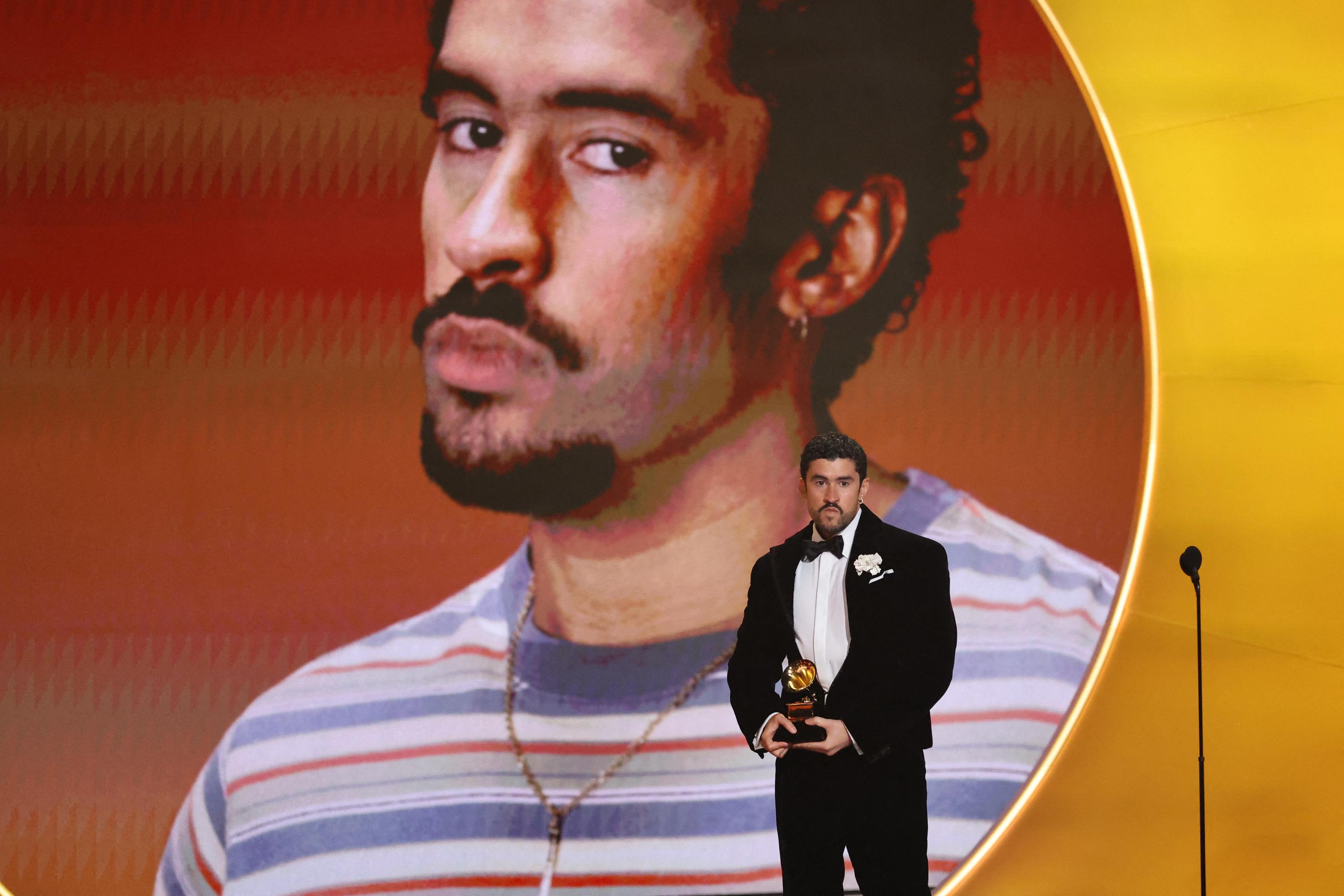
Grammy Awards: Winners Bad Bunny, Billie Eilish slam ICE

Billie Eilish's Wildflower won the song of the year award, while Bad Bunny won album of the year. Many musicians wore 'ICE out' pins, while several winners addressed immigration in their speeches.

Feb 2
3 min
0
Read Article
I embedded myself in a vibe coding team at Gemini's AI hackathon in Singapore. Building an app in 7 hours takes real work.
Technology

I embedded myself in a vibe coding team at Gemini's AI hackathon in Singapore. Building an app in 7 hours takes real work.

I followed a hackathon team as they raced to vibe code an app in seven hours at Google's Gemini 3 Hackathon in Singapore. Lee Chong Ming/Business Insider I spent seven hours with a vibe coding team at Google's Gemini 3 hackathon in Singapore. Watching from the sidelines was intense. From prompting and debugging to filming the demo — here's how it all unfolded. Just after sunrise, four vibe coding enthusiasts from Malaysia crossed into Singapore with a loose idea — and a bet that AI could build most of their app. Hours later, they were racing to prototype it at Google's Gemini 3 Hackathon in Singapore. The four friends, all in their late 30s to 40s, came from different professional backgrounds. Chan Wei Khjan is an accountant. Chan Ler-Kuan lectures on AI at a private university. Loh Wah Kiang works in IT. Lee How Siem, who goes by Benny, is the chief technology officer of a Malaysian startup. Their initial idea was a "feng shui" app to analyze properties in Singapore — a potentially lucrative use case in a market obsessed with housing and wealth accumulation. Feng shui is a traditional Chinese practice that evaluates how a person's surroundings, along with birth factors, influence luck and well-being. I embedded with the team at Google's developer space in Singapore in January to observe how a vibe-coding project comes together — or nearly falls apart — in seven hours. 9:30 a.m.: The brief Lee Chong Ming/Business Insider The assignment: Teams of up to four people had to build a working demo, publish a public repository with code, and submit a short video explaining their project by 5:30 p.m. Each project had to fit into one of six tracks, including generative media, deep research, and enterprise orchestration. Organized by Google DeepMind and 65labs, Singapore's AI builder collective, the hackathon featured a 100,000-credit Gemini API prize pool, with first place getting 30,000 credits. By the end of the day, 189 participants had built 76 projects. 10:30 a.m.: Getting started Lee Chong Ming/Business Insider The team had pivoted to a new idea due to time constraints: a feng shui app that could analyse a user's outfit and workspace through the phone camera in real time and assess how "lucky" they were. Wei Khjan took the lead on prompting. He typed the first instructions into Claude, asking it to generate the workflow and code. Ler-Kuan focused on whether the AI's output aligned with feng shui concepts. Wah Kiang and Benny hovered over the codebase, refining ideas and flagging issues. "For people who don't know how to read code, it's helpful to have people who do," Wei Khjan said. While waiting for the code to be generated, Ler-Kuan opened Google's AI Studio to design the app's logo. They called their app "Feng Shui Banana." 11:40 a.m.: The bugs arrive Lee Chong Ming/Business Insider After about an hour, Claude generated the initial codebase for the app. It was designed to work with the Gemini Live API, enabling real-time image and text analysis. It ran but was riddled with bugs. An error message flashed when they tested the camera feature, so Wei Khjan copied the error back into the AI and asked for it to be fixed. Minutes later, the feature worked. It wasn't right. The feng shui logic was off, especially where colour analysis intersected with the user's birth timings. Ler-Kuan manually corrected the underlying dictionary and its mappings. The team kept prompting to tighten the features: shorter explanations, clearer output, and more streamlined user interfaces. By 12 p.m., the app was rough, but it existed. 12:20 p.m.: Lunch can wait Lee Chong Ming/Business Insider Lunch arrived. The team stayed glued to their screens. The app didn't respond instantly when a user changed their outfit, nor did it update its feng shui analysis in real time. Wei Khjan explained how one prompt matters. Instead of issuing commands, he asked the AI to "discuss it with me." The shift changed how the model reasoned, and it worked more like a collaborator. After some prompting, the app updated with a real-time camera analysis. It was striking to watch a feature emerging from a short back-and-forth with AI. 1 p.m.: Putting the app to the test Lee Chong Ming/Business Insider I helped the team test the app. The camera correctly identified what I was wearing: a dark green polo, a yellow participant tag, and a white name card hanging from my neck. According to the app, I was already wearing colours aligned with my luck for the day. The app suggested small tweaks, such as additional accessories, that could enhance the feng shui of my outfit. 1:20 p.m.: Pizza break Lee Chong Ming/Business Insider They finally had lunch and joked around to ease the tension. Four hours remained before they had to submit their project. 1:40 p.m.: Back to work Lee Chong Ming/Business Insider Ler-Kuan shifted focus to workspace feng shui, feeding knowledge into the model and refining how the app would evaluate desks and work setups. Wah Kiang and Benny worked on the video demo. By 2 p.m., they had a landing page that looked animated and 3D. When I asked Wei Khjan how he felt, he smiled. The team also revisited the app's tagline. After cycling through suggestions from multiple AI models, they settled on a line that didn't come from an AI at all: "A wisdom, not a superstition." 3 p.m.: Filming the demo Lee Chong Ming/Business Insider By late afternoon, the restlessness was showing. The team snacked and paced, then decided to film the video explaining their project. They used Gemini to generate a storyboard for the demo video. The model laid out several scenes and drafted the script. The team followed along, filming clips and stitching everything together as they went. Their workspace feature was also up and running. 4 p.m.: Final touches Lee Chong Ming/Business Insider The app had come together nicely. With some time to spare, they decided to add audio output for users who prefer listening to reading on a screen. The first attempt to generate a voice using AI fell flat. It sounded robotic. After debugging and several iterations, they landed on a voice they liked, similar to how a Chinese feng shui master might speak. 5:30 p.m.: Deadline Lee Chong Ming/Business Insider As the deadline approached, the team was still stitching clips for their video and nitpicking the AI-generated presenter voice. The organizers had urged teams to submit early. With about 15 minutes to spare, they made the call to lock the final cut and hit submit. Then it was over. The hunger hit immediately, and everyone got in line for some well-deserved food. Even as an observer, watching from the sidelines was tiring. Seven hours of vibe coding turned out to be anything but effortless. The team didn't win a prize, but agreed that the hackathon had been worth it. "Sometimes, the best experiences come from saying 'yes' without overthinking," said Ler Kuan. "Innovation starts with curiosity and a little bit of spontaneity." Do you have a story to share about vibe coding? Contact this reporter at cmlee@businessinsider.com. Read the original article on Business Insider

Feb 2
3 min
0
Read Article
World_news

How a Village in Italy Became a Slice of Caracas

Generations of migrants from a village on the coast of southern Italy found a better life in Venezuela. Many came back and turned their town into a mini-Caracas.

Feb 2
3 min
0
Read Article
Kylie Kelce says there's one habit she insists on modeling in front of her 4 daughters
Entertainment

Kylie Kelce says there's one habit she insists on modeling in front of her 4 daughters

Kylie Kelce. Nathan Congleton/NBC Kylie Kelce, 33, says she tries to model self-love in front of her four daughters. That way, she can nurture their self-confidence and make them more resilient to negative comments in the future. "Motherhood has forced me into the idea that I do need to make sure that I'm speaking positively about myself," she said. Kylie Kelce, 33, knows the importance of nurturing her kids' self-confidence. That's why she says she leads "by example" when it comes to practicing self-love at home. "I really try my best to make sure that I speak positively about myself, even on the days that I don't necessarily feel it," Kelce told People in an interview published on Sunday. "You can say it as much as you want, but we're still human, so there are days when I find myself leading by example for our girls, recognizing, like, 'You know what? I might not feel that way right now, but it is how I should be talking about myself,'" Kelce said. Kelce has been married to former Philadelphia Eagles center Jason Kelce since 2018. They share four daughters: Wyatt Elizabeth, Elliotte Ray, Bennett Llewellyn, and Finnley Anne, who was born in March. Kelce said having daughters has made her more aware of her own self-talk. "Motherhood has forced me into the idea that I do need to make sure that I'm speaking positively about myself," she said. Moreover, building confidence early sets her daughters up for happiness and makes them more resilient, she said. "You can build these girls up with confidence so that when some silly person somewhere along their way decides to try and switch up the messaging, they've had so much joy just compounded into their ears that it drowns it out and it's a non-issue," Kelce said, adding that her daughters can easily brush off negative comments when it conflicts with what they've been taught about themselves since they were young. "Through motherhood, you see how getting that positive messaging across then makes those intrusive and negative thoughts not mean as much," she said. Kelce isn't the only celebrity who has spoken about the importance of modeling confidence for children. In November, makeup mogul Charlotte Tilbury said she doesn't experience imposter syndrome because of her mother, who showered her with praise from an early age. "Thank God — I mean, as mothers do, darling — she just told me I was fabulous. Thank God for Mommy. She just said I was fabulous, so I believed her," Tilbury said. In December, Zooey Deschanel said she doesn't let her two kids see her insecure. "I always want them to think I'm happy with myself and, like, because they get their self-esteem from their parents, you know. So yeah, it's important to me to, like, show up with confidence," she said. Read the original article on Business Insider

Feb 2
3 min
0
Read Article
International law meant to limit effects of war at breaking point, study finds
Crime

International law meant to limit effects of war at breaking point, study finds

Report covering 23 conflicts over last 18 months concludes more than 100,000 civilians have been killed as war crimes rage out of control An authoritative survey of 23 armed conflicts over the last 18 months has concluded that international law seeking to limit the effects of war is at breaking point, with more than 100,000 civilians killed, while torture and rape are committed with near impunity. The extensive study by the Geneva Academy of International Humanitarian Law and Human Rights describes the deaths of 18,592 children in Gaza, growing civilian casualties in Ukraine and an “epidemic” of sexual violence in the Democratic Republic of the Congo. Continue reading...

Feb 2
3 min
0
Read Article
Bad Bunny, premier lauréat du Grammy de l’album de l’année avec un disque en espagnol
Entertainment

Bad Bunny, premier lauréat du Grammy de l’album de l’année avec un disque en espagnol

Le chanteur de 31 ans a battu plusieurs poids lourds de l’industrie musicale américaine, à commencer par le rappeur Kendrick Lamar et la popstar Lady Gaga.

Feb 2
3 min
0
Read Article
Bitcoin Derivatives Signal Elevated Stress Following Market Rout
Cryptocurrency

Bitcoin Derivatives Signal Elevated Stress Following Market Rout

Bitcoin’s weekend plunge opened a rare CME futures gap, as macro and geopolitical pressures drove a broad deleveraging.

Feb 2
3 min
0
Read Article
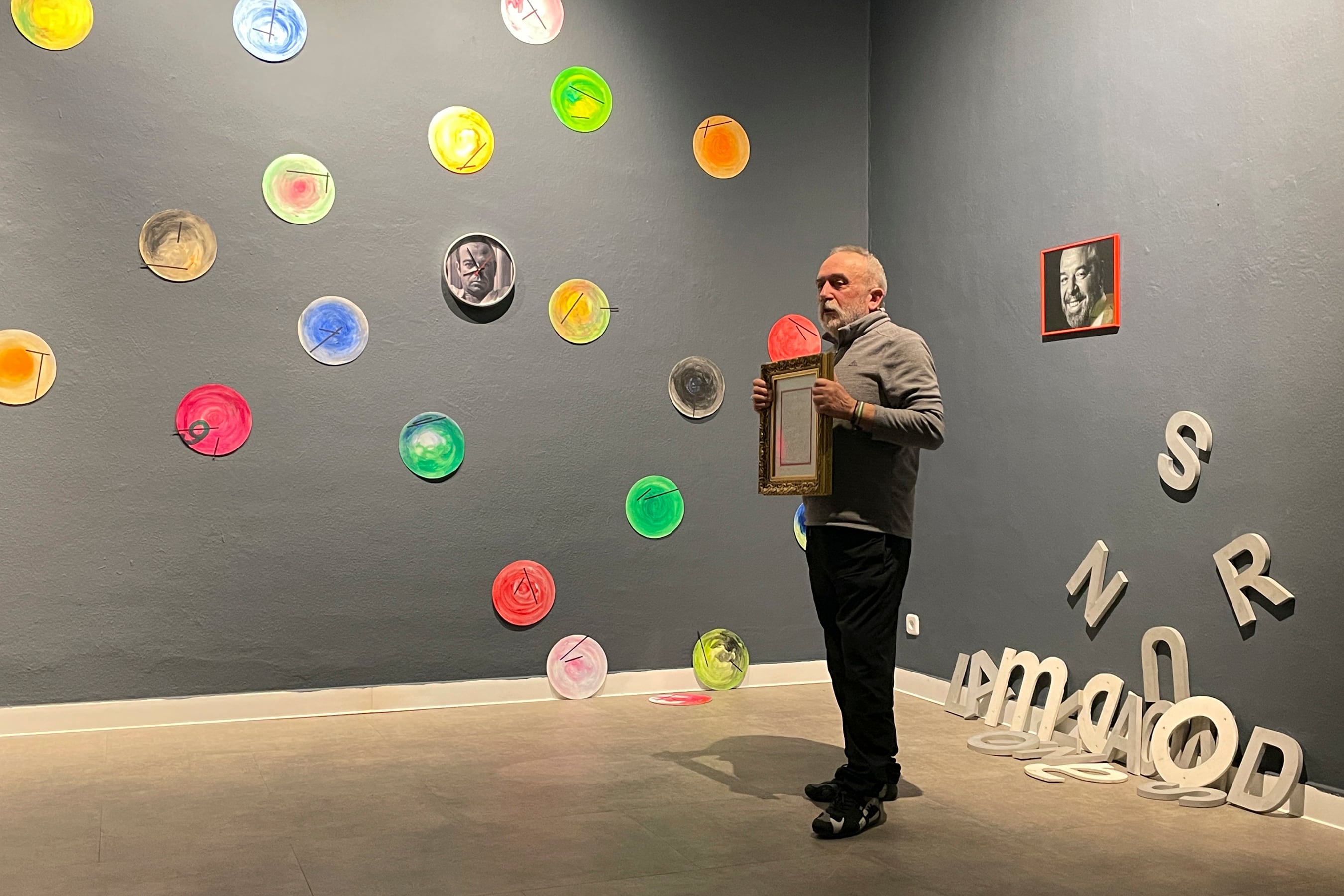
Todas las vidas de Pablo Sycet, pintor, diseñador, letrista y mucho más
World_news

Todas las vidas de Pablo Sycet, pintor, diseñador, letrista y mucho más

Creador plástico, organizador de exposiciones, letrista de canciones y diseñador, su personalidad poliédrica se concentra en el libro ‘Entre dos siglos’

Feb 2
3 min
0
Read Article
World_news

Jeffrey Epstein planned to loot Libya's frozen funds with the complicity of international intelligence services, including the Mossad

An email dated July 2011 shows that US billionaire Jeffrey Epstein and his close network sought to exploit the political and economic turmoil in Libya for financial gain.

Feb 2
3 min
0
Read Article
🎉

You're all caught up!

Check back later for more stories

Retour a l'accueil