Key Facts
- ✓ The V-16 emergency beacon became a mandatory requirement for all vehicles in Spain starting January 1, 2026.
- ✓ Pere Navarro serves as the Director of the Dirección General de Tráfico (DGT), the government agency responsible for traffic regulation.
- ✓ Fernando Grande-Marlaska is the Minister of the Interior, overseeing national security and internal affairs.
- ✓ The new regulation replaces the traditional warning triangle with the integrated V-16 light system for roadside emergencies.
Regulatory Whiplash
Spanish motorists are facing a confusing start to the new year as conflicting statements from top government officials leave the status of the mandatory V-16 emergency beacon in limbo. Just days after the new regulation took effect on January 1, 2026, drivers are already receiving mixed signals regarding enforcement.
The confusion centers on whether there is a grace period for those who fail to carry or use the new device during a vehicle breakdown. While the Interior Ministry offered reassurances of a lenient approach, the head of the traffic authority has taken a much harder line.
The Hard Line
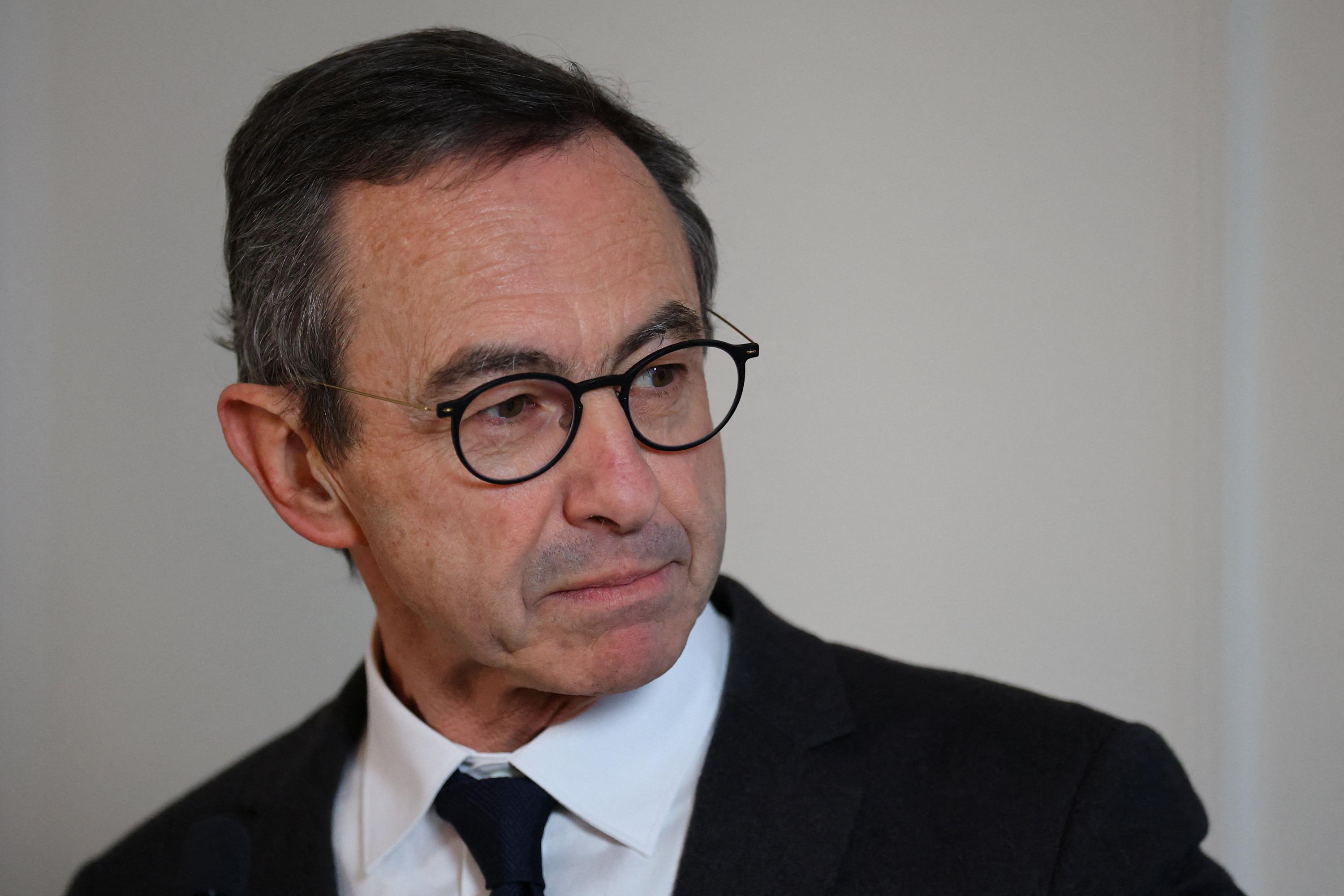
Pere Navarro, the Director of the Dirección General de Tráfico (DGT), has cast doubt on any period of tolerance. When asked about the timeline for imposing sanctions, Navarro provided a stark warning to drivers.
According to reports, Navarro stated that the law is currently in full effect and that agents will not hesitate to issue citations. He emphasized that the equipment is not optional and that failure to deploy it correctly during a stoppage will result in immediate legal consequences.
"En estos momentos, si tú paras por una avería y no la colocas, te van a denunciar porque es obligatorio por ley."
This statement suggests that the grace period many drivers were expecting does not exist, at least from the perspective of the DGT's highest authority.
"En estos momentos, si tú paras por una avería y no la colocas, te van a denunciar porque es obligatorio por ley."
— Pere Navarro, Director of the DGT
Ministerial Promise
The declaration by Navarro stands in direct opposition to the stance taken by Fernando Grande-Marlaska, the Minister of the Interior. Just one week prior, Grande-Marlaska had assured the public that the transition would be handled with understanding.
The Interior Minister had indicated that police officers would prioritize information over punishment during an initial implementation phase. His comments implied a 'reasonable' period where drivers would be educated about the new requirement rather than immediately penalized.
- Flexibility for drivers adapting to the new law
- Education prioritized over immediate sanctions
- A 'reasonable' transition period
These assurances provided a sense of security for motorists who might not have acquired the device yet, but Navarro's recent comments have effectively erased that certainty.
A Driver's Dilemma
The disconnect between the Ministry of Interior and the DGT has created a significant dilemma for the driving public. Motorists are left wondering which authority's guidance to follow as they navigate the roads.
If a vehicle suffers a mechanical failure, does the driver risk a fine for not having the V-16, or do they rely on the promise of leniency? The lack of a unified message from the government undermines the rollout of what is meant to be a critical safety upgrade.
Key questions remain unanswered:
- Is there an official grace period?
- Will police officers in different regions apply the rules differently?
- What is the exact penalty for non-compliance?
Safety vs. Sanctions
The V-16 beacon was introduced to modernize roadside safety, replacing the traditional warning triangle with a more visible, integrated light system. The goal is to reduce accidents on highways and secondary roads where visibility is often poor.
However, the current controversy is less about the technology itself and more about the enforcement strategy. The Interior Ministry appears to favor a gradual, educational approach to ensure widespread adoption, while the DGT leadership is focused on strict adherence to the letter of the law from day one.
Until a unified policy is communicated, drivers remain caught between the promise of patience and the threat of immediate fines.
Key Takeaways
As the dust settles on the new year's legislative changes, the conflict between traffic authorities highlights a breakdown in communication at the highest levels of government.
Motorists should be aware that while the Interior Minister has promised flexibility, the Director of the DGT has explicitly stated that fines are being issued now. Until the government clarifies this discrepancy, the safest course of action for drivers is to ensure they are fully compliant with the V-16 requirement to avoid any risk of sanction.