M
MercyNews
Home
Back
Filósofo analiza la disminución de las tasas de natalidad
Society

Filósofo analiza la disminución de las tasas de natalidad

Le FigaroNov 6
3 min de lectura
📋

Hechos Clave

  • Se publicó un nuevo tratado filosófico titulado "Défécondité" el 6 de noviembre de 2025
  • La obra fue publicada por Gallimard y escrita por el filósofo Olivier Rey
  • El libro analiza las causas de la caída de las tasas de natalidad en los países desarrollados
  • Los números de nacimientos están ahora muy por debajo de lo necesario para la renovación generacional

Resumen Rápido

Se ha publicado un nuevo tratado filosófico titulado "Défécondité" por Gallimard, escrito por el filósofo Olivier Rey. El libro analiza las causas profundas detrás de la marcada disminución en las tasas de natalidad en las naciones desarrolladas. Rey argumenta que los números de nacimientos han caído tan bajo que ahora están significativamente por debajo del nivel requerido para el reemplazo generacional. La obra explora las razones culturales y sociales de esta pérdida del deseo de dar vida. Publicado el 6 de noviembre de 2025, el tratado aborda una tendencia demográfica crítica que afecta a muchos países en todo el mundo. El filósofo examina por qué las sociedades modernas han aparentemente abandonado el impulso fundamental de procrear, presentando un análisis profundo de este fenómeno contemporáneo.

Nueva Obra Filosófica Examina el Declive Demográfico

Olivier Rey ha lanzado un nuevo tratado filosófico titulado "Défécondité" a través del editor Gallimard. La obra fue publicada el 6 de noviembre de 2025, y aborda inmediatamente una de las cuestiones más urgentes que enfrentan las sociedades modernas. La tesis central del libro se centra en la dramática caída en las tasas de natalidad observada en los países desarrollados en las últimas décadas.

El filósofo presenta un análisis detallado de por qué los números de nacimientos han alcanzado niveles críticamente bajos. De acuerdo con la obra, la situación actual representa más que una tendencia estadística. Rey enmarca esto como un cambio fundamental en cómo las culturas modernas ven el acto de dar vida. El título mismo, "Défécondité", sugiere una pérdida deliberada o social de la fertilidad más allá de las restricciones biológicas.

La oportunidad de esta publicación es significativa, ya que las preocupaciones demográficas continúan dominando las discusiones de políticas en todo el mundo desarrollado. Muchas naciones están lidiando con poblaciones envejecidas y fuerzas laborales en contracción. El enfoque filosófico de Rey ofrece una perspectiva diferente sobre estas tendencias bien documentadas.

Las Tasas de Natalidad Caen por Debajo de los Niveles de Reemplazo

El argumento central presentado en la obra de Rey se centra en la realidad matemática de las tasas de natalidad actuales. En los países desarrollados, el número de nacimientos ha caído "muy por debajo" de lo necesario para la renovación generacional. Este umbral, conocido como la tasa de reemplazo, requiere típicamente aproximadamente 2.1 hijos por mujer para mantener la estabilidad de la población.

Los datos demográficos actuales muestran que muchas naciones desarrolladas han caído muy por debajo de este nivel crítico. Las consecuencias de una fertilidad sostenida por debajo del reemplazo son profundas y de gran alcance. Con el tiempo, esto conduce a poblaciones en contracción, fuerzas laborales envejecidas y una mayor presión sobre los sistemas de apoyo social.

El análisis de Rey sugiere que este declive no es meramente el resultado de factores económicos o de políticas. En cambio, el filósofo señala cambios culturales y psicológicos más profundos. La obra argumenta que las sociedades han cambiado fundamentalmente su relación con el concepto de crear nueva vida.

La Pérdida del Deseo de Dar Vida

En el corazón del análisis de Rey está el concepto de "perder el deseo de dar vida". Esto va más allá de las simples estadísticas de fertilidad para explorar las dimensiones psicológicas y culturales de la reproducción. El filósofo argumenta que las sociedades modernas han desarrollado una renuencia colectiva hacia la procreación que trasciende las consideraciones prácticas.

El tratado examina varios factores que pueden contribuir a este fenómeno. Estos incluyen valores cambiantes en torno a la familia, la carrera y la realización personal. Rey sugiere que la cultura contemporánea ha creado un entorno donde tener hijos es cada vez más visto como opcional o incluso una carga en lugar de esencial.

Esta perspectiva filosófica replantea el debate demográfico de preocupaciones puramente numéricas a cuestiones de significado y propósito. La obra desafía a los lectores a considerar qué cambios fundamentales en la visión del mundo han hecho que el acto de dar vida parezca menos necesario o deseable en contextos modernos.

Implicaciones para las Naciones Desarrolladas

La publicación del tratado de Rey llega en un momento crítico para muchas naciones desarrolladas. Países en Europa, Asia Oriental y América del Norte están experimentando desafíos demográficos sin precedentes. Las tasas de natalidad sostenidamente bajas amenazan la estabilidad económica, los sistemas de seguridad social y la vitalidad nacional a largo plazo.

El examen filosófico de Rey proporciona un marco para comprender estos desafíos más allá de las discusiones de políticas convencionales. Al centrarse en las dimensiones culturales y psicológicas de la fertilidad, la obra sugiere que las soluciones pueden requerir más que incentivos económicos o políticas familiares.

La liberación del libro a través de Gallimard asegura que llegará a una audiencia amplia interesada en las tendencias sociales y perspectivas filosóficas sobre temas contemporáneos. A medida que los gobiernos e instituciones continúan lidiando con el declive demográfico, obras filosóficas como esta ofrecen un contexto valioso para comprender las corrientes más profundas que dan forma a las tendencias de población.

#Vox Société

Continue scrolling for more

La IA transforma la investigación y las demostraciones matemáticas
Technology

La IA transforma la investigación y las demostraciones matemáticas

La inteligencia artificial está pasando de ser una promesa a una realidad en las matemáticas. Los modelos de aprendizaje automático generan teoremas originales, forzando una reevaluación de la investigación y la enseñanza.

-2578h
4 min
160
Read Article
Dnit declara emergência em trecho da BR-364 após erosão e afundamento de pista no Acre
Accidents

Dnit declara emergência em trecho da BR-364 após erosão e afundamento de pista no Acre

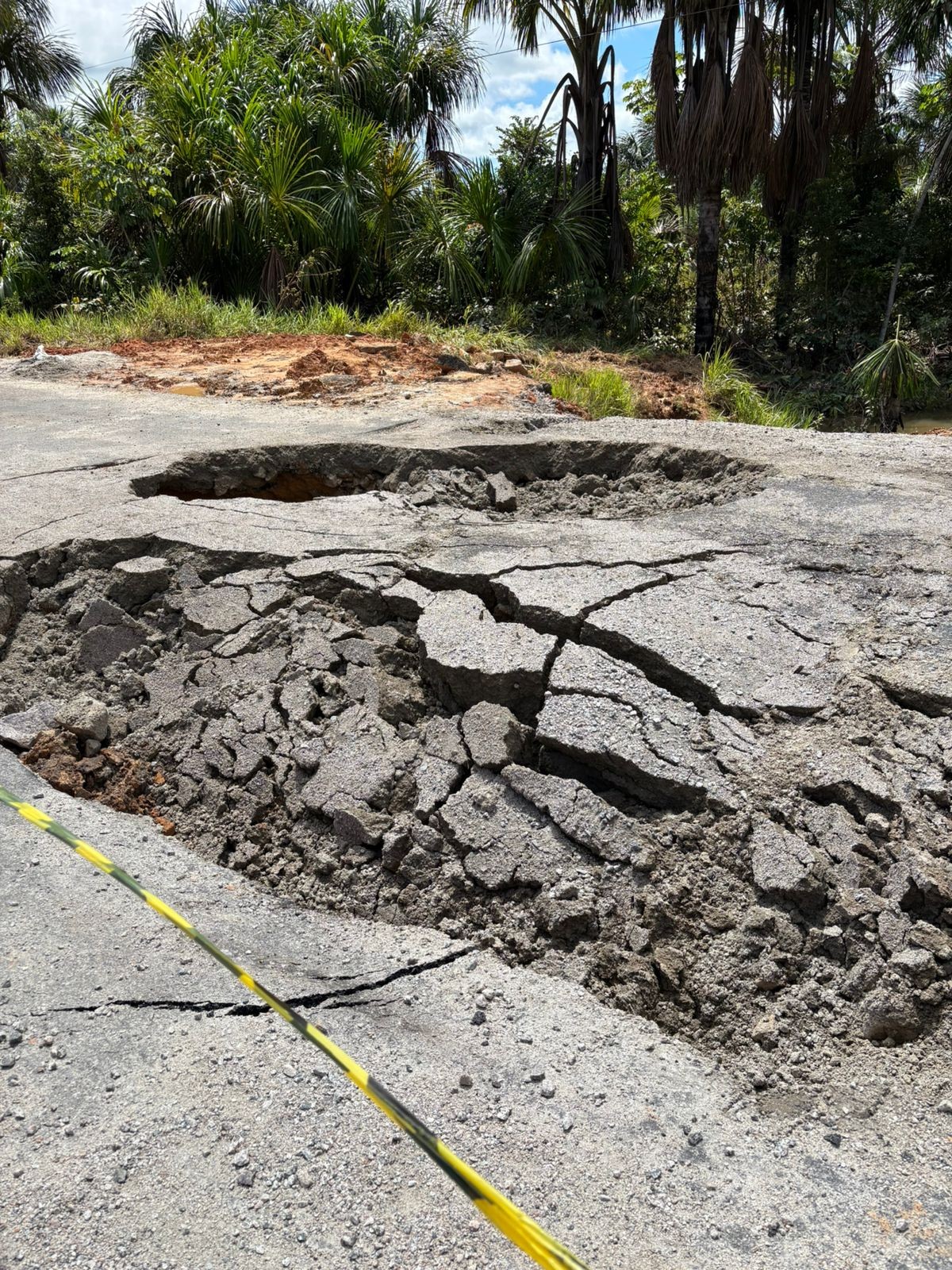
Trecho da BR-364 em Cruzeiro do Sul sofreu erosão em dezembro do ano passado Carla Carvalho/Rede Amazônica O Departamento Nacional de Infraestrutura de Transportes (Dnit) declarou situação de emergência em um trecho da BR-364, no Acre, devido ao grave estado de degradação da rodovia no km 722, em Cruzeiro do Sul, no interior do Acre. A medida consta na Portaria nº 120, de 9 de janeiro de 2026, publicada no Diário Oficial da União (DOU) nesta terça-feira (13). ✅ Participe do canal do g1 AC no WhatsApp De acordo com o documento, o trecho apresenta processos erosivos profundos que comprometem a plataforma e os taludes da rodovia, além de afundamento com ruptura do pavimento. O problema, ainda segundo o Dnit, foi provocado pela saturação do subleito após o aumento do volume de água do Igarapé Santa Luzia, em decorrência das fortes chuvas registradas nos dias 27 e 28 de dezembro de 2025. DNIT inicia recuperação da BR-364 próximo da comunidade Santa Luzia, em Cruzeiro do Sul O trecho abrangido pela medida inclui segmentos das rodovias BR-364 e BR-307, entre eles a ligação entre o interior do Acre e a divisa com o Amazonas e o Peru. No caso específico da BR-364, o segmento afetado vai do km 682,9 ao km 752,5, com destaque para o ponto crítico no km 722. LEIA MAIS: Lula anuncia investimento de mais de R$ 800 milhões para obras da BR-364 no Acre Do isolamento à integração: com mais de R$ 800 milhões do governo federal, AC vive expectativa de reconstrução histórica da BR-364 A portaria, assinada pelo superintendente regional do departamento, Ricardo Araújo, ratifica a Declaração de Situação de Emergência e serve de base para a adoção de procedimentos previstos no Guia de Contratações Emergenciais, permitindo ações mais rápidas para conter a crise e garantir a segurança dos usuários da rodovia. A portaria entrou em vigor na data da publicação. O g1 entrou em contato com o Dnit para saber quais intervenções serão realizadas e o prazo para execução das obras emergenciais e aguarda retorno. Km 722 da Br-364 apresentou processos erosivos profundos que comprometem a plataforma e os taludes da rodovia no Acre Carla Carvalho/Rede Amazônica VÍDEOS: g1

2h
3 min
0
Read Article
I thought I'd planned my first solo trip perfectly. After just 3 nights, I was desperate to go home.
Lifestyle

I thought I'd planned my first solo trip perfectly. After just 3 nights, I was desperate to go home.

I went on my first solo trip and realized that I prefer traveling with friends. Sean Abrams In the summer of 2022, I went to London for my first solo trip to see my favorite artist perform. The concert was amazing, and I enjoyed my itinerary, but I wasn't prepared for how lonely I'd feel. I know now that traveling alone isn't for me, and that's OK — I much prefer to go with friends. The idea of solo traveling always seemed like a bit of a nightmare to me. Although I'm independent, I'm not naturally social with strangers, and I don't enjoy going on adventures by myself. It's not the planning that throws me off, but rather the ability to feel OK in the in-between moments when there's no one to talk to or share the day with. But I pushed past all of that when I realized taking a solo trip (abroad, no less) would give me the opportunity to see my favorite artist, UK girl group Little Mix, perform live — something I never thought I'd do. Other than opening for artists like Demi Lovato and Ariana Grande, they never really toured in the US, and seeing them always felt like a long shot unless I traveled abroad. So, a year in advance, I bought tickets to their summer 2022 performance at the O2 Arena in London, booked my flights, and created the itinerary of my dreams, complete with tickets to see a limited run of "Legally Blonde" at Regent's Park Open Air Theatre and a stop at the London Zoo. If I was finally going on my first solo trip, I was going to make the most of it — and I was glad to be in an English-speaking country that seemed packed with things to do. As I boarded my flight, I was almost more excited than nervous. But by the end of the trip, I knew that even the promise of seeing my absolute favorite artist live wouldn't make me choose to travel solo again. Despite being so well-prepared, I was much lonelier than I'd anticipated I enjoyed sightseeing, but would often return to my hotel room, unsure of how else to fill my time. Sean Abrams When I arrived in London, I didn't struggle with any of the actual logistics of getting around. I live in Manhattan, so I know how to navigate a big city and read a map. However, I struggled with being alone. I'd sit down at a restaurant, order quickly, eat, and leave. When I was browsing stores, I didn't have anyone to ask for a second opinion. I started to miss the sound of my own voice. I didn't realize how much enjoyment I get from sharing moments with others. There were so many long stretches where I struggled to figure out how to fill the day, despite building my dream itinerary. More than once, I'd end up back at my hotel earlier than planned, not because I was tired but because I didn't know how to build a night for myself. I slowly realized thinking I'd thrive for seven days might've been a little presumptuous. Despite not going quite how I'd imagined, the concert was still one of the highlights of my solo trip. Sean Abrams However, the concert itself was nothing less than a religious experience. I was so happy to finally see Little Mix live, but I have to admit, I'd imagined the night going differently. I hoped I'd be surrounded by fellow gays who would take notice of me all by my lonesome, only to fold me into their group. However, I ended up being seated next to a very sweet mother and daughter, who were nice enough to take a photo of me. After the encore, I grabbed my merch and left the stadium with nowhere to go except — you guessed it — my hotel room. The next morning, it hit me that I still had three days left. I looked up flights home, but changing them was way too expensive. That's when the tears started flowing. I cried because I was lonely, but also because I was embarrassed to be feeling this way in such a magical city. I don't regret a thing, though I returned to London with friends two years later and had an amazing time. Sean Abrams Things got a bit better once I stopped waiting for my entire personality to magically change during the course of the trip. At the end of the day, I knew I was never going to walk into a bar and make instant friends, no matter how much I craved that outcome. The lesson from this wasn't "solo travel is bad." It was that, at least for me, traveling solo doesn't bring out the version of myself I like most. I'm adventurous and willing to face the uncomfortable, but I'm also someone who feels grounded when surrounded by familiar people. Both can be true. The clearest proof of this came in July 2024, when I returned to London with friends. I arrived in the city two days early for a little bit of solo time — something I actually looked forward to, knowing what the rest of the vacation had in store — and it felt like a full-circle moment. Once my friends arrived, the city opened up. We went to my favorite Indian restaurant, giggled through a production of "Magic Mike Live," and watched football at the pub over pints like locals. By the end, I was genuinely sad to leave. I don't regret going to London the first time. With a little self-reflection, I realized it taught me that I don't need to love solo travel to earn a badge of bravery. I can push myself in other ways and still travel in a way that suits me. I'll still explore new places — I'll probably just bring a friend along for the ride. Read the original article on Business Insider

2h
3 min
0
Read Article
Apple lanza el paquete de aplicaciones 'Creator Studio'
Technology

Apple lanza el paquete de aplicaciones 'Creator Studio'

Apple ha introducido un nuevo paquete de suscripción llamado 'Creator Studio', que ofrece acceso a aplicaciones creativas profesionales por una tarifa mensual.

2h
4 min
0
Read Article
Rad Power Bikes lanza nueva bicicleta eléctrica ante rumores de cierre
Technology

Rad Power Bikes lanza nueva bicicleta eléctrica ante rumores de cierre

A pesar de rumores de cierre, Rad Power Bikes anunció el lanzamiento de la 'New RadWagon', una nueva versión de su bicicleta eléctrica de carga.

2h
2 min
6
Read Article
Audiencia de apelación de Marine Le Pen programada para el verano de 2026
Politics

Audiencia de apelación de Marine Le Pen programada para el verano de 2026

Marine Le Pen enfrenta una apelación crucial contra una condena por malversación que podría impedirle postularse a la presidencia francesa.

2h
3 min
6
Read Article
Doble fatalidad en Itapororoca: Mujer baleada, esposo fallece
Crime

Doble fatalidad en Itapororoca: Mujer baleada, esposo fallece

Las autoridades en Itapororoca, Paraíba, investigan un incidente violento que resultó en dos muertes. La víctima, Fernanda Patrícia, fue baleada fatalmente, y su esposo, Rubenilson Santos da Silva, fue encontrado muerto en la escena.

2h
3 min
6
Read Article
I started drinking at 14, and it became a dangerous habit for more than 55 years. I'm finally sober at 70.
Health

I started drinking at 14, and it became a dangerous habit for more than 55 years. I'm finally sober at 70.

From left: Barbara Face pictured as a teenager when she first started drinking, at the height of her alcoholism, and sober, as she is today. Courtesy of Barbara Face Barbara Face began drinking at 14 when a boy secretly brought beer to a church treat she attended. The habit continued during her life as she increasingly used alcohol to relax and escape reality. She got sober more than a year ago with help from an app that guided her through the process. This story is based on a conversation with Barbara Face, 70, a former training manager from Phoenix. It has been edited for length and clarity. I'll never forget the first time I drank alcohol to excess. I'd had the occasional, tiny taste of it when my parents had it with a meal, but this experience was different. We were at a church retreat, and a boy had sneaked in a six-pack of beer. He stashed it in a pile of snow to keep it cold, and we opened the bottles with glee. After a while, I started to feel happy. However, it was accompanied by a sense of numbness. Things were tough at home, and I forgot about my problems for a while. Drinking made me feel better My friend and I started drinking sweet, fortified wine. We had to rely on older kids to buy it from stores, who mostly used fake IDs. I couldn't help notice that my high school friends drank less than I did. They wanted to have fun, but it was more than just a joyride for me. I just wanted to feel better. Face as a teenager, around the time she started drinking. Courtesy of Barbara Face On my 18th birthday, a friend drove me over the border to Wisconsin, where the legal drinking age was 18, compared to 21 in our native Minnesota. It was thrilling to be in a bar. My parents didn't want me to go down the college route. They thought it was wrong for a girl to do so. It damaged my self-esteem, and my outlet continued to be drinking. Still, I'd describe myself more as a social drinker in my late teens and early 20s. I got married at 19, but divorced five years later. The break-up hit me hard. It was painful to be so hungover I ran with a fast crowd, and weekends were about drinking. One night, in my early 30s, I filled a flask with vodka. I was swigging it while dancing. I don't remember driving home, but I crashed my car into a barrier. Somebody came by and took me home, and my friends helped me pick up my car the following day. I was so hungover, it was painful. The fact that I'd blacked out scared me to death. Face said she looked bloated before she quit drinking Courtesy of Barbara Face A therapist referred me to a 30-day treatment center where I dried out. The clinicians were so worried about me, they would only release me to a women's halfway house. I joined AA and became a sober person for a few years. Then my mental health deteriorated again. I went back to my old ways and drank up to two bottles of vodka every weekend. Then, after being accepted into a Master's program at Ohio State University, I began to drink hard liquor every night alone after school. I had terrible hangovers and felt ashamed and guilty. I wrecked my car on the way to a casino I moved to Birmingham, Alabama, after taking a job in a call center. The hangovers made me angry and resentful. It was always someone else's fault, not mine, and I was reported by a supervisor for erratic behavior and swearing. Somehow, I managed to hold onto my job and move with the company to Phoenix in my 40s. I was drunk and headed to a casino, when I totaled my car. Face began with drinking beer before graduating to hard liquor and wine. Courtesy of Barbara Face Fortunately for me, it was on a Native American reservation, and the police officer who attended didn't have the jurisdiction to breathalyze me. I refused, and it got me out of a DUI. Two decades went by. There were days when I didn't want to wake up in the morning. My blood pressure was very high "I'll have a small glass of wine at 3 p.m.," I'd tell myself. Then it would be 2 p.m. I drank one or two bottles of wine a day. My dinner was inevitably liquid. It wasn't the taste I was after; it was the emotional release. The wake-up call came in September 2024 after an annual check-up at the doctor's office. My bloodwork results were dangerous. My blood pressure was very high, and I was also verging on pre-diabetes. Face at her 70th birthday party which she celebrated without alcohol. Courtesy of Barbara Face The doctor asked about my blood sugar levels and whether I liked sweet things. She asked about my drinking, and I lied about the amount because I was ashamed. I said it was about two glasses of wine a day. "You should try to cut back," she said. It was around that time that I received a marketing email from an app that offers advice on both reducing and eliminating alcohol intake. I downloaded the app and read how much my brain was being affected by the effects of alcohol, particularly at my age. I attend online groups I started to reduce my drinking by 10%, and then more. I'd measure out my glass of wine, which I'd sip during my evening meal. There were podcasts and readings about how much a woman should be drinking at my age. Then I joined some of the online groups, which were non-judgmental and supportive. Face, pictured with her dog, Lumi, enjoying a sober lifestyle on a hike. Courtesy of Barbara Face Cutting back lifted my depression a bit. I started to sleep better after years of insomnia. The endless cycle of negative thoughts slowed down. Next, I began weaning myself off altogether. The first day I was able to go without alcohol was super exciting for me. It was a huge accomplishment. I was concerned about my 70th birthday party One day without drinking turned into two, then three, then a week. I'd never been proud of myself, but I was on top of the world when I had my last-ever drink on December 9, 2024. I had anxiety ahead of my 70th birthday party in late January 2025. "How will I be able to celebrate without Champagne?" I thought to myself. I managed fine. Face said she is proud of herself for stopping drinking. Courtesy of Barbara Face Then, my sister-in-law and I went on a cruise along the River Danube. Everybody was drinking, but I stuck to my cranberry juice and tonic water. It felt good to travel without being hungover. I had my bloodwork redone last April, and there was a marked improvement. I was no longer at risk of being pre-diabetic. My blood pressure had lowered. In the meantime, I look and feel a whole lot better. My face no longer looks bloated. I've started doing yoga and feel a lot more fit. People ask me if I'm worried that I might go back to drinking. What's stopping me is the thought of a healthy future. As I approach 71, I'm in the last stages of my life, but I still find it worthwhile to be alcohol free. Read the original article on Business Insider

2h
3 min
0
Read Article
UTJ’s Gafni calls for government to ignore High Court rulings on Haredi draft law
Politics

UTJ’s Gafni calls for government to ignore High Court rulings on Haredi draft law

MK joins coalition lawmakers calling for defiance of judiciary; Lapid warns disobeying court would expose IDF soldiers to international lawsuits The post UTJ’s Gafni calls for government to ignore High Court rulings on Haredi draft law appeared first on The Times of Israel.

2h
3 min
0
Read Article
Tubulação da Sabesp rompe e alaga avenida de Ferraz de Vasconcelos
Accidents

Tubulação da Sabesp rompe e alaga avenida de Ferraz de Vasconcelos

Tubulação da Sabesp rompe e alaga avenida de Ferraz de Vasconcelos Uma tubulação da Companhia de Saneamento Básico do Estado de São Paulo (Sabesp) se rompeu e alagou a avenida Santos Dumont, em Ferraz de Vasconcelos, na manhã desta terça-feira (13). ✅ Clique para seguir o canal do g1 Mogi das Cruzes e Suzano no WhatsApp A via foi interditada para a realização dos reparos necessários. Segundo a Prefeitura, a tubulação, chamada de adutora, é responsável pelo abastecimento de água do município. De acordo com a Sabesp, o abastecimento de 15 bairros bairros da cidade deve ser afetado. A recomendação é o uso consicente de água (confira a lista abaixo). A companhia informou uma equipe foi enviada ao local para reparar o vazamento. A previsão é que o serviço seja finalizado até quarta-feira (14) e o abastecimento de água seja normalizado de forma gradual ao longo do dia. Bairros afetados pelo rompimento Jardim Dayse; Jardim Dulce; Jardim Juliana;edo; Jardim Juliana; Jardim Leila; Jardim Melilo; Jardim Nova Poá; Jardim São Luiz,; Loteamento Baxman; Parque São Francisco; Vila Corrêa; Vila Santo Antônio; Vila Margarida; Vila São Paulo; Vila Cristina. Avenida está interditada por conta da água Reprodução / Salve FERRAZ Assista a mais notícias sobre o Alto Tietê

2h
3 min
0
Read Article
🎉

You're all caught up!

Check back later for more stories

Volver al inicio