M
MercyNews
Home
Back
La Guerra Venidera contra la Propiedad de Automóviles
Automotive

La Guerra Venidera contra la Propiedad de Automóviles

Hacker News2h ago
3 min de lectura
📋

Hechos Clave

  • Un movimiento creciente liderado por innovadores tecnológicos y estrategas políticos está desafiando el modelo tradicional de propiedad de vehículos personales.
  • Defensores del código abierto como George Hotz están impulsando una mayor transparencia y control del usuario en los sistemas de software automotriz.
  • Aceleradoras de startups como Y Combinator financian activamente empresas que desarrollan alternativas a la propiedad tradicional de automóviles.
  • Planificadores urbanos y defensores del medio ambiente ven cada vez más el uso reducido de automóviles privados como esencial para el desarrollo sostenible de las ciudades.
  • Nuevos modelos económicos están trasladando el transporte de un modelo de propiedad intensivo en capital a un modelo de acceso más flexible basado en servicios.
  • La transición plantea importantes cuestiones sobre equidad, libertad personal y el futuro del diseño de infraestructura urbana.

Resumen Rápido

El automóvil personal, un símbolo histórico de libertad e individualidad, está enfrentando un desafío sin precedentes. Una poderosa coalición de innovadores tecnológicos y estrategas políticos está reconfigurando activamente el panorama del transporte personal.

Este movimiento señala un posible cambio de paradigma alejándose del modelo tradicional de propiedad de vehículos privados. Las fuerzas que impulsan este cambio son multifacéticas, combinando tecnología avanzada con metas sociales en evolución.

La Vanguardia Tecnológica

En la vanguardia de esta transformación están los pioneros del sector tecnológico. George Hotz, una figura reconocida en las comunidades de hacking y código abierto, ha sido un crítico vocal de los sistemas cerrados en los vehículos modernos. Su trabajo destaca una creciente demanda de transparencia y control del usuario en el software automotriz.

Este impulso hacia plataformas abiertas cuenta con el respaldo del ecosistema tecnológico más amplio. Y Combinator, una aceleradora de startups líder, ha financiado consistentemente empresas que desafían a las industrias tradicionales. Su cartera incluye compañías centradas en la conducción autónoma, la infraestructura de vehículos eléctricos y las plataformas de movilidad como servicio.

El argumento tecnológico para reducir la propiedad de automóviles se basa en varios pilares clave:

  • Las redes de vehículos autónomos prometen viajes más seguros y eficientes
  • La tecnología de vehículos eléctricos reduce el impacto ambiental
  • Los vehículos definidos por software crean nuevas posibilidades para la experiencia del usuario
  • La conectividad permite una integración perfecta con la infraestructura urbana

Impulsores Políticos y de Política

El avance tecnológico por sí solo no dicta el futuro del transporte. La voluntad política y las decisiones de política juegan un papel igualmente crucial en la configuración del panorama de la movilidad. Los gobiernos y los organismos internacionales ven cada vez más la reducción de la propiedad de automóviles privados como un objetivo estratégico.

Las motivaciones detrás de este cambio político son diversas e interconectadas. Los planificadores urbanos buscan recuperar espacio urbano actualmente dedicado a estacionamiento y carreteras. Los defensores del medio ambiente presionan por la reducción de emisiones y la congestión. Los estrategas económicos ven oportunidades en nuevos modelos basados en servicios.

Las consideraciones políticas clave incluyen:

  • Iniciativas de planificación urbana que priorizan a los peatones y el transporte público
  • Marco regulatorio para el despliegue de vehículos autónomos
  • Subsidios e incentivos para servicios de movilidad compartida
  • Regulaciones ambientales que apuntan a los motores de combustión interna

Estas políticas crean colectivamente un entorno donde las alternativas a la propiedad privada se vuelven cada vez más atractivas y prácticas.

El Cambio Económico

El modelo económico del transporte personal está experimentando una transformación fundamental. El enfoque tradicional de comprar un vehículo representa una inversión de capital significativa con costos continuos de mantenimiento, seguro y combustible. Surgen nuevos modelos que trasladan esto de la propiedad al acceso.

Los servicios por suscripción y las plataformas de movilidad ofrecen a los consumidores flexibilidad sin el compromiso financiero a largo plazo de la propiedad de un vehículo. Este modelo se alinea con las tendencias más amplias en la "economía compartida", donde se valora el acceso sobre la posesión.

Para los consumidores, los beneficios potenciales incluyen:

  • Reducción del costo total del transporte
  • Acceso a una mayor variedad de vehículos
  • Eliminación de las responsabilidades de mantenimiento
  • Mayor flexibilidad en los arreglos de vida urbana

Sin embargo, este cambio también plantea importantes cuestiones sobre la privacidad de los datos, la confiabilidad del servicio y el impacto económico a largo plazo en las industrias automotrices tradicionales.

Implicaciones Sociales

El alejamiento de la propiedad de automóviles tiene profundas implicaciones para la sociedad en general. La relación entre los individuos y sus elecciones de transporte está profundamente arraigada en la identidad cultural y la libertad personal.

Para muchos, un automóvil representa independencia, espontaneidad y estatus. La transición a un modelo de movilidad basado en servicios requiere un cambio psicológico significativo. También plantea cuestiones sobre equidad y acceso, particularmente en áreas con infraestructura de transporte público limitada.

Consideraciones importantes para esta transición incluyen:

  • Garantizar un acceso equitativo a los servicios de movilidad en todos los grupos demográficos
  • Mantener la libertad y flexibilidad personal en un modelo basado en servicios
  • Abordar la brecha digital en el acceso a las nuevas plataformas de movilidad
  • Preservar la opción de propiedad de vehículos personales para quienes la deseen

El éxito de esta transición dependerá de la creación de sistemas que no solo sean tecnológicamente avanzados y eficientes, sino también inclusivos y respetuosos de las preferencias individuales.

Viendo Hacia el Futuro

La convergencia de la innovación tecnológica, la estrategia política y la evolución económica está creando un poderoso impulso hacia la reimaginación del transporte personal. Si bien la eliminación completa de la propiedad de automóviles sigue siendo una perspectiva distante, las tendencias son innegables.

Los próximos años probablemente verán un desarrollo acelerado en tecnología autónoma, servicios de movilidad expandidos y políticas urbanas en evolución. El desafío para la sociedad será navegar esta transición de una manera que equilibre la eficiencia y el progreso con la elección individual y la accesibilidad.

A medida que estas fuerzas continúan interactuando, el concepto mismo de movilidad personal se está redefiniendo. El resultado no solo moldeará cómo nos movemos, sino también cómo vivimos, trabajamos y diseñamos nuestras ciudades para las generaciones venideras.

Preguntas Frecuentes

¿Qué impulsa el movimiento contra la propiedad de automóviles?

El movimiento está impulsado por una combinación de innovación tecnológica, estrategia política y evolución económica. Los factores clave incluyen avances en tecnología de vehículos autónomos, preocupaciones ambientales, objetivos de planificación urbana y el auge de modelos económicos basados en servicios.

¿Quiénes son los actores clave en esta transformación?

La transformación involucra a innovadores tecnológicos como George Hotz, que aboga por sistemas automotrices abiertos, y organizaciones como Y Combinator, que financia startups de movilidad. Además, planificadores urbanos, defensores del medio ambiente y responsables de políticas están dando forma al panorama regulatorio e infraestructural.

¿Cuáles son los beneficios potenciales para los consumidores?

Los beneficios potenciales incluyen una reducción de los costos totales de transporte, acceso a una mayor variedad de vehículos sin compromiso a largo plazo, eliminación de las responsabilidades de mantenimiento y mayor flexibilidad en los arreglos de vida, particularmente en áreas urbanas.

¿Qué desafíos enfrenta esta transición?

Los desafíos incluyen garantizar un acceso equitativo a los servicios de movilidad, abordar las preocupaciones sobre privacidad de datos y libertad personal, gestionar la brecha digital y diseñar una infraestructura que respalde tanto las formas nuevas como las tradicionales de transporte.

Continue scrolling for more

La IA transforma la investigación y las demostraciones matemáticas
Technology

La IA transforma la investigación y las demostraciones matemáticas

La inteligencia artificial está pasando de ser una promesa a una realidad en las matemáticas. Los modelos de aprendizaje automático generan teoremas originales, forzando una reevaluación de la investigación y la enseñanza.

Just now
4 min
388
Read Article
I'm a co-creator of Alexa. Writing a 6-page memo helped me decide to quit Amazon and launch my own AI startup.
Technology

I'm a co-creator of Alexa. Writing a 6-page memo helped me decide to quit Amazon and launch my own AI startup.

William Tunstall-Pedoe is the founder and CEO of UnlikelyAI. Courtesy of William Tunstall-Pedoe William Tunstall-Pedoe founded True Knowledge, later Evi, which Amazon acquired to build Alexa. He left Amazon in 2016 after almost four years at the tech giant to re-enter the startup world. He used a six-page memo to decide whether he should leave Amazon. This as-told-to essay is based on a conversation with William Tunstall-Pedoe, 56, a founder and CEO. Amazon's acquisition of his startup and his role at Unlikely AI have been verified by Business Insider. This piece has been edited for length and clarity. I helped create Alexa, a product that everyone has heard of and most people have used. I'm proud of what we built. But by 2016, it was clear that leaving Amazon, which I joined after the company acquired my startup, was the right decision. Continuing to work on Alexa would have been a very different job from building and launching startups, which I love to do. Do you work in AI? If you're comfortable speaking about it with a Business Insider reporter, please fill out this quick form. We want to hear from people who made a mid-career switch into the industry. I wanted to build something that would change the world When I was 13, I would go to a college next to my school to use their mainframe, and since then I've been excited by computers and pushing the boundaries of what's possible with software. I studied computer science at the University of Cambridge and taught there after graduating in 1991, but I felt better suited to entrepreneurship than to academia. If you create something genuinely new in software, it can be on a billion smartphones in six months and truly change the world. That's impact. I set out to solve what I saw as a big problem. Internet search relied on users guessing keywords to get results, rather than asking natural questions like we learn to do as children. I imagined a world where you could have that same kind of conversation with computers, which led me to found True Knowledge in 2006. Joining Amazon was the right decision Initially, we tried to build a search engine that would compete with Google, which didn't work. Then, we enabled other companies to integrate our search engine into their own products — but the larger companies didn't. For a time, we focused on SEO. The final pivot was building a voice assistant. We created an application called Evi, which launched in the UK in 2012, a year after Apple introduced Siri. We renamed the company from True Knowledge to Evi to match our product. As a 30-person startup, we suddenly found ourselves competing with the world's most valuable company. We spent much of that year talking to major players in tech about being acquired. Later in 2012, Amazon bought our company. William Tunstall-Pedoe joined Amazon after his startup, Evi, was acquired by the tech giant. Courtesy of William Tunstall-Pedoe Joining Amazon was the right decision. The company invested heavily in the city of Cambridge, where Evi was based, and turned our startup into a major Amazon office. Our voice assistant became one of the company's biggest and most exciting secrets. Moving from running a small startup to working inside a business with hundreds of thousands of employees, with Jeff Bezos at the top, was a big change, but I loved working there. I split my time between Amazon's offices in Seattle and Cambridge, and enjoyed going back and forth, making things happen. When we launched Alexa, we were taken aback by the response. It was instantly successful. Today, Alexa is a household name. I'm immensely proud of the Evi team. I wrote a memo to decide whether to leave Amazon Amazon is known for using six-page memos instead of PowerPoint presentations to promote clarity of thought. In 2016, I wrote one to help me decide if I should leave Amazon. In the memo, I laid out these facts: I'd delivered everything I could, the acquisition had been an unambiguous success, and so too had the product. At the time, thousands of people were working on Alexa. After about three and a half years at Amazon, in 2016, it was time to go. I wanted to re-enter the startup world. Startups can be better-suited to exploring unconventional ideas It's certainly possible to launch something new within a big organization, and there are real advantages to doing so. When we launched Alexa, it immediately appeared on the front page of Amazon.com, a level of exposure that most startups could only dream of. I expect I'll work at a big company again at some point in my career. But if you're trying to do something novel or contrarian, a startup is often better suited. Within a large company, all it takes is one manager deciding that resources are better spent elsewhere for a project to die. At a startup, it's the opposite. Even if 99 venture capitalists say no, you only need one investor to say yes to keep the project alive. William Tunstall-Pedoe became an angel investor after leaving Amazon. Courtesy of William Tunstall-Pedoe After Amazon, I spent time mentoring at startup incubators such as Creative Destruction Lab. Through that, I became an active angel investor, which gave me a broad perspective of the many ways startups succeed and fail. In 2019, I launched Unlikely AI, a deeptech startup focused on building neurosymbolic AI. The goal is to combine the powerful but sometimes incorrect machine-learning models with the world of algorithms, where computers are almost always right. The mission of the business is about making AI trustworthy and reliable. As CEO, I'm constantly swamped. Running a startup can be stressful, but working on something truly big and ambitious is incredibly exciting. I sometimes feel nostalgic about working inside a big organization, but I love being in the startup world. For me, leaving Amazon was the right decision. I don't regret it. Read the original article on Business Insider

13m
3 min
0
Read Article
EY exec says he has a 'high sensitivity' for detecting AI. Here's what gives it away.
Technology

EY exec says he has a 'high sensitivity' for detecting AI. Here's what gives it away.

Joe Depa is the global chief innovation officer at EY. EY EY's global chief innovation officer Joe Depa said he has a "high sensitivity" for detecting AI. He leads the firm's AI strategy but said if people use it "too much," it may be less effective. Corporate-sounding writing or hedging suggestions is usually a sign of AI, he said. AI is getting better every day — but EY's global chief innovation officer told Business Insider there are still signs that reveal an AI-generated response. Depa leads the Big Four firm's global AI, data, and innovation strategy, and part of his job involves overseeing how employees integrate AI. That vantage point has given Depa what he calls a "high sensitivity" for detecting AI-generated work. While he's all in on the technology and doesn't have set limits on how often employees should use it, he said AI should be used to amplify human creativity, not replace it. He said there are situations where "it's too much AI," and the person hasn't "infused any of their own original thoughts." In that case, "there does become a point of AI becoming a little bit less efficient or effective," Depa said. The executive added that it's important to maintain a sense of individuality and style so that everyone doesn't sound the same. As companies urge employees to adopt AI, Depa's comments underscore the fine line employees walk between using the technology as a tool and depending on it too heavily. Even if workers want their bosses to know they're keeping up with the latest tech, they may not want them to know just how much they're relying on it. In a Business Insider survey with 220 respondents, 40% said "yes" or "sometimes" when asked whether they hide or downplay their AI use at work. Depa said he notices a few signs that point to AI-generated responses, including mistakes. While AI tools have improved significantly, they can still hallucinate. Here are a few other writing- and presentation-specific examples that point to AI, according to Depa: Signs in writing When it comes to written communication, Depa said there are a few signals that indicate it was generated by AI with minimal human oversight or input. One of the most common is neutral and overly formal writing. He added that AI-generated writing may lack personal aspects, emotion, and humor. The writing may also be too polished, with no shifts in pattern, structure, or flow. He said AI-generated writing tends to be generic or corporate-sounding, sometimes relying too heavily on buzzwords and descriptors. Another red flag is repetitive language, such as relying on the same phrases or sentence structures to open multiple sentences or paragraphs. In general, Depa advises his teams to write their own content with the bullets and messaging they want to convey, and then ask an AI tool to refine it. If used correctly, Depa said AI tools can challenge your thinking. "If you write it yourself first and then ask for the enhancement using AI, I feel like that's much more productive," Depa said. Signs in presentations In presentations, Depa said an over-reliance on AI results in surface-level insights that lack specific examples. Another giveaway is when topics are addressed too broadly, with little consideration for the audience. He also flagged "hedging," which he said AI does by design. He said AI often steers away from clear recommendations and presents alternatives. "Anytime you see vagueness or general statements that don't really tell you anything, I would often say that's AI," Depa said. Read the original article on Business Insider

25m
3 min
0
Read Article
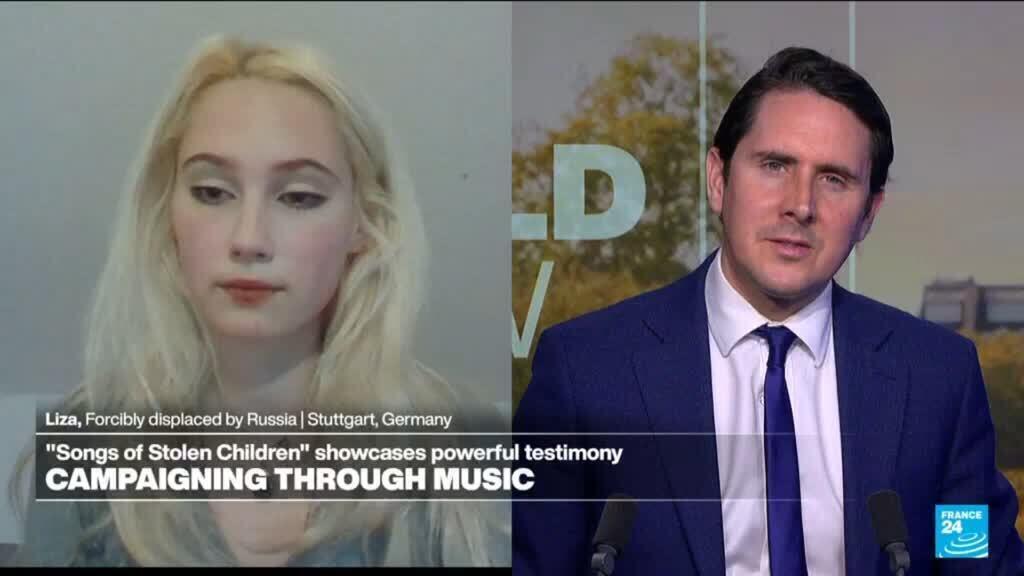
‘Singing for Stolen Children’ Escaping Russian Abduction. A Ukrainian teeenager’s account.
World_news

‘Singing for Stolen Children’ Escaping Russian Abduction. A Ukrainian teeenager’s account.

France 24's Gavin Lee is joined by Liza, a teenager who escaped Russia after being forcibly displaced from Ukraine. Around 20,000 children have been taken from their homes and sent to Russia or occupied territories. The International Criminal Court has issued an arrest warrant for President Putin over charges of unlawful deportation. While the Kremlin calls it a "humanitarian evacuation," independent investigators continue to uncover the truth. Nearly 1,900 children have been returned, but many remain missing. Liza, part of the Ukrainian music group Daughters of Donbass, shares her remarkable story.

31m
3 min
0
Read Article
Top Essential Oil Diffusers for 2026: A Complete Guide
Lifestyle

Top Essential Oil Diffusers for 2026: A Complete Guide

Transform your living space with the perfect aroma. A comprehensive review of the year's most effective essential oil diffusers reveals a clear winner for creating a fresh, inviting atmosphere.

39m
3 min
1
Read Article
UE e India forjan histórico pacto comercial y de defensa
Politics

UE e India forjan histórico pacto comercial y de defensa

La UE e India están finalizando un histórico pacto comercial y de defensa que busca fortalecer lazos económicos y alejar a India de su dependencia de Rusia.

43m
3 min
2
Read Article
Retirada de las FDS reconfigura la dinámica de poder en Siria
Politics

Retirada de las FDS reconfigura la dinámica de poder en Siria

La retirada de las Fuerzas Democráticas Sirias (FDS), de mayoría kurda, del noreste de Siria representa el cambio más significativo en el control territorial desde la caída de Bashar al-Assad, reconfigurando la dinámica de poder regional.

48m
5 min
1
Read Article
Кубанское правосудие еще не отмылось // Прокуроры выявили коррупционные действия еще одного краснодарского судьи
Crime

Кубанское правосудие еще не отмылось // Прокуроры выявили коррупционные действия еще одного краснодарского судьи

Как стало известно “Ъ”, новый коррупционный скандал разгорается в краснодарском правосудии. Прокурор Краснодара Андрей Кириенко уличил бывшего заместителя председателя краевого суда Игоря Николайчука в занятии бизнесом. Надзор установил, что он не только незаконно получил несколько квартир в элитном ЖК, но и, заработав $2 млн, отмыл их, вложив в строительство бизнес-центра. Здание вместе с другими активами бывшего судьи прокуратура теперь просит обратить в доход государства.

58m
3 min
0
Read Article
Represión iraní se intensifica ante preocupaciones kurdas
Politics

Represión iraní se intensifica ante preocupaciones kurdas

El régimen iraní ha intensificado su represión en Teherán y regiones centrales, desplegando armas militares previamente reservadas para zonas kurdas remotas, según Amnistía Internacional.

1h
5 min
2
Read Article
Millonario de Silicon Valley aboga por un impuesto a la riqueza
Politics

Millonario de Silicon Valley aboga por un impuesto a la riqueza

Scott Ellis, un millonario de Silicon Valley, aboga por impuestos más altos para los ricos, incluido él mismo, argumentando que la riqueza excesiva amenaza la democracia.

1h
5 min
3
Read Article
🎉

You're all caught up!

Check back later for more stories

Volver al inicio