Key Facts
- ✓ Venezuela has released dozens of political prisoners in a new wave of detainee releases following the US seizure of President Nicolás Maduro.
- ✓ Human rights groups confirm these releases represent the latest batch of detainees freed since the unprecedented raid that targeted the Venezuelan president.
- ✓ The releases mark a significant development in Venezuela's political landscape, occurring in the aftermath of the US action against President Maduro.
- ✓ International human rights organizations have been monitoring the situation closely, documenting the circumstances of each release and the broader implications for political freedom in Venezuela.
A New Chapter Begins
Venezuela has entered a pivotal moment in its political history with the release of dozens of political prisoners. This development marks the latest chapter following the unprecedented US seizure of President Nicolás Maduro during a raid.
Human rights organizations have confirmed the releases, describing them as the newest wave of detainees freed since the incident that has reshaped regional dynamics. The releases represent a significant shift in the country's political landscape.
The Release Details
The latest batch of detainees freed includes dozens of individuals previously held on political charges. These releases come as part of a broader pattern of prisoner movements following the US seizure of President Maduro.
Human rights groups have been monitoring the situation closely, documenting the names and circumstances of those released. The releases represent a tangible outcome of the changing political climate in Venezuela.
Key aspects of the releases include:
"The latest batch of detainees freed since the US seized Venezuelan President Nicolás Maduro in a raid."
— Human Rights Group Statement
Context of the US Raid
The releases are directly connected to the seizure of President Nicolás Maduro by US authorities during a raid. This unprecedented action has created a new political reality in Venezuela and the broader region.
The raid represents a dramatic escalation in international involvement in Venezuelan affairs. The subsequent releases of political prisoners appear to be part of the evolving response to this development.
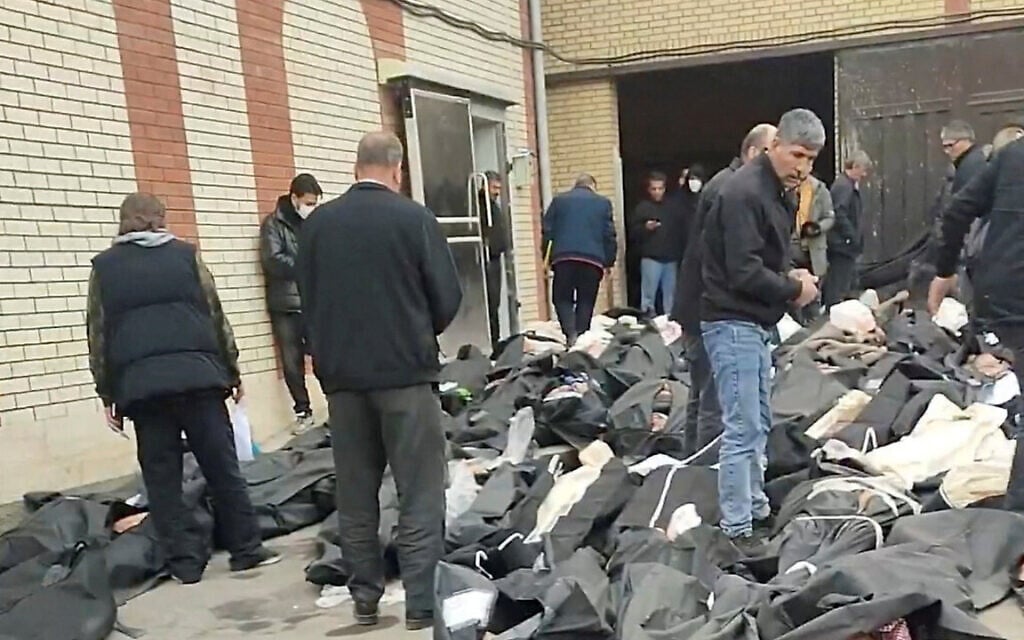
The latest batch of detainees freed since the US seized Venezuelan President Nicolás Maduro in a raid.
This sequence of events has drawn attention from governments and organizations worldwide, monitoring how Venezuela navigates this new political landscape.
Human Rights Perspective
Human rights groups have played a crucial role in documenting and verifying the releases. Their monitoring provides essential insight into the scope and significance of these developments.
The organizations track not only the number of releases but also the conditions of detention and the circumstances surrounding each case. This documentation creates a comprehensive picture of Venezuela's political prisoner situation.
Key monitoring activities include:
- Verifying individual release cases
- Documenting detention conditions
- Tracking patterns in political detentions
- Reporting on human rights implications
Regional Implications
The developments in Venezuela carry significant implications for regional stability and international relations. The US seizure of President Maduro has fundamentally altered diplomatic dynamics.
Neighboring countries and regional organizations are closely watching how Venezuela navigates this transition. The releases of political prisoners may signal broader changes in governance and political freedom.
International observers note that these events could influence:
- Regional diplomatic relations
- International human rights standards
- Political processes in neighboring nations
- Global perceptions of Venezuelan governance
Looking Ahead
The release of dozens of political prisoners represents a significant moment in Venezuela's ongoing political transformation. These developments follow the unprecedented US action against President Maduro.
As Venezuela moves forward, the international community will continue monitoring the situation closely. The releases may indicate further changes in the country's political landscape and human rights practices.
Key questions remain about the future direction of Venezuelan politics and the broader implications for regional stability. The coming weeks will likely provide clearer insights into how these events will shape Venezuela's path forward.