Key Facts
- ✓ Syrian President Sharaa is scheduled to meet with the German Chancellor in Berlin to discuss bilateral relations and refugee policy.
- ✓ German authorities are actively exploring options to deport Syrian refugees, a policy that has drawn significant international attention.
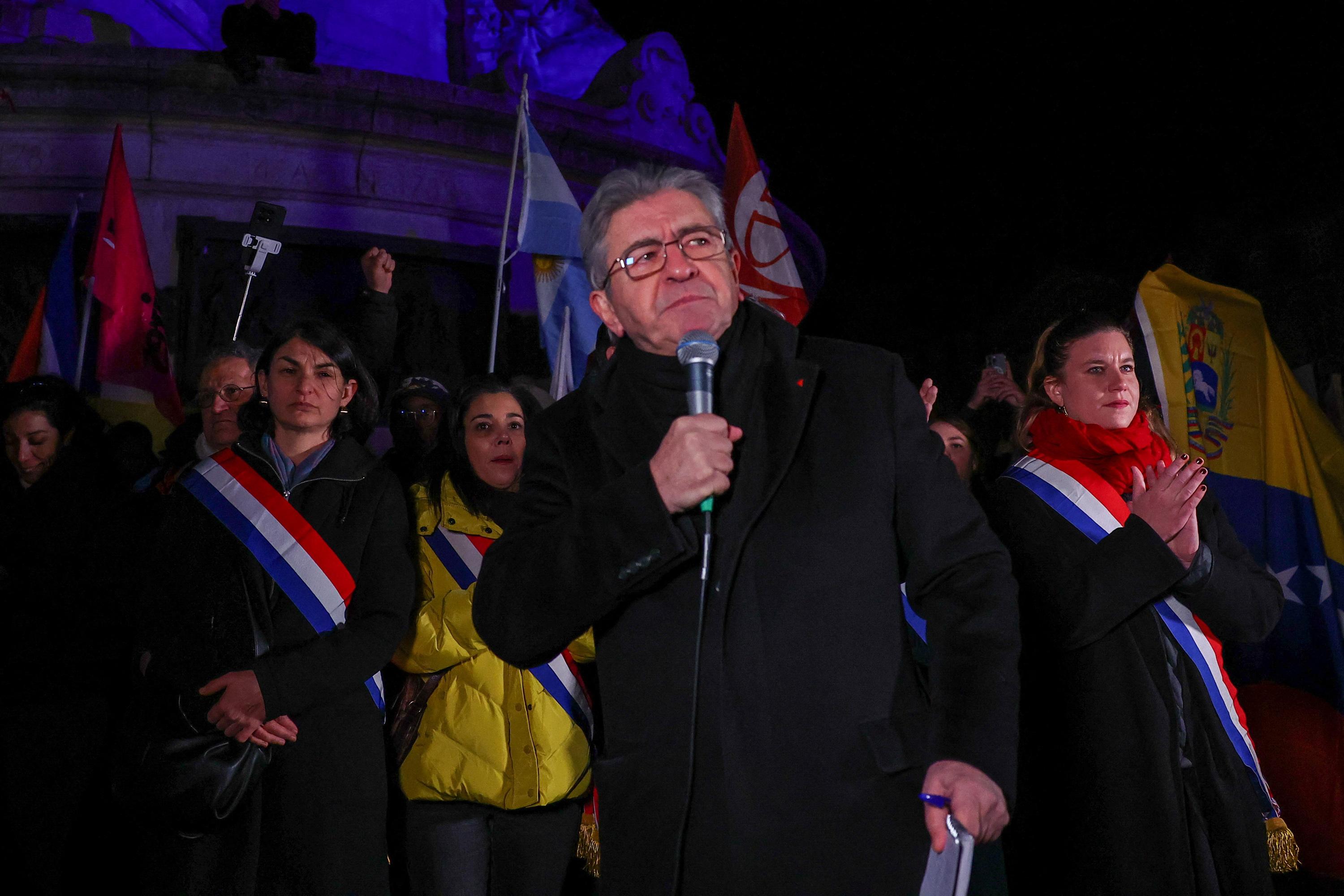
- ✓ Kurdish and Alawite communities in Germany have organized protests against the Syrian president's visit, citing concerns over minority safety.
- ✓ The protests reference documented violence against minorities in Syria following the collapse of the Assad regime.
- ✓ This diplomatic engagement occurs within the context of ongoing political instability across Syrian territories.
Quick Summary
Syrian President Sharaa is set to hold critical discussions with the German Chancellor in Berlin, marking a significant diplomatic engagement between the two nations. The visit comes at a sensitive time as Germany explores options for the deportation of Syrian refugees.
The high-profile meeting has triggered immediate backlash within Germany, with Kurdish and Alawite communities organizing protests. Demonstrators are voicing strong opposition to the visit, citing ongoing violence against minorities in Syria since the fall of the Assad regime.
Diplomatic Engagement
The planned meeting between President Sharaa and the German Chancellor represents a pivotal moment in bilateral relations. German officials are seeking to address the complex issue of Syrian refugee status and potential returns.
Germany's current policy stance involves a rigorous review of asylum cases for Syrian nationals. The government is navigating the delicate balance between humanitarian obligations and domestic political pressures regarding migration management.
Key aspects of the diplomatic agenda include:
- Review of current refugee protection status
- Assessment of security conditions in Syria
- Discussion of bilateral cooperation frameworks
- Addressing the humanitarian crisis impact
Community Protests
Kurdish and Alawite groups within Germany have mobilized to protest President Sharaa's arrival. These communities are deeply concerned about the safety of their relatives remaining in Syria.
Protest organizers emphasize that the political landscape in Syria has shifted dramatically since the Assad regime's collapse. They argue that returning refugees to a country with documented violence against minority groups poses significant ethical and legal challenges.
Violence against minorities in Syria since fall of Assad regime
The demonstrations highlight the human rights implications of any deportation policy. Community leaders are calling for Germany to maintain protective asylum policies for Syrians fleeing persecution.
Policy Implications
Germany's pursuit of deportation agreements with Syria reflects a broader shift in European migration policy. The government faces pressure to demonstrate effective migration control while respecting international refugee law.
The UNHCR guidelines on refugee returns emphasize that repatriation must be voluntary and safe. Current conditions in Syria raise questions about whether these standards can be met.
Legal experts note that:
Regional Context
The Syrian civil war created one of the largest refugee crises in modern history, with millions fleeing to neighboring countries and Europe. Germany has been a primary destination for Syrian asylum seekers.
Since the fall of the Assad regime, the security situation remains volatile. Various factions compete for control, and minority communities report ongoing harassment and violence.
The Kurdish population in particular faces unique threats in the current Syrian political environment. Alawite communities, historically associated with the former regime, also express concerns about retribution and instability.
Looking Ahead
The meeting between President Sharaa and the German Chancellor will likely influence future migration policy decisions. Both leaders must navigate complex political and humanitarian considerations.
Germany's approach to Syrian refugee deportations will set a precedent for other European nations grappling with similar challenges. The outcome of these discussions will be closely monitored by human rights organizations and refugee advocacy groups.
Key factors to watch include: