Key Facts
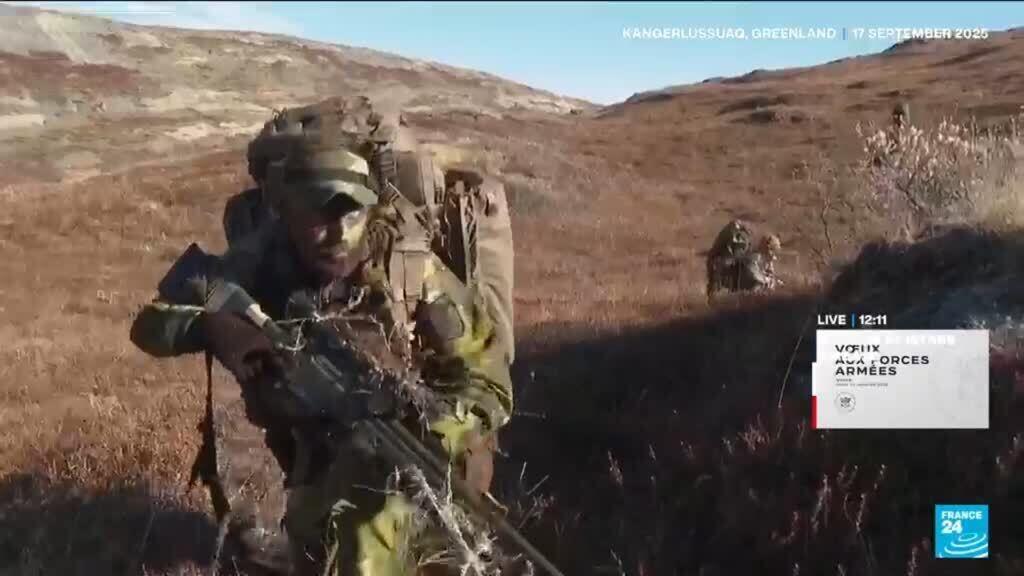
- ✓ Troops from France, Germany, Norway, and Sweden are arriving in Greenland to enhance security on the Arctic island.
- ✓ The deployment follows talks between Denmark, Greenland, and the United States that revealed 'fundamental disagreement' between the Trump administration and European allies.
- ✓ European nations are taking direct military action in response to the diplomatic breakdown, demonstrating their commitment to Arctic security.
- ✓ The mission represents a significant European military initiative in the strategically important Arctic region.
- ✓ Greenland's location makes it a crucial asset for Arctic security and resource access, increasing its geopolitical importance.
Quick Summary
European military forces are arriving in Greenland to strengthen security on the strategic Arctic island. The deployment comes immediately after diplomatic talks revealed deep divisions between the Trump administration and European allies.
Representatives from Denmark, Greenland, and the United States met on Wednesday, with discussions highlighting what officials described as a "fundamental disagreement" between Washington and European capitals. In response, troops from several European nations are now mobilizing to the region.
European Forces Mobilize
Multiple European nations are contributing troops to the security mission in Greenland. The participating countries include France, Germany, Norway, and Sweden, representing a coordinated European response to the evolving security situation.
The deployment represents a significant military initiative in the Arctic region, where strategic importance has grown amid changing geopolitical dynamics. Greenland, the world's largest island, holds critical importance for Arctic security and resource access.
The mission aims to bolster the island's security infrastructure and demonstrate European commitment to regional stability. This coordinated effort reflects growing concerns about security arrangements in the Arctic.
"fundamental disagreement"
— Official description of talks between Denmark, Greenland, and the US
Diplomatic Disagreement
The military deployment follows a critical meeting on Wednesday that brought together representatives from Denmark, Greenland, and the United States. The talks revealed what officials characterized as a "fundamental disagreement" between the Trump administration and European allies.
While specific details of the disagreement were not disclosed, the diplomatic friction appears to have prompted immediate action from European partners. The timing suggests a direct correlation between the failed talks and the subsequent military mobilization.
The breakdown in discussions highlights the complex challenges facing transatlantic relations in the current geopolitical climate. European nations appear to be taking proactive measures to secure their interests in the strategic Arctic region.
"fundamental disagreement" between the Trump administration and European allies
Strategic Arctic Context
Greenland's location makes it a crucial strategic asset in the Arctic region. The island sits at the intersection of major shipping routes and possesses significant natural resources, making it increasingly important in global geopolitics.
The European security mission reflects broader concerns about Arctic security arrangements. As climate change opens new shipping lanes and access to resources, the region has become a focal point for international competition and cooperation.
European nations are demonstrating their commitment to maintaining a presence in the Arctic. This deployment signals that European countries are prepared to take concrete actions to protect their interests in the region.
The mission also represents a test of European military coordination and rapid deployment capabilities. Successfully executing this operation could set a precedent for future European-led security initiatives in the Arctic.
Geopolitical Implications
The European troop deployment to Greenland carries significant implications for transatlantic relations. The move demonstrates European autonomy in security matters and suggests a willingness to act independently when diplomatic channels fail.
The mission may signal a shift in how European nations approach security cooperation with the United States. Rather than relying solely on NATO frameworks, European partners are taking direct action to address security concerns.
This development could influence future negotiations between European allies and the Trump administration. The visible military presence in Greenland serves as a tangible demonstration of European resolve.
The operation also highlights the growing importance of the Arctic region in global security calculations. As major powers increase their focus on the Arctic, European nations are positioning themselves as key stakeholders in the region's future.
Looking Ahead
The European troop deployment to Greenland represents a significant development in Arctic security and transatlantic relations. The mission's success will likely influence future European security initiatives and diplomatic approaches.
Observers will be watching closely to see how the Trump administration responds to this European initiative. The deployment may either prompt renewed diplomatic engagement or further strain relations between Washington and European capitals.
The Arctic region will continue to be a focal point for international security discussions. This European mission establishes an important precedent for regional security cooperation and demonstrates the growing strategic importance of the Arctic.