Key Facts
- ✓ The European Commission has formally proposed the creation of a new European company structure, often referred to as 'EU Inc'.
- ✓ This initiative is a key component of the Commission's broader strategy to strengthen Europe's economic base and single market.
- ✓ The proposed structure aims to provide a single set of rules for companies to operate across all 27 EU member states.
- ✓ By simplifying legal requirements, the proposal seeks to reduce administrative costs and encourage cross-border business activities.
- ✓ The concept is designed to particularly benefit startups and SMEs looking to scale their operations internationally.
A Unified Corporate Vision
The European Commission has put forward a visionary proposal to create a new, unified company structure for the European Union. This initiative, commonly dubbed EU Inc, aims to fundamentally reshape how businesses operate across the bloc's single market.
By introducing a single set of rules for incorporation and governance, the Commission seeks to eliminate the complex legal and administrative barriers that currently hinder cross-border business activities. This move is positioned as a critical step toward fostering a more integrated and competitive European economy.
The Proposal's Core Mechanics
The central idea behind EU Inc is to provide a one-stop-shop for entrepreneurs and companies looking to establish and grow their operations across multiple member states. Currently, businesses face a patchwork of differing national laws when expanding beyond their home country, creating significant legal uncertainty and operational costs.
The new structure would offer a single legal framework, covering everything from incorporation and capital requirements to director responsibilities and shareholder rights. This harmonization is expected to unlock significant efficiencies for businesses of all sizes.
Key features of the proposed framework include:
- A single digital registration portal accessible from any EU country
- Standardized governance rules to reduce legal complexity
- Clear regulations for cross-border mergers and relocations
- Enhanced shareholder rights and protections across the Union
Strategic Economic Impact
The introduction of a pan-European corporate vehicle is a cornerstone of the Commission's strategy to bolster the continent's economic foundations. The primary objective is to make Europe a more attractive location for investment, innovation, and entrepreneurship.
By lowering the administrative burden, the EU Inc structure would particularly benefit startups and Small and Medium-sized Enterprises (SMEs), which often lack the resources to navigate complex international legal systems. This simplification could accelerate the scaling of European companies and improve their ability to compete with rivals from the United States and Asia.
A truly integrated single market for companies is essential for Europe's future prosperity and global competitiveness.
Furthermore, the initiative is expected to stimulate cross-border investment by providing investors with a familiar and predictable legal environment, regardless of where a company is headquartered within the EU.
Navigating the Legislative Path
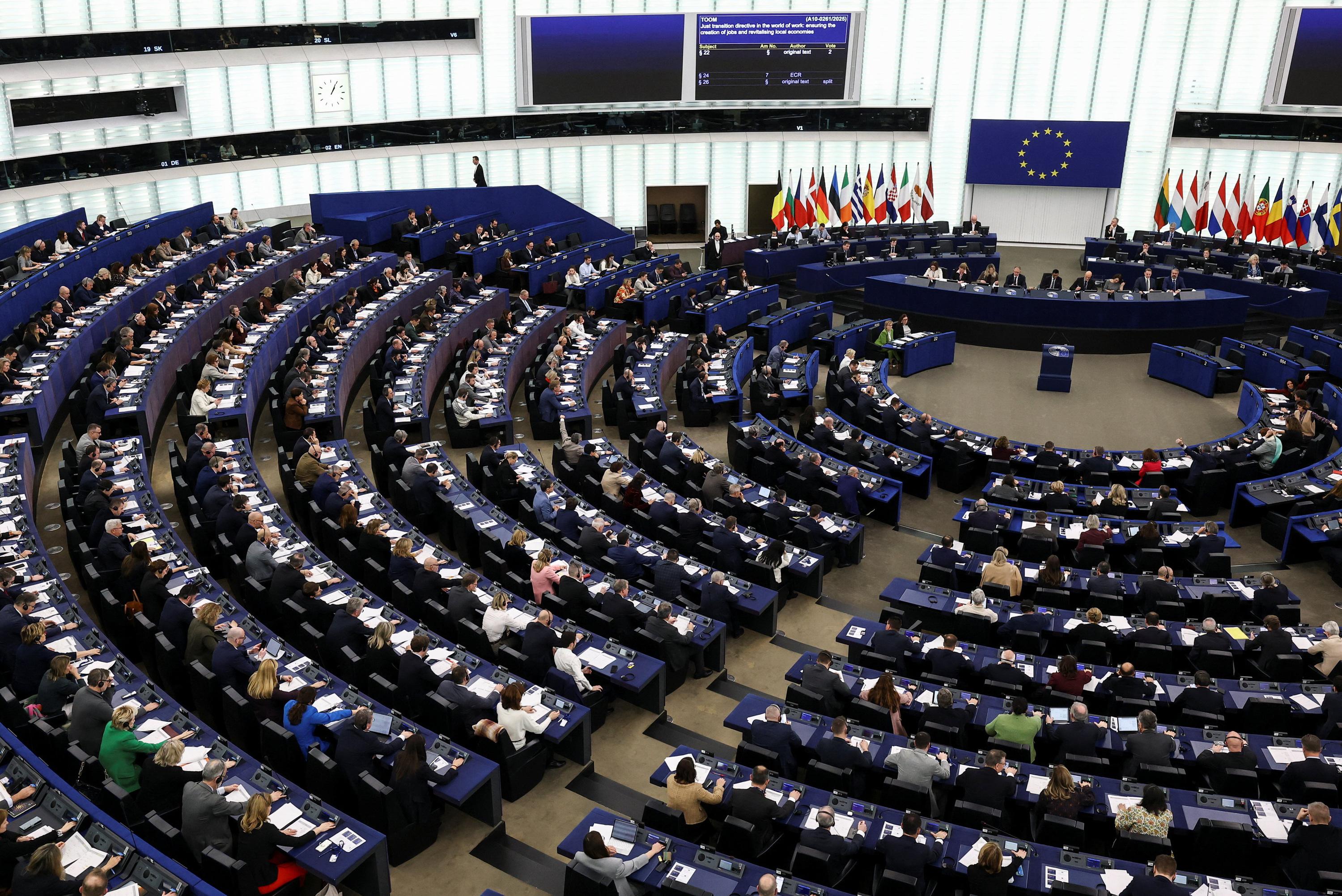
The proposal marks the beginning of a detailed legislative journey. It will now be submitted to the European Parliament and the Council of the European Union for consideration and adoption. This process involves thorough debate, potential amendments, and requires the support of both institutions to become law.
While the vision is ambitious, the path to implementation will involve intricate negotiations to balance the interests of all 27 member states. Key discussions will likely revolve around tax implications, the role of national courts, and the specific rights of employees in the new corporate structure.
The Commission's proposal serves as a starting point for this complex dialogue, aiming to build consensus on a framework that delivers tangible benefits for the European economy as a whole.
A New Era for European Business
The concept of EU Inc represents more than just a new legal form; it symbolizes a commitment to deepening the European single market. If successfully implemented, it could mark a paradigm shift in how businesses perceive and engage with cross-border opportunities within the Union.
The initiative promises to create a more seamless economic landscape, where a company founded in Lisbon can operate in Helsinki with the same legal ease as it would at home. This level of integration is seen as vital for unlocking the full economic potential of the European Union.
Ultimately, the success of this proposal will depend on the political will of member states and the ability of EU institutions to craft a practical and effective legal instrument that serves the needs of modern European businesses.
Key Takeaways
The proposal for a new European company structure is a landmark development for the EU's economic policy. It signals a clear ambition to create a more unified and business-friendly environment.
- Single Market Deepening: The initiative is a direct effort to remove remaining barriers to a true single market for companies.
- Global Competitiveness: A simpler legal framework is intended to make European companies more agile and competitive worldwide.
- Legislative Journey Ahead: The proposal will undergo detailed scrutiny and negotiation in the European Parliament and Council before it can become a reality.