Key Facts
- ✓ Egyptian President Abdel Fattah el-Sissi has publicly thanked former US President Donald Trump for offering to mediate a years-long water dispute with Ethiopia.
- ✓ The conflict centers on the Grand Ethiopian Renaissance Dam, a massive hydroelectric project on the Blue Nile that would double Ethiopia's electricity production.
- ✓ Cairo and Addis Ababa have been engaged in a complex dispute over water sharing from the dam, which has persisted for years without resolution.
- ✓ Egypt relies on the Nile River for nearly all of its freshwater needs, making the dam's operation a critical concern for its water security.
- ✓ The mediation offer from Trump represents a potential diplomatic opening to resolve one of Africa's most significant transboundary water disputes.
- ✓ The dispute involves three countries—Egypt, Ethiopia, and Sudan—each with competing interests in how the dam is operated and managed.
Quick Summary
President Abdel Fattah el-Sissi of Egypt has publicly acknowledged an offer from former US President Donald Trump to help mediate a years-long water dispute with Ethiopia. The announcement marks a significant diplomatic development in a conflict that has strained relations between the two African nations.
The dispute centers on the Grand Ethiopian Renaissance Dam, a massive hydroelectric project on the Blue Nile that has become a source of regional tension. Ethiopia views the dam as essential for its economic development, while Egypt fears it could threaten its water supply from the Nile River.
The Water Dispute
The conflict between Cairo and Addis Ababa has persisted for years, creating diplomatic friction in the Horn of Africa. The Grand Ethiopian Renaissance Dam represents Ethiopia's largest infrastructure project and is designed to double the country's electricity production, providing power to millions of citizens.
Egypt relies on the Nile River for nearly all of its freshwater needs, making the dam a critical concern for its water security. The dispute involves complex negotiations over:
- Water allocation during the dam's filling period
- Long-term water flow management
- Impact on downstream countries' water access
- Regional energy cooperation opportunities
Despite years of talks, the three countries—Egypt, Ethiopia, and Sudan—have struggled to reach a binding agreement on the dam's operation.
Trump's Mediation Offer
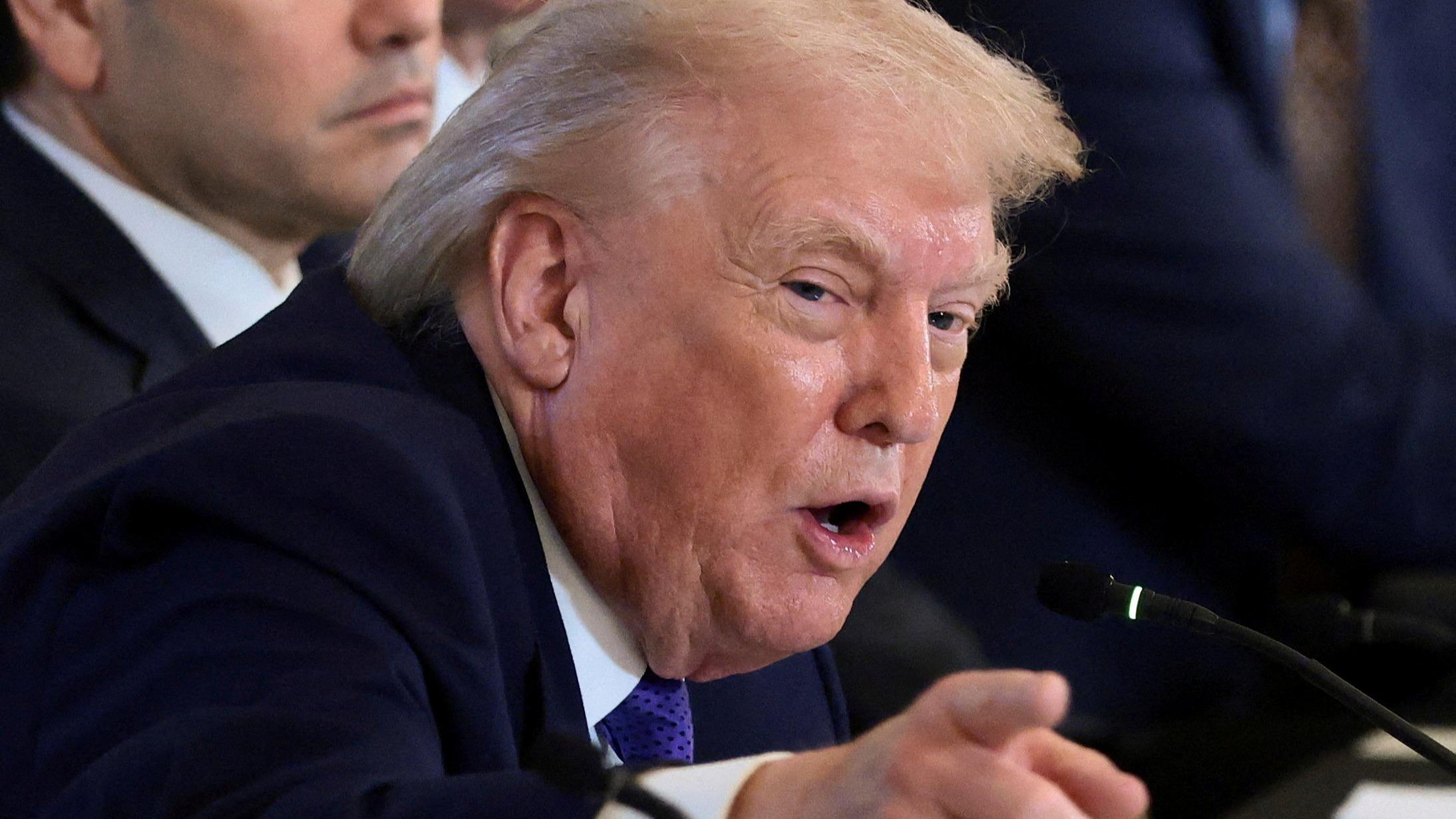
Former President Donald Trump has offered to step in as a mediator to help resolve the complex dispute. The offer comes at a time when diplomatic channels between the nations remain open but require external facilitation to bridge remaining gaps.
President el-Sissi's public thanks for the mediation offer signals Egypt's openness to international involvement in finding a solution. The Egyptian leader's acknowledgment represents a diplomatic gesture aimed at:
- Keeping dialogue channels open
- Exploring new mediation avenues
- Reducing regional tensions
- Protecting Egypt's water interests
The mediation offer highlights the international significance of the dispute, which has drawn attention from global powers concerned about stability in the Nile Basin region.
Regional Implications
The Grand Ethiopian Renaissance Dam dispute extends beyond bilateral relations between Egypt and Ethiopia. Sudan also sits downstream from the dam and has been involved in the negotiations, though its position has evolved over time.
The dam's completion would transform Ethiopia into a major regional power exporter, potentially supplying electricity to neighboring countries. However, the water management questions remain contentious:
- Ethiopia's right to develop its natural resources
- Egypt's historical water rights under colonial-era treaties
- Sudan's agricultural water needs
- Regional stability concerns
International observers view the dispute as a test case for managing transboundary water resources in an era of climate change and growing populations.
Diplomatic Path Forward
President el-Sissi's public acknowledgment of Trump's offer creates an opportunity for renewed diplomatic engagement. The mediation proposal could provide a framework for:
- Third-party facilitation of technical discussions
- Confidence-building measures between parties
- Progress toward a binding agreement
- Reduced regional tensions
However, any mediation effort would need to address the core concerns of both nations. Ethiopia remains committed to completing the dam's operation, while Egypt seeks guarantees about water flow levels. The challenge lies in finding a solution that respects both countries' legitimate interests while maintaining regional stability.
Looking Ahead
The water dispute between Egypt and Ethiopia represents one of Africa's most significant diplomatic challenges. President el-Sissi's thanks for Trump's mediation offer suggests that all parties remain open to dialogue, even after years of stalled negotiations.
Success will require balancing competing interests: Ethiopia's development needs, Egypt's water security concerns, and Sudan's agricultural requirements. The international community, including the United States, appears ready to support a resolution that could set a precedent for managing shared water resources globally.