Quick Summary
- 1President Donald Trump publicly criticized Federal Reserve Chairman Jerome Powell in harsh terms on Tuesday.
- 2The attack represents a significant escalation in the ongoing conflict between the White House and the central bank.
- 3Trump's comments suggest he may be considering replacing Powell as head of the Federal Reserve.
- 4The confrontation raises questions about the independence of monetary policy decisions.
Quick Summary
President Donald Trump has launched a blistering verbal attack against Federal Reserve Chairman Jerome Powell, intensifying the long-simmering conflict between the White House and the central bank.
The President's latest comments, delivered Tuesday, represent his most direct and aggressive criticism to date of the man he appointed to lead the nation's monetary policy.
The confrontation comes at a critical moment for the U.S. economy, with markets watching closely for any signs of political interference in the Fed's traditionally independent decision-making process.
The Attack
The President's criticism of Jerome Powell was unusually harsh even by the standards of his previous attacks on the central bank chief.
Trump's comments on Tuesday marked a significant escalation in his public campaign against the Fed's leadership and monetary policy direction.
The timing of the attack is notable, as it comes during a period when the Federal Reserve is actively managing interest rates and inflation concerns.
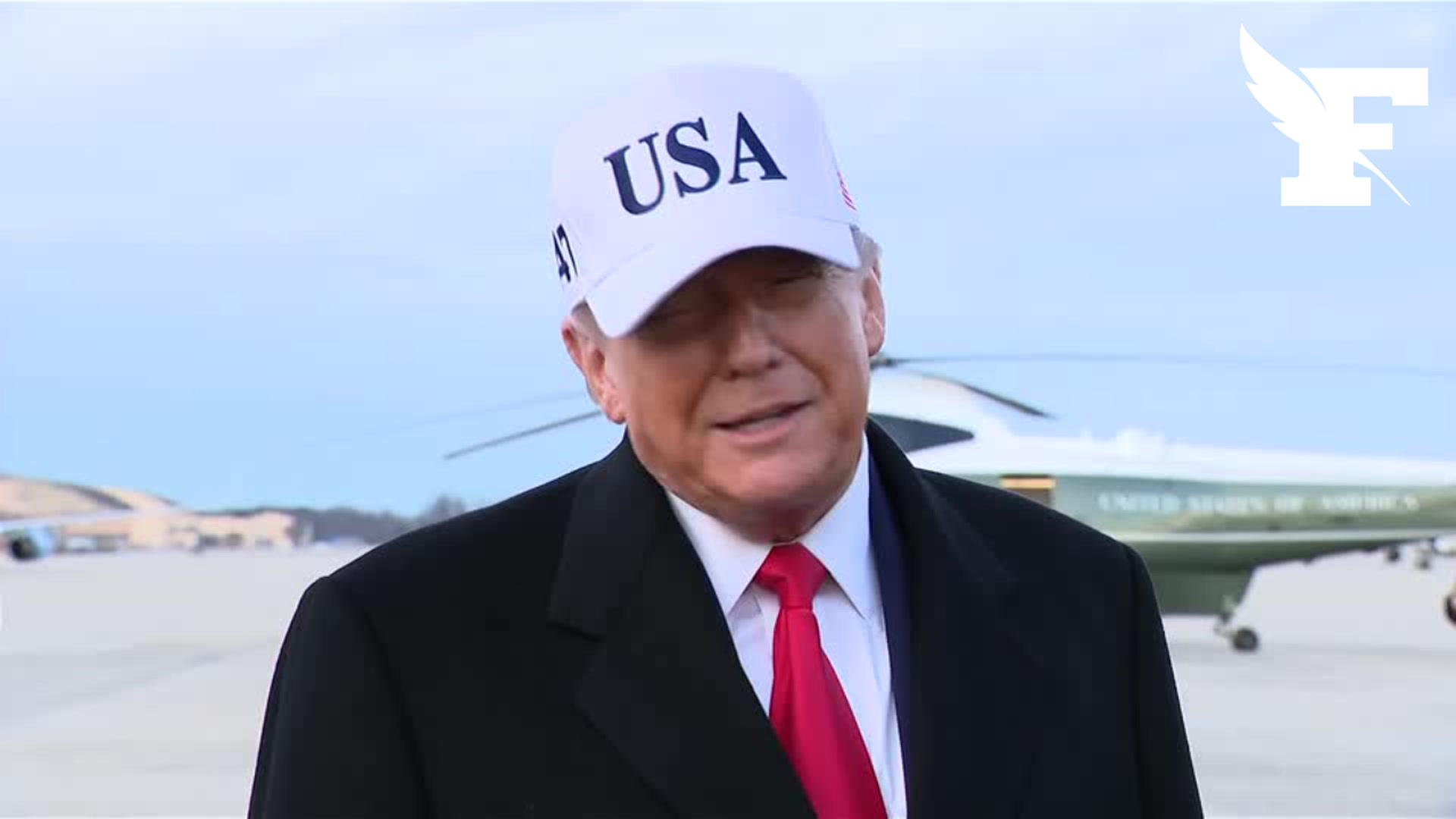
Cet idiot ne sera bientôt plus là
The President's frustration appears to stem from his dissatisfaction with the Fed's approach to interest rate policy, which he has repeatedly argued should be more accommodative to support economic growth.
"Cet idiot ne sera bientôt plus là"— Donald Trump, President of the United States
Policy Conflict
The relationship between the White House and the Federal Reserve has been strained since Powell took the helm of the central bank.
Traditionally, the Fed operates independently from political pressure to maintain credibility and focus on its dual mandate of price stability and maximum employment.
President Trump has consistently challenged this independence, frequently using public platforms to voice his displeasure with Fed policy decisions.
- Interest rate decisions that differ from White House preferences
- Communication strategies that create market uncertainty
- Balance sheet reduction policies
- Independence from political influence
The current confrontation raises fundamental questions about the proper relationship between monetary policy and political leadership in a modern democracy.
Market Implications
Financial markets typically value central bank independence as a cornerstone of economic stability.
When political leaders publicly pressure Fed chairs, it can create uncertainty about future policy direction and potentially trigger market volatility.
Investors and economists closely monitor these tensions because the Fed's credibility depends on its ability to make decisions based on economic data rather than political considerations.
The Federal Reserve system was designed with structural protections to insulate monetary policy decisions from short-term political pressures, though these protections are being tested by the current administration's aggressive public stance.
Leadership Questions
The President's statement that Powell will "ne sera bientôt plus là" (will not be there soon) suggests potential leadership changes at the central bank.
Federal Reserve chairs serve four-year terms and can only be removed for cause, though the President has the authority to appoint new chairs when terms expire.
The public nature of Trump's criticism may be intended to pressure Powell to resign or to signal to markets and policymakers that a change in Fed leadership could be forthcoming.
Any move to replace the Fed chair would require careful consideration of the potential consequences for market confidence and the central bank's institutional independence.
Looking Ahead
The escalating conflict between President Trump and Chairman Powell represents a significant moment in the ongoing debate over central bank independence in the United States.
Market participants, policymakers, and international observers will be watching to see whether this public confrontation leads to actual changes in Fed leadership or monetary policy direction.
The outcome of this tension could have lasting implications for how future administrations interact with the Federal Reserve and how the central bank maintains its credibility in pursuing economic stability.
Frequently Asked Questions
President Trump launched a harsh public attack against Federal Reserve Chairman Jerome Powell, using strong language to criticize the central bank chief. The President's comments on Tuesday marked a significant escalation in his ongoing conflict with the Fed leadership.
The attack raises concerns about the independence of the Federal Reserve, which traditionally operates free from political pressure to maintain credibility. Such public criticism from a sitting president challenges the institutional norms that protect monetary policy decisions from short-term political considerations.
The confrontation could lead to leadership changes at the Federal Reserve if the President decides to replace Powell when his term expires. It may also create market uncertainty about future monetary policy direction and test the resilience of the central bank's independence.
The Fed's independence is protected by its structural design, including staggered terms for board members and the requirement that decisions be based on economic data rather than political considerations. However, this independence depends on institutional norms and public confidence in the central bank's credibility.