M
MercyNews
Home
Back
نتائج P&G الضعيفة تمهّد لعامٍ أكثر قوة
Economics

نتائج P&G الضعيفة تمهّد لعامٍ أكثر قوة

CNBC5d ago
3 دقيقة قراءة
📋

حقائق أساسية

  • تمت ميزانية تقرير P&G الربع سنوي الأخير بأنه ضعيف، حيث فشل في تلبية توقعات السوق.
  • المحرك الأساسي للنتائج خيبة الأمل كان توقف الحكومة عن العمل، والذي أثر على ما يقرب من ثلثي الربع.
  • إطار التحليل Market للمرحلة الصعبة على أنها "حدث تمهيدي"، مما يشير إلى حل المشاكل التي كانت قد عرقلت الأداء المستقبلي.
  • يُنظر إلى انتهاء التوقف على أنه محفز إيجابي، يمهّد الطريق لتحسين النتائج في العام القادم.
  • من المتوقع الآن أن يتم تقييم الأداء المستقبلي للشركة على أساس جدارتها التشغيلية وليس الاضطرابات الخارجية.

ملخص سريع

оказался للشركة P&G الربع المالي الأخير تحديًا، حيث ساء الأداء عن التوقعات. ومع ذلك، لا يُنظر إلى هذه النتيجة كدليل على ضعف جوهري، بل كإعادة ضبط ضرورية.

يصف المحللون السوق الفترة بـ الحدث التمهيدي — مرحلة صعبة تمهّد الطريق لتحسين النتائج في المستقبل. كان العامل الأساسي المؤثر في هذا الربع توقف الحكومة عن العمل، الذي أدى إلى اضطراب واسع النطاق.

تأثير التوقف

لقد ألقى توقف الحكومة عن العمل بظلال طويلة على نتائج الربع، مما خلق بيئة من عدم اليقين والاحتكاك التشغيلي. لم يكن هذا الحدث الخارجي مجرد تفصيل طفيف، بل قوة مهيمنة شكلت مقاييس أداء الشركة.

وفقًا للتحليل، كان لتأثير التوقف نطاق واسع، حيث أثر على ما يقرب من ثلثي الربع. يشير هذا الجدول الزمني إلى أن الاضطراب لم يكن محصورًا في فترة قصيرة، بل كان تحدٍ مستمرًا أثر على العمليات والمشاعر المستهلكية واستقرار السوق.

شمل نطاق تأثير التوقف:

  • تعطل سلاسل التوريد اللوجستية
  • انخفاض ثقة إنفاق المستهلكين
  • تأخر العمليات التنظيمية
  • عدم اليقين الاقتصادي الأوسع

"لم نكن نتوقع تقريرًا قويًا، نظرًا لأن ما يقرب من ثلثي الربع تأثروا بتوقف الحكومة عن العمل."

— تحليل السوق

حدث تمهيدي

بينما كانت الأرقام الرئيسية ضعيفة، فإن السرد الأساسي هو سرد للتموضع الاستراتيجي. يُفسر الربع الصعب على أنه حدث تمهيدي، وهو مفهوم يشير إلى أن الشركة قد تجاوزت فترة من الرياح العاتية الهامة.

هذا الإطار يعني أن التحديات التي واجهتها خلال فترة التوقف قد تم استيعابها ومعالجتها. بدلاً من حمل المشاكل غير المحلولة إلى الأمام، لقد قامت P&G بـ تنظيف السطح بفعالية، مما أ لوحة نظيفة لبقية السنة المالية.

لم نكن نتوقع تقريرًا قويًا، نظرًا لأن ما يقرب من ثلثي الربع تأثروا بتوقف الحكومة عن العمل.

يقترح التحليل أنه من خلال مواجهة هذه الضغوط الخارجية مباشرة، أزالت الشركة متغيرًا رئيسيًا كان من الممكن أن يشوه الأداء المستقبلي. وهذا يسمح بمسار أكثر مباشرة للنمو في الأرباع اللاحقة.

إعداد المسرح

مع دخول الفترة المضطربة الآن في الماضي، يتحول التركيز إلى المسار المستقبلي. يلعب مفهوم الحدث التمهيدي دورًا محوريًا في التوقع الإيجابي، مما يشير إلى أن الأسوأ قد ولى الآن بالنسبة للشركة.

يبدو المسار قادمًا أكثر تفاؤلاً لأن العقبة الرئيسية — توقف الحكومة عن العمل — قد انتهت. يسمح هذا الحل للعمليات التجارية بالعودة إلى طبيعتها ولثقة المستهلكين بالتعافي على الأرجح.

تشمل العوامل الرئيسية الداعمة لعام أفضل قادم:

  • انتهاء توقف الحكومة عن العمل
  • العودة إلى الإيقاع التشغيلي الطبيعي
  • حل عدم اليقين التنظيمي والاقتصادي
  • تأسيس أساس لعودة زخم النمو

تشير التحليلات إلى أن الشركة الآن في وضع يسمح لها بالاستفادة من فرص السوق دون وجود تركة من أحداث الربع الأخير المضطربة.

نظرة للمستقبل

لقد تحول السرد المحيط بأداء P&G من قلق إلى تفاؤل حذر. لم يعد يُنظر إلى الربع الضعيف بشكل معزول، بل كجزء من قصة أكبر عن المرونة والتموضع الاستراتيجي.

سيبحث المستثمرون ومراقبو السوق عن علامات تشير إلى أن الحدث التمهيدي قد ترجم فعليًا إلى تحسينات ملموسة. سيكون الأرباع القليلة القادمة حاسمة في التحقق من هذا التوقع وإظهار قدرة الشركة على الاستفادة من استقرارها التشغيلي المتجدد.

الخلاصة الرئيسية هي أن فترة صعبة، مدفوعة بعوامل خارجية، تم اجتيازها بنجاح. تدخل الشركة الآن مرحلة حيث سيتم تقييم أدائها على أساس جدارتها الخاصة، متحررة من قيود التوقف السابق.

الأسئلة الشائعة

ما سبب أداء P&G الضعيف في الربع الأخير؟

كان سبب الأداء الضعيف في الربع الأخير في المقام الأول توقف الحكومة عن العمل. أثر هذا الحدث الخارجي على العمليات لما يقرب من ثلثي الربع، مما أدى إلى اضطراب كبير.

لماذا يُعتبر الربع الضعيف "حدثًا تمهيديًا"؟

يُنظر إلى الربع الصعب على أنه "حدث تمهيدي" لأنه حل التحدي الخارجي الرئيسي. بتجاوز هذه الفترة، أصبحت الشركة في وضع يسمح لها بالعمل دون الاضطرابات السابقة، مما يمهّد الطريق لعام أفضل قادم.

ما هو التوقع لـ P&G في المستقبل؟

التوقع لـ P&G هو إيجابي. مع انتهاء توقف الحكومة عن العمل، من المتوقع أن تExperience الشركة تحسنًا في الأداء في العام القادم، مع الاستفادة من بيئة تشغيلية أكثر استقرارًا.
Continue scrolling for more

'Mother of all' trade deals signed between India and EU
Economics

'Mother of all' trade deals signed between India and EU

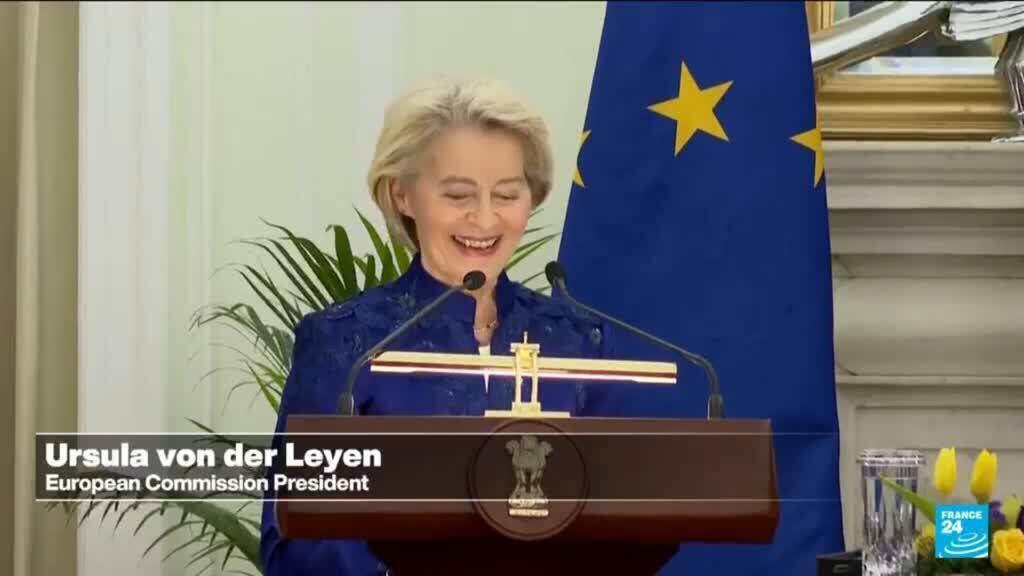
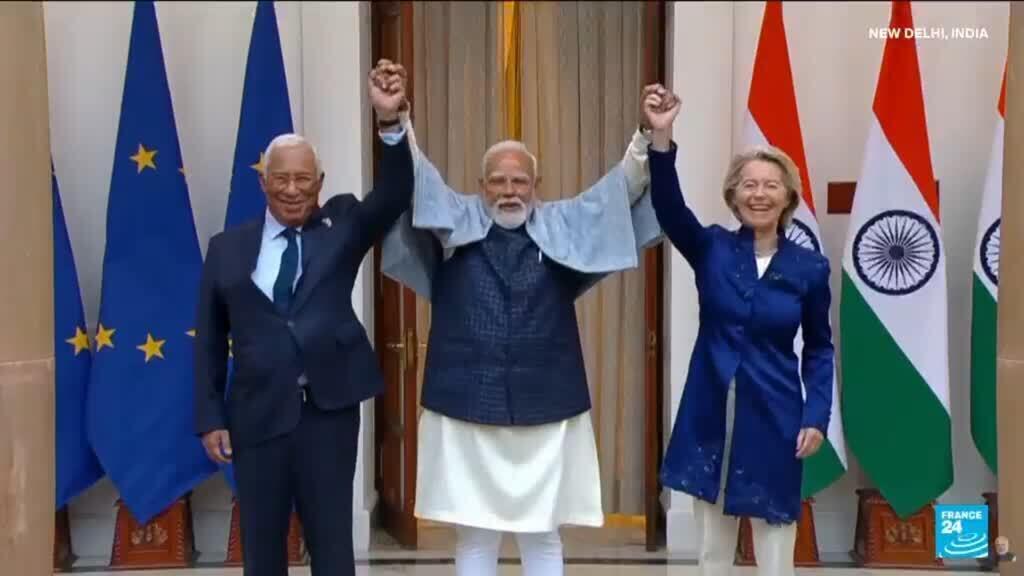
India and the European Union announced a landmark trade deal after two decades of talks, creating a market of two billion people and aiming to strengthen ties against global economic pressures from the US and China. The agreement will cut or eliminate tariffs on nearly 97% of EU exports, potentially saving up to 4 billion euros annually. Leaders hailed the pact as a major opportunity for both economies, representing a significant share of global GDP and trade.

7h
3 min
0
Read Article
Trading 212 let UK retail trade crypto ETNs without FCA approval: FT
Cryptocurrency

Trading 212 let UK retail trade crypto ETNs without FCA approval: FT

In October 2025, the FCA stressed that companies must hold the correct permissions and comply with strict marketing and consumer protection rules before offering crypto ETNs.

7h
3 min
0
Read Article
KuCoin taps former LSEG exec Sabina Liu to lead MiCA expansion in Europe
World_news

KuCoin taps former LSEG exec Sabina Liu to lead MiCA expansion in Europe

Former London Stock Exchange Group executive Sabina Liu will lead KuCoin EU’s MiCA-era expansion from Vienna, as the exchange pivots toward a compliance-first European strategy.

8h
3 min
0
Read Article
India and EU seal landmark trade pact after 20 years of talks
Economics

India and EU seal landmark trade pact after 20 years of talks

India and the European Union announce the completion of a major trade agreement in New Delhi, ending two decades of negotiations. Prime Minister Narendra Modi and EU leaders describe the pact as the “mother of all deals,” aimed at strengthening economic cooperation and reducing dependence on the United States and China. The agreement covers about 25% of global GDP and one-third of global trade, creating significant opportunities for India’s 1.4 billion people and millions across the European Union. As FRANCE 24's Navodita Kumari explains, this represent a 'real political shift' for India.

8h
3 min
0
Read Article
I quit Meta to build an AI startup. Giving up a Big Tech salary was tough — here's how I prepared financially.
Technology

I quit Meta to build an AI startup. Giving up a Big Tech salary was tough — here's how I prepared financially.

Jason White Jason White Jason White left his job at Meta to build an AI finance startup called Bear Financial. White's decision stemmed from a desire to address financial planning needs using AI. He advises others to secure their finances and make sure they have support before pursuing startup ventures. This as-told-to essay is based on a conversation with Jason White, a 46-year-old startup founder in the San Jose area. Business Insider has verified his former employment with documentation. His words have been edited for length and clarity. I've spent half of my 20 years in the tech industry working at Google and Meta. These companies allowed me to work on some amazing projects, but I've now resigned from them both. I joined Google in 2016 as a tech lead in the Gmail division and transitioned to the Google Search team in 2020. By 2024, I realized I wanted to lean more heavily into AI. I didn't feel my position at Google would give me the opportunity to do that, so I opened myself up to other opportunities. When a Meta recruiter reached out about an AI machine learning engineer role, I decided to pursue it and eventually received an offer. I left Google in July 2024 and started at Meta a month later. I had a positive experience at Meta. I worked with great people in a high-resource environment and learned a lot. I was also able to lean into AI as I'd hoped, focusing fully on AI products. However, halfway through 2025, I started thinking about resigning to build a startup — specifically, a venture that would use AI to help the typical household with their finances. Business Insider is speaking with workers who've found themselves at a corporate crossroads — whether due to a layoff, resignation, job search, or shifting workplace expectations. Share your story by filling out this form, contacting this reporter via email at jzinkula@businessinsider.com, or via Signal at jzinkula.29. I struggled with the decision of whether to resign from Meta Whether to resign from Meta was a complex decision. The startup was something I was growing increasingly passionate about. I know what financial pressure feels like — I had been a low-paid graduate student trying to provide for a newborn. Many people don't have access to great financial planning and management tools to help improve their financial situations. While I was still figuring out what the business would look like, I felt there was an opportunity to help people, and that was very motivating for me. I connected with a potential cofounder — a friend of a friend — and we spent a lot of time talking through the opportunity. That helped me grow more comfortable with the idea of leaving Meta, but there were still a lot of other factors to consider. It's hard to leave a world-class team with people you like — not to mention a reliable source of income. I made sure my family would be prepared to lose my income I know some people start businesses on the side while keeping their full-time jobs, but I couldn't do that because I was already juggling two demanding roles as a Meta employee and a parent. My other concern was legal. I would've had to disclose any outside business to Meta, and there could've been non-compete issues — especially since my business idea was related to AI, like my role at Meta. I wanted to make sure my family had enough savings to cover at least one year of our current expenses without touching our retirement accounts. My wife works, but I wanted a cushion in case she lost her job. I figured that would give me at least one year to build the business, and, if things went really badly, enough time afterward to find a job. We already were in a good place savings-wise, so we were still able to take vacations, hire tutors for our kids, and order DoorDash. I had about six months before resigning to make some minor adjustments, including cutting back on 401(k) contributions and putting more money into liquid savings accounts. This financial planning process for my family really helped crystallize the direction I wanted to go with the startup. In September 2025, I resigned from Meta. When I shared the news with my colleagues, the response was a mix of surprise, support, and a large amount of jealousy. A lot of people want to leave and start their own thing, but for various reasons they can't or won't — whether it's because of their visa status, financial constraints, or broader fear. I'm now focused on my business, Bear Financial. My cofounder and I are planning to publicly launch in the second half of this year. We may seek external funding, but for now, we're bootstrapping the business, so I've tracked our spending very carefully. My advice for people in a similar situation I have a few pieces of advice for people considering leaving their jobs to start their own business. First, get your finances in order. Second, make sure anyone who depends on you, like your family, is supportive of the decision — I was fortunate to have a supportive partner who knew that I felt limited working in Big Tech. Third, choose an idea you deeply believe in. With a startup, you have to be the one to bring the energy, the enthusiasm, the vision — and to carry others into it. Address your knowledge gaps. Startup founders often need to be generalists, which means having a basic understanding of a lot of areas. I'd also suggest envisioning the worst-case outcome and asking yourself whether you'd be OK with it. I thought about what it would look like one year later if my business failed. I believe I'd still value everything I learned over those 12 months. If I eventually decide to pursue a corporate position again, I have faith that I'd be able to find something — even though it's hard to predict what the job market will look like. I'm happy with the direction of my startup so far There are, however, a lot of potential barriers to success: we have to navigate a moving target on regulations, we need to figure out ways to convince potential customers to give us a try, and there are super well-resourced companies that could become direct competitors. At the end of the day, I want to take the swing. Read the original article on Business Insider

8h
3 min
0
Read Article
Economics

Germany updates: Shadow economy grows to over $500B

A new study has said the German shadow economy has grown to its highest level in over decade. Meanwhile, Germany has welcomed a new trade agreement between the EU and India. DW has the latest.

8h
3 min
0
Read Article
Economics

Germany news: Shadow economy grows to over $500B

A new study has said the German shadow economy has grown to its highest level in over decade. Meanwhile, Germany has welcomed a new trade agreement between the EU and India. DW has the latest.

8h
3 min
0
Read Article
What to expect from January's Fed meeting as Powell faces looming DOJ probe
Economics

What to expect from January's Fed meeting as Powell faces looming DOJ probe

Jerome Powell will leave his post in May. Al Drago/Getty Images Fed expected to hold interest rates steady amid stubborn inflation and disappointing jobs numbers. Powell is facing a DOJ investigation and rising political pressure from the White House. Trump is expected to pick Powell's successor soon, as the chair's term ends in May. The Federal Reserve will make its first rate decision of the year on Wednesday — and all eyes are on Chair Jerome Powell. The central bank's leaders have a near-total chance of holding rates steady this week, according to market-based projections from CME FedWatch. After three cuts in 2025, the Fed has penciled in one rate cut for the new year. In the long run, these rate decisions will affect the job market, consumer prices, and corporate America. But there's a shadow over January's Fed meeting: The Department of Justice recently launched a probe into Powell's handling of renovations to the central bank's buildings. The Trump administration alleges that the chair gave false testimony at a June Congressional appearance, though Powell said the move should "be seen in the broader context of the administration's threats and ongoing pressure" on the Fed. "This is about whether the Fed will be able to continue to set interest rates based on evidence and economic conditions or whether instead monetary policy will be directed by political pressure or intimidation," he said in a video statement released January 11. Fed leaders will likely hold rates steady Fed decisions impact mortgage and credit card rates, auto loans, inflation, and labor market churn over time. A slow but not catastrophically weak job market, combined with higher-than-ideal but relatively tame inflation, will probably mean a pause in rate cuts for now. "There's little chance the Fed will vote to cut rates this week, as the data in-hand doesn't justify it," said NerdWallet's senior economist Elizabeth Renter, adding, "The Fed's monetary policy job is a balancing act and their decision to keep rates as-is indicates the risks to either side of their dual mandate are relatively equal." The central bank's dual mandate — to keep prices stable and the job market strong — has been tricky to balance lately. The US added fewer jobs than expected in December, the unemployment rate is hovering above 4%, and the inflation rate remained at 2.7%. If Fed leaders opt to hold rates steady rather than cut, it will be good news for inflation, at the risk of slowing down an already-sluggish jobs landscape. For consumers, a hold means that interest rates for homes, cars, and credit cards would largely remain unchanged. The Fed also hopes to push inflation closer to its 2% goal. For job seekers, however, still-high borrowing costs could push companies toward layoffs or hiring freezes. DOJ probe jeopardizes the search for Powell's successor The Fed has made more headlines than usual this month. Powell announced grand jury subpoenas from the Trump administration through a video message posted online. And Governor Lisa Cook's case has reached the Supreme Court, following accusations of mortgage fraud from Trump. The Powell probe has raised alarm about Fed independence with politicians, economists, and business leaders. North Carolina Republican Thom Tillis and other congressional leaders said they will now oppose all nominees to the Fed chair role from the Trump administration. With Powell's term up in May, Trump is set to choose a successor as soon as this week. Frontrunners include Trump's economic advisor Kevin Hassett, Fed Governor Christopher Waller, former Fed Governor Kevin Warsh, and Chief Investment Officer of global fixed income at BlackRock Rick Rieder. The president has been vocal in his desire for lower interest rates and hopes the next Fed chair will consult with him more closely on policy decisions. "The hope is that whoever takes Powell's role next will be similarly data driven and level headed," Renter said. Read the original article on Business Insider

8h
3 min
0
Read Article
'High Likelihood' PS6 Will Launch After 2028, According to New Analyst Forecast, as Sony Focuses on Extending PS5 Lifecycle
Technology

'High Likelihood' PS6 Will Launch After 2028, According to New Analyst Forecast, as Sony Focuses on Extending PS5 Lifecycle

A recent analyst report has suggested that Sony may push the launch of the PlayStation 6 beyond 2028 and lengthen the PlayStation 5 lifecycle.

9h
3 min
0
Read Article
Despite the hype, AI hasn't changed work — yet
Technology

Despite the hype, AI hasn't changed work — yet

"When we asked our employees to take mandatory training for AI," says Francine Katsoudas, chief people, policy, and purpose officer as Cisco, "it actually had a bit of a negative impact." Riana Daehler Ever since the introduction of ChatGPT, companies have been eagerly anticipating the day AI will turbocharge their workers and forever transform their businesses. Three years later, they're still waiting. Why? And what's the fix? These two questions dominated pretty much every single conversation I had with executives in Davos last week — including a Business Insider roundtable I moderated with 15 chief people officers and other senior executives. One explanation that came up again and again was incomplete adoption among employees. Many professionals are understandably worried about what these tools will mean for their jobs, or at least skeptical of their usefulness as AI slop abounds. To bulldoze through this hesitation, bosses have stepped up the pressure, making AI use mandatory and incorporating it into performance reviews. But a number of executives at the roundtable advised against strong-arming. Cisco learned that the hard way. "When we asked our employees to take mandatory training for AI, not only did it not drive sustainable usage, it actually had a bit of a negative impact," said Francine Katsoudas, the company's chief people, policy, and purpose officer. What worked, she explained, was "providing choice" — like when Cisco gave its engineers access to half a dozen different AI tools, allowing them to decide which ones to use and how to use them. "They absolutely loved that," she said. Another theory was that even if employees want to use these new tools, they don't have the necessary skills to get the most out of them. Part of the fix, some argued, involves hiring people who are already good at using AI. Kyle Lutnick, the executive vice chairman of Cantor Fitzgerald, said he wants to bring in more new college grads at a time when other businesses are hiring fewer of them, precisely because they have more fluency using these tools than their older counterparts. But hiring new blood won't be enough. Employers will need to do a lot more to train their existing workforces too. "Investment has been primarily on the technology and not so much on the people," said Elizabeth Faber, global chief people and purpose officer at Deloitte. "That needs to shift." A third explanation was that big productivity gains require a fundamental overhaul of the way work gets done inside companies. If the Googles or the Amazons of the world were to start from scratch today, they almost certainly wouldn't have the team structures, workflows, and job descriptions they currently do. I think that's why we're seeing the AI revolution most clearly right now in early-stage startups, which are starting from the ground up in the post-ChatGPT era. Kyle Lutnick, executive vice chairman of Cantor Fitzgerald, said he wants to bring in more new college grads because they have more fluency using AI than their older counterparts. Riana Daehler "84% of work processes have been left in their legacy state when adopting AI and have not been redesigned," Faber said. "So 16% of organizations and work processes are really being developed in an AI-native way." All of these proposed solutions are far from quick fixes. Encouraging employees to opt in voluntarily takes more time than threatening to fire them. Training staff — and actually getting them to learn — takes time too. Redesigning jobs will prove to be an even heavier lift. Many large businesses don't even know what employees do on a day-to-day basis. It's painstaking work to build out a comprehensive database of the skills employees have and the tasks they perform — and then to systematically tease out which of them can be delegated to AI and which of them can't. One chief people officer I spoke to said that it'll take years for her HR department to complete that process across every function at her company. Once all that heavy-lifting is done, what will these businesses look like? I put the question to the group at the roundtable, asking how many of them expect their workforces to shrink in three to five years' time. Two out of the 15 raised their hands — a tally I suspect would have been higher if I weren't there. One of them, Gina Vargiu-Breuer, chief people officer at SAP, explained that her company is currently keeping headcount flat because the business is still growing. "But when you're not growing, then I think this is where you have to talk about, 'OK, do we have to reduce headcount?'" she said. "I have a lot of peers in German companies where they are starting to reduce headcount dramatically. So it's a reality. For us, it's not, because we're growing, but I think it will happen going forward." Even at SAP? I asked. "At the moment we stay flat," she said. "But if productivity goes up and growth is slowing down, then I think we have to look at that with different eyes." By the end of the week, I left Davos with a sense that a workplace truly reshaped by AI — one that would allow companies to run on meaningfully smaller teams — isn't coming as soon as I'd thought. Those days seem to be still several years away, given all the painstaking work businesses need to complete to get there. That's something many economists had predicted early on, given how difficult it has always been to fully integrate new technology into the workplace. They told me that things will change less than we expect in the short term, and a lot more in the long run. No matter how fast a technology advances, humans change less readily. C-suites around the world are coming to the same realization, which is probably why I detected quite a bit of frustration in Davos. Svenja Gudell, Indeed's chief economist, compared the world's urgency around AI to the impatience of a parent potty-training their kid. "It's messy, it's a long process," she said. "You're like, 'Why is this not happening? It's been three weeks already.'" Her message to executives: "Give yourself some grace." The slower timeline is good news for the rest of us — it gives us time to learn new skills, debate new public policies, and try to shape the future we actually want. But it would be a mistake to read the so-far modest changes as evidence that tectonic shifts aren't coming. I came away from Davos convinced that when they do happen, they'll be far bigger than anything we're imagining now, for better and for worse. Aki Ito is a chief correspondent at Business Insider. // Indeed const seriesTitle = ""; // Presented by const text = "Presented by"; // 6977990fe1ba468a96aab2e2?width=1441 const sponsorLogoID = "6977990fe1ba468a96aab2e2?width=1441"; // Indeed const altText = "Indeed"; // const hubOrCatURL = ""; document.documentElement.classList.add("gi-sponsor-module"); // Selectors and styles last updated: 6-5-25 if ( document.querySelector(".gi-sponsor-module") && document.querySelector(".post-body") && !document.querySelector(".is-enhanced") ) { document.querySelector(".post-hero").insertAdjacentHTML( "afterend", ` ${seriesTitle} ${text} ` ); } if ( document.querySelector(".gi-sponsor-module") && (document.querySelector("figure.as-full-bleed") || document.querySelector(".overlay-hero-image")) && document.querySelector(".is-enhanced") ) { document.querySelector(".timestamp").insertAdjacentHTML( "beforebegin", ` ${seriesTitle} ${text} ` ); } if ( document.querySelector(".gi-sponsor-module") && document.querySelector(".breadcrumbs-wrapper") ) { document.querySelector( ".breadcrumbs-wrapper" ).innerHTML = ` ${seriesTitle} `; } Read the original article on Business Insider

9h
3 min
0
Read Article
🎉

You're all caught up!

Check back later for more stories

العودة للرئيسية