M
MercyNews
Home
Back
حظر المدفوعات يضرب وكلاء السفر المستقلين
Economics

حظر المدفوعات يضرب وكلاء السفر المستقلين

VC.ru4d ago
3 دقيقة قراءة
📋

حقائق رئيسية

  • أبلغت شركات السفر عن حالات تم حظر الأموال خلال المعاملات باستخدام أنظمة الدفع الفوري لصالح وكلاء السفر المستقلين.
  • يستهدف حظر المدفوعات بشكل خاص المعاملات الموجهة إلى حسابات تخص الأفراد العاملين لحسابهم الخاص والرواد المقاولين الأفراد.
  • لا تتأثر شركات السياحة التي تقبل المدفوعات على حسابات الكيانات القانونية بهذه المشكلة، وفقاً للمنظمة.
  • تمثل هذه المشكلة تحدياً تشغيلياً كبيراً لجزء من قطاع السياحة يعتمد على هياكل مدفوعات مرنة.
  • تسلط هذه الوضعية الضوء على التطور المستمر للأطر التنظيمية المحيطة بالبنية التحتية للدفع الحديثة في القطاعات التجارية.

ملخص سريع

يواجه قطاع السياحة تحدياً جديداً حيث أبلغت شركات السفر عن حالات يتم فيها حظر الأموال عند توجيه المدفوعات عبر أنظمة الدفع الفوري. يحدث هذا الحظر بشكل خاص عندما تكون المدفوعات موجهة إلى حسابات تخص وكلاء السفر المستقلين والرواد المقاولين الأفراد.

يسلط هذا التطور الضوء على التوتر المتزايد بين تبني البنية التحتية للدفع الحديثة والأطر التنظيمية المعقدة التي تحكم المعاملات التجارية. تخلق هذه المشكلة حالة من عدم اليقين لجزء من القطاع يعتمد على هياكل مدفوعات مرنة للعمل بكفاءة.

مشكلة حظر المدفوعات

تشير التقارير إلى أن المشاكل تنشأ عند تحويل الأموال عبر نظام الدفع الفوري إلى حسابات تخص الأفراد العاملين لحسابهم الخاص والرواد المقاولين الأفراد. يمنع حظر المدفوعات هذا شركات السفر من إتمام المعاملات بسلاسة، مما يخلق عقبات تشغيلية للشركات التي تعمل مع الوكلاء المستقلين.

يكمن جوهر المشكلة في وجهة الأموال. عندما يتم إرسال المدفوعات إلى حسابات غير مسجلة تحت هيكل كيان قانوني رسمي، يبدو أنها تثير فحوصات أمنية أو امتثال معينة داخل نظام الدفع. يؤدي هذا إلى حظر المعاملة مؤقتاً أو بشكل دائم.

تعد هذه الوضعية مشكلة خاصة لقطاع السياحة، الذي غالباً ما يعمل بمزيج من شركات السياحة الكبيرة والوكلاء المستقلين الأصغر حجماً. غالباً ما يستخدم هؤلاء الوكلاء حالة العمل لحسابهم الخاص لإدارة أنشطتهم التجارية، مما يجعلهم عرضة لانقطاعات الدفع هذه.

تشمل الجوانب الرئيسية للمشكلة:

  • المدفوعات الموجهة عبر أنظمة الدفع الفوري
  • الحسابات المستهدفة التي تخص الوكلاء المستقلين
  • الحسابات المستهدفة التي تخص الرواد المقاولين الأفراد
  • مما يؤدي إلى أموال محظورة

"لا تتأثر شركات السياحة التي تقبل المدفوعات على حسابات الكيانات القانونية بهذه المشكلة."

— المنظمة التي تتعامل مع المسألة

من المتأثر؟

أوضحت المنظمة التي تتعامل مع هذه المسألة نطاق التأثير. تقتصر المشكلة على هياكل عمل محددة ولا تؤثر على قطاع السفر بأكمله. يُعد هذا التمييز أمراً حاسماً لفهم ملف المخاطر للشركات المختلفة.

على وجه التحديد، لا تتأثر شركات السياحة التي تقبل المدفوعات على حسابات الكيانات القانونية بهذه المشكلة. تعمل هذه الهياكل المؤسسية الأكبر تحت مجموعة مختلفة من القواعد المصرفية والتنظيمية، والتي تبدو متوافقة مع بروتوكولات أنظمة الدفع الفوري.

بالنسبة للوكلاء السفر المستقلين والرواد المقاولين الأفراد، ومع ذلك، فإن الوضع مختلف. يضع وضعهم، رغم أنه يوفر المرونة، فئة تواجه حالياً مراجعة أو قيود تقنية داخل البنية التحتية للدفع. وهذا يخلق تفاوتاً في كيفية معالجة النماذج التجارية المختلفة داخل نفس القطاع من قبل الأنظمة المالية.

لا تتأثر شركات السياحة التي تقبل المدفوعات على حسابات الكيانات القانونية بهذه المشكلة.

يوفر هذا البيان من المنظمة حدوداً واضحة للمشكلة، مما يساعد الشركات على تقييم مستويات المخاطر الخاصة بها بناءً على هيكلها المؤسسي.

الآثار على القطاع

يُشير ظهور حظر المدفوعات هذه إلى مخاطر تشغيلية كبيرة لجزء من قطاع السياحة. بالنسبة للوكلاء المستقلين

بالنسبة لشركات السياحة التي تعمل مع هؤلاء الوكلاء، فإن الحظر يدخل حالة من عدم اليقين في سلسلة التوريد الخاصة بهم. إذا تم حظر المدفوعات إلى الوكلاء المستقلين، فقد يؤدي ذلك إلى تأخيرات في تأكيد الخدمة ويخلق عبئاً إدارياً عندما تحاول الشركات حل المشكلات مع مزودي الدفع والشركاء المصرفيين.

ترفع هذه الوضعية أيضاً أسئلة حول مستقبل أنظمة الدفع الفوري في المعاملات بين الشركات. مع انتشار هذه الأنظمة أكثر، يجب أن تتطور الأطر التنظيمية والتقنية لتستوعب الهياكل التجارية المختلفة دون خلق عوائق. يشير الاحتكاك الحالي إلى أن دمج المدفوعات الفورية في النظام البيئي التجاري لا يزال عملاً جارياً.

علاوة على ذلك، قد تدفع هذه المشكلة إلى إعادة تقييم كيفية دمج الرواد المقاولين الأفراد والمحترفين العاملين لحسابهم الخاص في الشبكات المالية الحديثة. قد تكون هناك حاجة إلى إرشادات أوضح أو تعديلات تقنية لضمان معالجة المدفوعات إلى هذه الكيانات بسلاسة مثل تلك الموجهة إلى الشركات الأكبر.

نظرة مستقبلية

يسلط حظر المدفوعات المبلغ عنه الضوء على تقاطع حاسم للتكنولوجيا والتنظيم والممارسات التجارية. مع استمرار تعافي قطاع السياحة ونموه، تُعد كفاءة عملياته المالية أمراً بالغ الأهمية. تُبرز التحديات الحالية التي يواجهها وكلاء السفر المستقلين الحاجة إلى أنظمة دفع تكون آمنة وشاملة للنماذج التجارية المتنوعة.

من المرجح أن يراقب أصحاب المصلحة في قطاع السياحة عن كثب كيفية استجابة مزودي الدفع والمنظمين لتقارير هذه المشكلة. سيكون الهدف هو إيجاد توازن يحافظ على أمان وسرعة المدفوعات الفورية مع ضمان عدم عرقلة المعاملات التجارية المشروعة بشكل غير ضروري.

في الوقت الحالي، يجب على الشركات والوكلاء الإبحار في هذه البيئة بحذر، وفهم قنوات الدفع الآمنة والتي تشكل خطرأً. يُعد التمييز بين المدفوعات الموجهة إلى الكيانات القانونية وتلك الموجهة إلى الأفراد العاملين لحسابهم الخاص العامل الحاسم في تحديد ما إذا كانت المعاملة ست proceeded بسلاسة أم ستواجه حظراً.

أسئلة شائعة

ما هي المشكلة الرئيسية التي أبلغت عنها شركات السفر؟

أبلغت شركات السفر عن حالات تم فيها حظر الأموال عند إرسال المدفوعات عبر أنظمة الدفع الفوري لصالح وكلاء السفر المستقلين والرواد المقاولين الأفراد. وهذا يخلق صعوبات تشغيلية للشركات التي تعمل مع الوكلاء المستقلين.

ما هي الهياكل التجارية المتأثرة بحظر المدفوعات هذه؟

تؤثر المشكلة بشكل خاص على المدفوعات الموجهة إلى حسابات تخص الأفراد العاملين لحسابهم الخاص والرواد المقاولين الأفراد. لا تتأثر شركات السياحة التي تقبل المدفوعات على حسابات الكيانات القانونية بهذه المشكلة.

لماذا يُعد هذا الأمر مهماً لقطاع السياحة؟

تخلق هذه المشكلة حالة من عدم اليقين لجزء من القطاع يعتمد على هياكل دفع مرنة. يمكن أن تعطل التدفق النقدي للوكلاء المستقلين وتضيف عبئاً إدارياً لشركات السياحة التي تعمل معهم.

ماذا يعني هذا لمستقبل المدفوعات الفورية؟

تشير هذه الوضعية إلى أن دمج أنظمة الدفع الفوري في المعاملات بين الشركات لا يزال يتطور. وتسلط الضوء على الحاجة إلى البنية التحتية للدفع لتستوعب الهياكل التجارية المختلفة دون خلق عوائق.


Continue scrolling for more

Pinterest is conducting a massive round of layoffs to prioritize 'AI-powered products and capabilities'
Technology

Pinterest is conducting a massive round of layoffs to prioritize 'AI-powered products and capabilities'

Pinterest is planning on laying off up to 15 percent of its workforce, according to a report by CNBC. The company has been posting stellar earnings reports these past few quarters, so why punish employees? You already know the answer. It's AI. The company said it's "reallocating resources" to AI projects and prioritizing "AI-powered products and capabilities." It's also cutting down on office space, presumably because AI algorithms don't require cubicles and the occasional low-grade snack. Pinterest noted in a recent security filing that it expects these cuts to the workforce will be complete by the end of the third quarter in September. The company had 4,500 global employees as of April, so the layoffs should impact up to 675 people. It will also be reshaping its sales and marketing strategies, likely to highlight new AI initiatives. To that end, Pinterest introduced an AI-powered shopping tool a few months back. "Our investments in AI and product innovation are paying off," Pinterest CEO Bill Ready said in November. "We’ve become a leader in visual search and have effectively turned our platform into an AI-powered shopping assistant for 600 million customers." Pinterest is finally giving the people what they want!!! Here's how to filter out AI on Pinterest 👏 pic.twitter.com/juTBCJLoa1 — Mashable (@mashable) January 22, 2026 Unfortunately, becoming a "leader in visual search" has created some headaches for end users. The platform has become overridden with AI-generated slop, leading the company to introduce a dial to reduce the prevalence of artificial content. Pinterest is just the latest company to downsize in favor of AI. A consulting firm found that AI was the stated blame for around 55,000 layoffs in the US last year. This leads some to question the veracity of this reasoning, as some entities could be engaging in something called AI-washing. This is when companies exaggerate the use of AI and blame it for standard cost-cutting layoffs, leading investors to think "ooh, shiny." This article originally appeared on Engadget at https://www.engadget.com/ai/pinterest-is-conducting-a-massive-round-of-layoffs-to-prioritize-ai-powered-products-and-capabilities-163440004.html?src=rss

25m
3 min
0
Read Article
I'm an American in a long-distance relationship with a European for nearly 3 years. Here's how we make it work.
Lifestyle

I'm an American in a long-distance relationship with a European for nearly 3 years. Here's how we make it work.

The author and her partner live on separate continents. Courtesy of Kelly Magyarics I met my partner in an airport lounge; he lives in Europe, while I live in the US. For the past three years, we have developed a long-distance relationship via texts and video calls. We see each other in person as much as we can, but it isn't easy, so we're looking to the future. When I struck up a conversation with a private pilot in an airline lounge at my home airport, I never imagined that we'd end up embarking on a long-distance relationship. But now, almost three years later, my Belgian boyfriend and I are more in love than ever. We're exploring scenarios for being together full-time when our young-adult children are a bit older. In the meantime, we have to be content with infrequent visits and technology to see us through the long stretches. It's admittedly not easy, but absolutely worth it. Most of the time, we stay connected via text We both frequently travel, and WhatsApp has been a godsend. During the early days of our courtship, we'd send short text messages and accompanying photos from our trips. Once we started dating, those text messages became longer and more romantic. We're able to text one another even when he's in the cockpit 40,000 feet above the ocean — which never ceases to amaze me. Eventually, we began sending each other voice messages. When he's not flying and home in Belgium (I'm based on the East Coast), it's a six-hour time change. Each evening, I record a voice message for him to listen to when he wakes up, and he can reciprocate with one for me. Each morning after my alarm goes off, I set my phone on my pillow to hear his endearing accent right next to my ear. Sometimes our soliloquies focus on how much we miss each other and long to be together; other times, they recount what we've done since our last call a few hours before. Video calls bring us closer together Of course, we also sync up several times a day through video calls, which are the most satisfying method of communication, but also occasionally the most frustrating. The time change means that we're each always in a different mindset. When I'm getting ready to start the workday, it's mid-afternoon in Europe; during my lunch break, he's cooking dinner, and after I finish work, he may be out for dinner or drinks with friends, or too tired. The author and her partner try to see each other in person as often as they can. Courtesy of Kelly Magyarics Sometimes when I'm ready to call, he's in the middle of something, or vice versa. And when we're both traveling, our routine is completely upended. But we have to just brush it off, not take it personally, and arrange for another opportunity to connect. Since our mutual screen time is so precious, we've established strict rules about not calling each other when we're distracted by meal prep, grocery shopping, or exercise. Instead, we talk from a quiet room when we can focus all our attention on one another. Though it works for some couples, we don't engage in long-distance intimacy because our in-person physical connection is so soulfully satisfying that anything virtual is a mere shadow of the real thing. We try to meet in person as often as we can Our visits are either sporadic or clustered, depending mainly on his travel schedule (and sometimes on mine). We meet up during one of his layovers, or he'll fly to me. I've also visited him in Belgium a handful of times. The longest stretch apart has been three months, which has happened twice; this year, we resolved to be more proactive about preventing that extended separation. Though missed connections can be maddening, and the lengthy time apart can temporarily chip away at our bond, our buckets are refilled the instant we see one another again. Long-distance love isn't for the faint of heart, but we constantly remind ourselves that this is only temporary. We're in it for the long game. Read the original article on Business Insider

32m
3 min
0
Read Article
Automotive

GM expects to top Ford in U.S. vehicle production as it faces up to $4 billion in tariff costs

The 2026 tariff costs would be in line with the automaker's $3.1 billion in tariff costs last year, despite the levies not being in effect for all of 2025.

33m
3 min
0
Read Article
UPS says it would cut up to 30,000 jobs this year as it aims to boost turnaround
Economics

UPS says it would cut up to 30,000 jobs this year as it aims to boost turnaround

United Parcel Service adds to 2025 job reductions as delivery giant slashes low-profit Amazon deliveries United Parcel Service on Tuesday said it would cut up to 30,000 operational roles in 2026, adding to last year’s job reductions as the delivery giant looks to accelerate a turnaround fueled by a pivot to higher-margin shipments. The company also beat Wall Street estimates for quarterly results in the all-important holiday period and forecast a surprise rise in annual revenue. Continue reading...

48m
3 min
0
Read Article
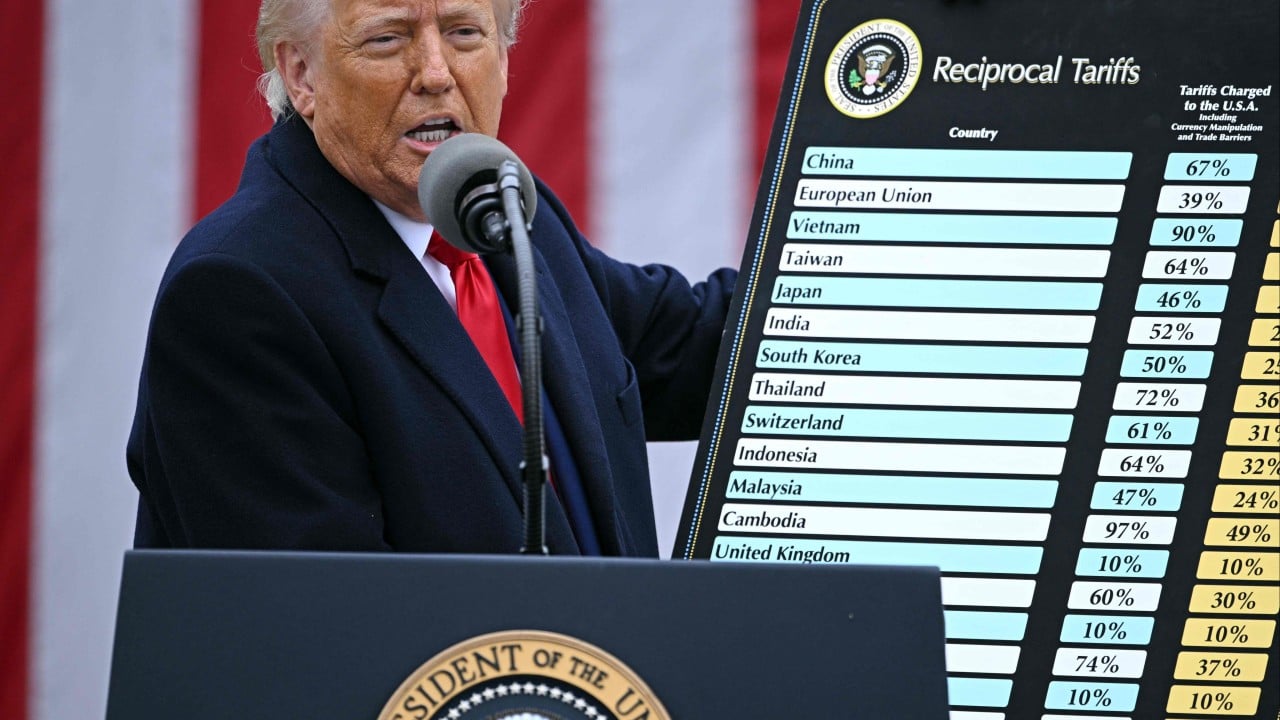
Taco Trump tally: US president carries out only 1 in 4 tariff threats
Economics

Taco Trump tally: US president carries out only 1 in 4 tariff threats

In less than three weeks, US President Donald Trump has issued four sweeping tariff threats that, in normal times, would rattle investors, unnerve CEOs and send economists rushing to revise their growth forecasts for the targeted countries. Instead, financial markets and C-suite executives have mostly shrugged off Trump’s latest warnings involving Iran’s trading partners, Greenland’s supporters, Canada and South Korea, seeing them as merely words intended to gain leverage or change behaviour –...

59m
3 min
0
Read Article
AirPods 4 with ANC drop to $119
Economics

AirPods 4 with ANC drop to $119

Every time Apple's AirPods 4 with active noise cancelation go on sale I have the same thought: maybe I made a mistake. Don't get me wrong, I love my regular AirPods 4, but the noise canceling aspect makes their sister pair very enticing. Take now, for instance, when the AirPods 4 with ANC are on sale for $119, down from $179. The 34 percent discount brings them to only $4 more than the standard AirPods 4 current sale price and below their usual $129. While we've seen the ANC model as low as $99, the $119 price tag is the best deal we've seen so far this year. Apple released its fourth-generation AirPods in late 2024 and they're still our pick for best budget AirPods on the market. We gave the ANC model an 86 in our review thanks to their effective noise canceling, better sound quality and features like adaptive audio. Overall, at $60 off, they're a great option to pick up. Check out our coverage of the best Apple deals for more discounts, and follow @EngadgetDeals on X for the latest tech deals and buying advice. This article originally appeared on Engadget at https://www.engadget.com/deals/airpods-4-with-anc-drop-to-119-153239093.html?src=rss

1h
3 min
0
Read Article
Samourai Letter #3: Notes From The Inside
Lifestyle

Samourai Letter #3: Notes From The Inside

Bitcoin Magazine Samourai Letter #3: Notes From The Inside Dear Reader, Since my last letter where I tried to explain the underground economy of FPC Morgantown I have been struggling to come up with an idea of what further information you may be interested in. In modern life on the outside we are all so used to immediate feedback on everything we do. We […] This post Samourai Letter #3: Notes From The Inside first appeared on Bitcoin Magazine and is written by Keonne Rodriguez.

1h
3 min
0
Read Article
Samsung’s cheapest phones are getting more expensive as RAM shortage continues
Economics

Samsung’s cheapest phones are getting more expensive as RAM shortage continues

We’ve been hearing warnings for months about incoming price hikes for practically every consumer electronic on the market due, in large part, to an ongoing RAM shortage. Today, we’re getting our first hints on what’s to come from Samsung throughout 2026. more…

1h
3 min
0
Read Article
Politics

Germany's Green Party under pressure over Mercosur vote

The Greens are big supporters of international agreements. But now, eight German lawmakers in the European Parliament have all but scuppered the Mercosur free trade agreement — defying their party leadership.

1h
3 min
0
Read Article
Solopreneurs explain what AI is and isn't good for when you're running a business
Technology

Solopreneurs explain what AI is and isn't good for when you're running a business

Left to right: Lisa York, Gloria Hebert, and Seneca Connor. David Oats, Stephen Ross Goldstein, Ian Tuttle for BI From travel advising to accessory design, these solopreneurs are upfront about how they use AI. Outsourcing administrative tasks to AI frees time to communicate more directly with their customers. This article is part of "The AI-Powered Solopreneur," a series exploring how solo business owners use AI to drive growth. Over eight years of writing for travel publications, Kim Magaraci developed a passion for domestic travel. She learned that travel tips online couldn't compete with those destinations you could only discover by word-of-mouth. So, when she founded her travel business, KGM Travel Design, in 2024, she hoped to emphasize personal relationships with vendors and customers and avoid using AI, despite her experience with it. "I don't think you can get good advice asking ChatGPT for an itinerary," she says. "It's antithetical to everything I stand for." And yet, Magaraci realized that using AI for administrative tasks like analytics, compiling reports, and generating condensed client briefs allowed her to spend more time on the personalized relationships that set her business apart. She's one of many solopreneurs who told Business Insider that outsourcing administrative tasks to AI platforms such as ChatGPT, Gemini, and Nano Banana — Gemini's photo-editing AI — has allowed them to scale their business by spending more time on strategic and creative work, including growth decisions and building personal connections with customers. "It's getting harder and harder to deny the time-saving aspects," Magaraci says, adding that she has embraced AI "in order to run a successful business and grow this business into what I want it to be." AI supports growth by creating more free time, solopreneurs say Seneca Connor, founder of The Bag Icon, an accessories brand, uses Nano Bana and other AI products to edit photos and videos. That not only saves her money — up to $2,000 per monthly photo shoot, she says — but also time. Seneca Connor is the founder of The Bag Icon. Ian Tuttle for BI With the hours saved, Connor has been able to design more original bags and launch a greater number of bags curated from other designers, all while reducing her marketing costs. As a result, The Bag Icon saw more than a 20% year-over-year increase in profits last year, despite the impact of tariffs. Accountant and solopreneur Gloria Hebert uses ChatGPT for her business, Aybear Services, to instantly create educational client worksheets that previously took an hour or two to set up. This frees up time that she then uses to prioritize analyzing financial data from her bookkeeping clients — data she doesn't feed into AI because of privacy concerns. Managing finances is the core of her business, so having more time to spend on that has allowed her to streamline her workdays. Gloria Hebert is an accountant and the founder of Aybear Services. Stephe Ross Goldstein for BI The time saved also allows her to organize networking events and community education classes for local business owners, which has led to an uptick in business. "Several of those entrepreneurs hired me to do their books," Hebert says. AI allows more time for personalized communications, which build brand following Lisa York is the owner of Sell More Stuff, an email marketing business. Although she has a small audience, she saw a 33% conversion rate for sales last year, she says. She credits that growth to her personalized, voicey emails, which always open with a personal anecdote and are never written with AI. "I use a lot of story-led emails," York says. "People enjoy them, and they open the email because they can see my name." That's something AI just can't replicate, she says. But York is able to spend time drafting engaging copy because she outsources other tasks — including tech support for her website, research, and brainstorming marketing strategy — to ChatGPT. Lisa York is the founder of Sell More Stuff. David Oates for BI Like York, Connor uses the time that AI saves to build robust communication and rapport with her customers, which she says builds loyalty to her business. Less time spent on photos and video gives her more time to respond to emails and direct messages from clients seeking advice about their purchases. "It's building community that's missing in the big brands," Connor says. AI frees up time so solopreneurs can focus on their business's core While AI has allowed these solopreneurs to grow their businesses without hiring a team, the technology shouldn't take over the core aspects of a business, Hebert says. Rather, it can be a tool that allows owners to focus on those critical areas. "Use it as a resource," she says. York — whose target clientele are other solopreneurs — says she's seeing more people recognize that. "People aren't scared of it anymore," she says. Seneca Connor emphasizes that while she uses AI, all thoughts, ideas, and suggestions she shares with her clients are her own. Ian Tuttle for BI Connor plans to expand her use of AI this year. She's experimenting with a digital clone — a video avatar that can deliver a script explaining new products. That approach will save her time on filming videos, but she says she'll always be the one dishing out the original advice that her clients have come to trust. Even if a video is created using AI, Connor says, "all thoughts, ideas, and suggestions — those are my own." /* .insider-raw-embed + p { display: none; } */ // The AI-Powered Solopreneur const seriesTitle = "The AI-Powered Solopreneur"; // Presented by const text = "Presented by"; // 696a73abc58df2ecd5ccac50 const sponsorLogoID = "696a73abc58df2ecd5ccac50"; // Adobe Acrobat Studio logo const altText = "Adobe Acrobat Studio logo"; //https://www.businessinsider.com/category/the-ai-powered-solopreneur const hubOrCatURL = "/https://www.businessinsider.com/category/the-ai-powered-solopreneur"; document.documentElement.classList.add("gi-sponsor-module"); if ( document.querySelector(".gi-sponsor-module") && document.querySelector(".post-body") && !document.querySelector(".full-bleed-hero") && !document.querySelector(".is-enhanced") ) { document.querySelector(".post-hero").insertAdjacentHTML( "afterend", ` ${seriesTitle} ${text} ` ); } if ( document.querySelector(".gi-sponsor-module") && document.querySelector(".full-bleed-hero") && document.querySelector(".is-enhanced") ) { document.querySelector(".share-bar").insertAdjacentHTML( "beforebegin", ` ${seriesTitle} ${text} ` ); } if ( document.querySelector(".gi-sponsor-module") && document.querySelector(".breadcrumbs-wrapper") ) { document.querySelector( ".breadcrumbs-wrapper" ).innerHTML = ` ${seriesTitle} `; } Read the original article on Business Insider

1h
3 min
0
Read Article
🎉

You're all caught up!

Check back later for more stories

العودة للرئيسية